
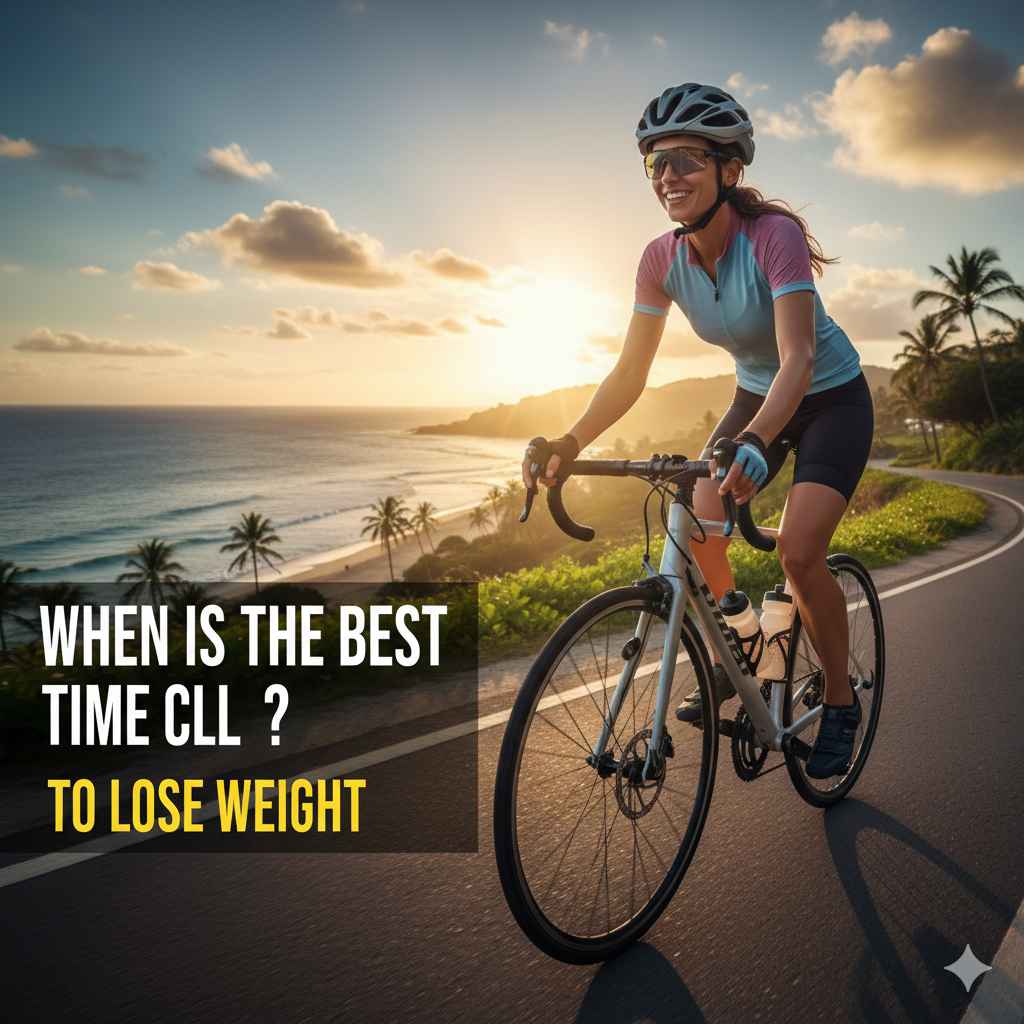
The best time to cycle for weight loss truly depends on your personal schedule, but morning rides burn fat efficiently before you eat, and evening rides help manage stress and sleep quality. Consistency is more important than the clock.
Have you ever looked at your busy schedule and wondered where on earth you’ll fit in a bike ride to finally shed those extra pounds? It’s a common hurdle! Finding the right time to cycle feels like one more puzzle piece clashing with work, family, and life responsibilities. You want results, but you also need a schedule that sticks without burning you out. The good news is that finding your perfect cycling window is easier than you think. We are going to break down the science and the practical tips so you can lock in a time that works best for your body and your life. Let’s get you rolling toward your fitness goals!
Understanding Your Body Clock: Circadian Rhythms and Exercise
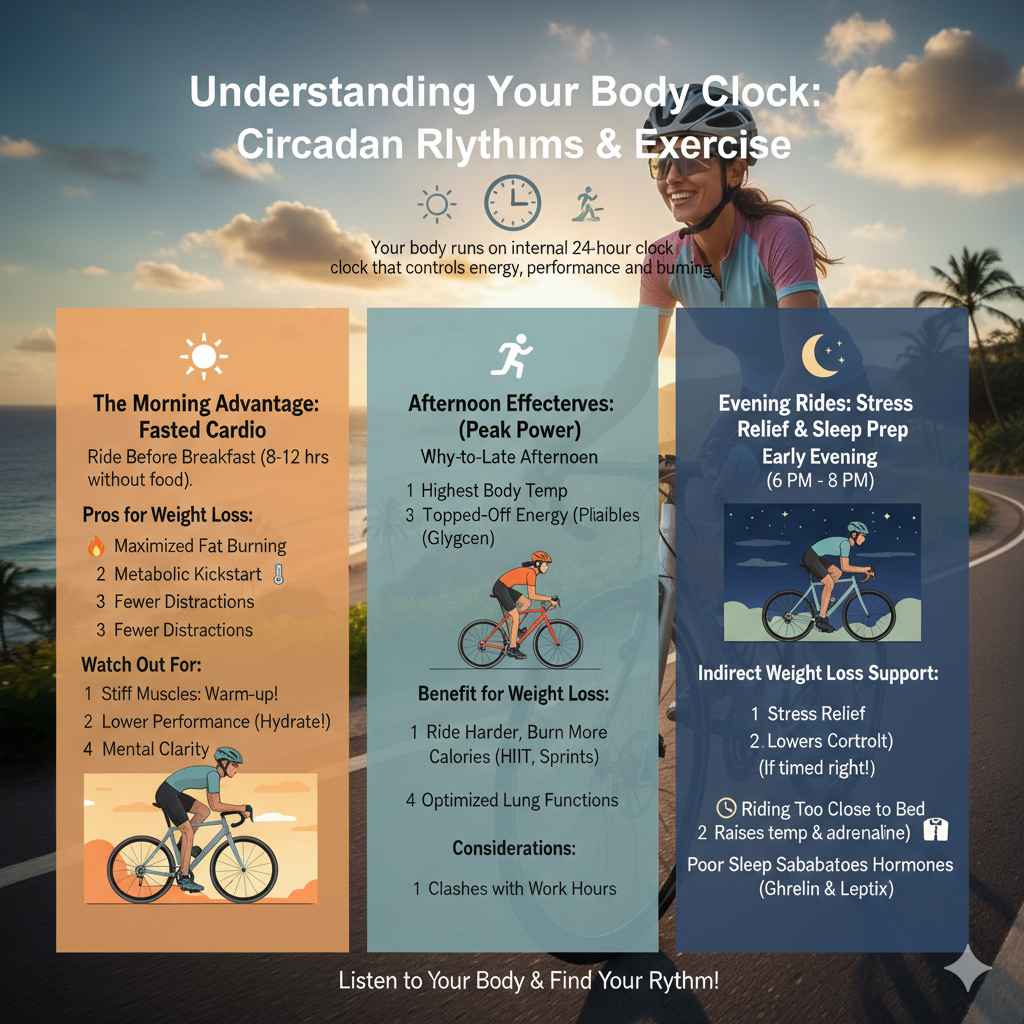
Your body runs on an internal 24-hour clock, which scientists call the circadian rhythm. This rhythm controls everything from when you feel sleepy to when your body burns fuel most effectively. Knowing this helps you figure out when your body is naturally geared up for performance and fat burning.
The Morning Advantage: Fasted Cardio
Many fitness experts champion morning workouts, and there’s a good reason why when it comes to weight loss. Riding early, especially before breakfast, falls into a category called “fasted cardio.”
When you first wake up, your body has usually gone 8 to 12 hours without significant calories. This means your stored fat reserves are easier to tap into for energy during your ride. Your body has to reach into those fat stores sooner rather than running on the immediate sugar (glycogen) you ate last night.
Pros of Morning Cycling for Weight Loss
- Maximized Fat Burning: Studies suggest that exercising in a fasted state can increase the percentage of calories burned coming directly from fat stores.
- Metabolic Kickstart: You fire up your metabolism right away, meaning you might burn slightly more calories throughout the whole day (this is called EPOC, or the afterburn effect).
- Fewer Distractions: The world is quieter, traffic is lighter, and family obligations haven’t yet started demanding your attention.
- Mental Clarity: Clearing your workout first thing sets a positive, powerful tone for the rest of your day.
Things to Watch Out For in the Morning
Morning muscles might feel a bit stiff. You need to be extra patient with your warm-up routine. Also, performance might be slightly lower until you’ve had some water or electrolytes.
Afternoon Effectiveness: Peak Power
If your mornings are chaotic, the mid-to-late afternoon (around 2 PM to 5 PM) is often the body’s natural powerhouse period.
Your body temperature is usually at its highest point in the late afternoon. Higher body temperature means muscles are more pliable, reducing injury risk. Your energy stores (glycogen) are topped off, and your lung function is often optimized. This is fantastic if your goal is to ride harder and burn more calories overall in a single session.
For weight loss, riding when you have maximum power means you can push a higher intensity (like hill climbs or sprints), which is excellent for building lean muscle and boosting your overall calorie expenditure for that workout. Keep in mind, this time slot often clashes with standard work hours, so finding a time slot here requires scheduling flexibility.
Evening Rides: Stress Relief and Sleep Prep
Cycling in the evening, say between 6 PM and 8 PM, offers benefits that indirectly support long-term weight loss: better sleep and stress management. Cortisol, the body’s main stress hormone, spikes when you are stressed and, quite often, encourages your body to store fat around the middle. A good bike ride acts as a fantastic stress reliever.
However, riding too close to bedtime (within an hour or two) can backfire. Exercise raises your core body temperature and releases stimulating hormones like adrenaline, which can make falling asleep difficult. Poor sleep directly sabotages weight loss efforts because it messes up the hormones that control hunger (ghrelin) and fullness (leptin).
The Greatest Factor: Consistency Over Clock Time
As a beginner, getting confused by when to ride can sometimes stop you from riding at all. Let’s simplify this: the best time to cycle for weight loss is the time you can commit to doing consistently, week after week.
If the only hour you have free is 9 PM, then 9 PM it is! A consistent 45-minute ride at 9 PM is infinitely better for weight loss than aiming for a perfect 6 AM ride that you only manage twice a month.
How to Build a Sustainable Cycling Habit
- Audit Your Schedule: For one week, track exactly when you use your time. Where are the obvious gaps?
- Match Energy Levels: Are you sluggish in the morning but energized after lunch? Schedule around that natural alertness.
- The “No Negotiation” Slot: Identify one time slot that you will treat like a critical doctor’s appointment. Don’t let other chores cancel it.
- Start Small: Don’t plan an hour ride if you can only manage 20 minutes. Twenty minutes today is a win! Build up slowly.
Cycling Intensity and Weight Loss: Making Your Time Count
Regardless of when you cycle, how you cycle dictates how much fat you burn. Weight loss hinges on creating a calorie deficit, and cycling is a fantastic tool for widening that gap.
Zone Training: Riding Smart, Not Just Hard
Many beginners think they need to pedal as fast as possible every single time. That leads to quick burnout. For sustainable weight loss, we need to focus on a mix of intensities.
Your heart rate zones tell you what energy system your body is primarily using. For maximizing pure fat oxidation (burning fat):
| Heart Rate Zone | Intensity Level | Primary Fuel Source | Best Use Case |
|---|---|---|---|
| Zone 2 (Approx. 60-70% Max HR) | Moderate, conversational pace | Fat | Long, steady rides (Endurance building) |
| Zone 3 (Approx. 70-80% Max HR) | Comfortably hard, can speak short sentences | Mix of Fat and Carbohydrates | Tempo rides; excellent for building fitness |
| Zone 4/5 (80%+ Max HR) | Very hard, breathless | Carbohydrates | Short bursts/intervals (Boosting calorie burn post-ride) |
To find your estimated Maximum Heart Rate (MHR), a simple, beginner-friendly estimate is to subtract your age from 220. For example, a 40-year-old might have an MHR of 180 beats per minute (bpm). Zone 2 would then be roughly 108–126 bpm.
The Power of Short, Intense Rides (HIIT)
If you are time-crunched, High-Intensity Interval Training (HIIT) on the bike during lunch or a short evening slot can be extremely effective. HIIT involves short bursts of maximal effort followed by periods of recovery.
This type of training causes a significant “afterburn” effect (EPOC), meaning your body continues to burn calories at an elevated rate long after you’ve stopped pedaling, even while improving your cardiovascular health. Research from institutions like the Mayo Clinic often points to HIIT as a highly time-efficient strategy for fat loss.
Pre and Post-Ride Fueling: Timing Your Nutrition
When you choose to ride is only half the battle; what you put into your body right before and after directly impacts how effectively you lose weight.
Cycling on an Empty Stomach (Fasted Rides)
If you choose a morning ride without eating first, you must be strategic:
- Hydration First: Drink a large glass of water immediately upon waking.
- Electrolytes: If the ride is under 60 minutes, water is usually fine. For longer rides, consider adding a pinch of sea salt or a low-calorie electrolyte tablet to your water bottle.
- Keep it Short: Fasted rides should ideally be kept under 75 minutes and at a moderate intensity (Zone 2). Pushing too hard while fasted leads to muscle loss, not fat loss, and excessive fatigue.
Fueling for Longer or Harder Rides
If you are riding for over 90 minutes, or if you plan a hard afternoon session, you need fuel in the tank. Waiting until after the ride to eat can sometimes lead to overeating later because you feel deprived.
Aim for a small, easily digestible snack about 45–60 minutes before your ride. This should be mostly carbohydrates for quick energy, with very little fat or fiber.
Ideal Pre-Ride Snacks (45 Minutes Before)
- Half a banana.
- Small handful of dates or dried apricots.
- Toast with a thin layer of jam.
The Crucial Post-Ride Window
The 30-to-60-minute window immediately following your ride is when your muscles are most receptive to nutrients. This is where you “recharge” your muscle glycogen stores and start the muscle repair process. While this is important for fitness, it’s also important for weight control.
If you skip this, your body stays in a stressed state, and over the long run, this can lead to elevated cortisol and cravings.
Your post-ride meal should prioritize protein (for muscle repair) mixed with some complex carbohydrates (to restore fuel).
Ideal Post-Ride Combination
- Greek yogurt with berries.
- Protein shake mixed with milk or water.
- Chicken or tuna on a small piece of whole-grain bread.
Seasonal Considerations: When Does the Weather Change Things?
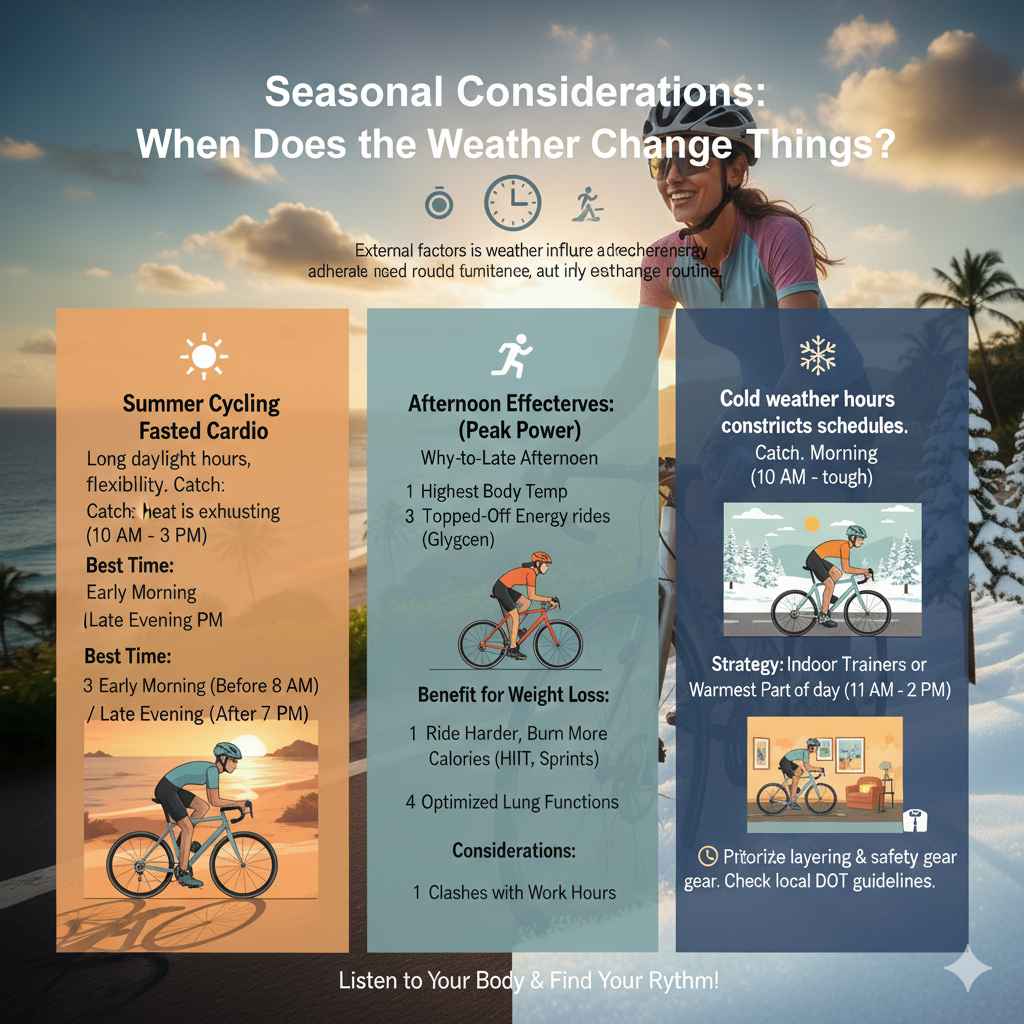
While the internal clock is key, external factors like weather greatly influence adherence—how often you actually stick to your plan.
Summer Cycling
Summer offers long daylight hours, making evening rides viable and pleasant. You have more flexibility.
The Catch: Heat is exhausting and dangerous. Cycling during peak heat (10 AM to 3 PM) can lead to dehydration and significantly lower performance. In summer, the best time shifts to early morning (before 8 AM) or late evening (after 7 PM).
Winter Cycling
Cold weather often constricts our schedules. Commuting by bike becomes less appealing, and very cold morning rides are tough to motivate for.
The Strategy: Focus on indoor trainers if weather prohibits safe outdoor riding. If you ride outside, aim for the warmest part of the day—usually midday, between 11 AM and 2 PM—when temperatures peak. Always prioritize layering and safety gear, which you can learn more about from resources focusing on safe road use, such as those provided by transportation safety boards (please check your local Department of Transportation guidelines for specifics on winter riding safety).
Finding Your “Best Time” Through Experimentation
Remember, there is no single universal “best time.” There is only your best time. Think of this process like tuning an engine—you listen to the sound, adjust the carburetor, and see how it runs.
The Two-Week Test Strategy
Try dedicating two full weeks to one time slot, then test another. Keep a simple journal (even using notes on your phone) to track these things:
| Column 1: Date | Column 2: Time Slot Tried | Column 3: Energy Level (1-10) | Column 4: Ride Enjoyment (1-10) |
|---|---|---|---|
| Mon, Oct 17 | 6:30 AM | 5 | 6 |
| Wed, Oct 19 | 5:30 PM | 8 | 9 |
By comparing your energy and enjoyment scores, you can objectively see which slot leads to better adherence. If you dread the 6:30 AM alarm but genuinely look forward to the 5:30 PM ride, that afternoon slot is your winner, regardless of what a magazine says about morning workouts.
Frequently Asked Questions (FAQ) for Beginner Cyclists
Q1: If I only have 30 minutes, am I wasting my time trying to use cycling for weight loss?
A: Absolutely not! Thirty minutes of focused cycling, especially if it includes some intensity (like one or two short bursts of fast pedaling), is fantastic for burning calories and improving fitness. Consistency beats long, infrequent rides every time.
Q2: Should I drink coffee before my morning ride for weight loss?
A: A cup of black coffee before a fasted morning ride can actually boost fat oxidation slightly and provide a gentle energy lift. Just avoid sugary additives, as that negates the fasted advantage.
Q3: Can cycling at night speed up weight loss more than during the day?
A: The time of day itself has a small effect. What speeds up weight loss is the total calorie deficit you create. Night rides are helpful if they help you relax and sleep better, as good sleep regulates hunger hormones.
Q4: Is it better to cycle immediately after eating for weight loss?
A: No, it’s generally not ideal. Exercising right after a large meal can lead to cramps, sluggishness, and means your body uses easily accessible food calories first, rather than stored fat. Wait at least 1.5 to 2 hours after a substantial meal before a hard ride.
Q5: How much weight can I realistically expect to lose cycling 3 times a week?
A: Weight loss is heavily reliant on diet. If you cycle moderately for 45 minutes three times a week, combined with watching your food portions, losing 1 to 2 pounds per week is a reachable and healthy goal. Cycling adds significant calorie expenditure!
Q6: What if I feel too weak to exercise in the morning but have no energy left in the evening?
A: This points to needing better overall nutrition or sleep. Try having a very light, simple carbohydrate snack (like a few crackers or half a piece of fruit) 30 minutes before your preferred time slot. This small boost can make a huge difference in perceived effort.
Q7: Do I need special gear to start cycling for fitness?
A: For starting out, no. You need a bike that fits well, a properly inflated tire, a helmet, and water. Comfort is key. As you get more consistent, padded shorts are a worthwhile investment for longer rides.
Conclusion: Your Best Time Is Now
Figuring out the best time to cycle to lose weight feels like a big decision, but we’ve seen that the ‘perfect’ time is a blend of physiology and practicality. For pure fat-burning efficiency, the early morning fasted ride has a slight edge. For peak performance and overall calorie burn, the late afternoon might be your sweet spot.
However, the most powerful moment for you—the moment that truly drives sustainable weight loss—is the moment you actually get on the bike and pedal consistently. Don’t chase an arbitrary ideal that makes you miserable. Listen to your body’s natural rhythm, honor the schedule you can actually keep, fuel appropriately for the timing you choose, and you will build momentum. Start small, ride often, and watch the results follow, no matter what time the clock says!