
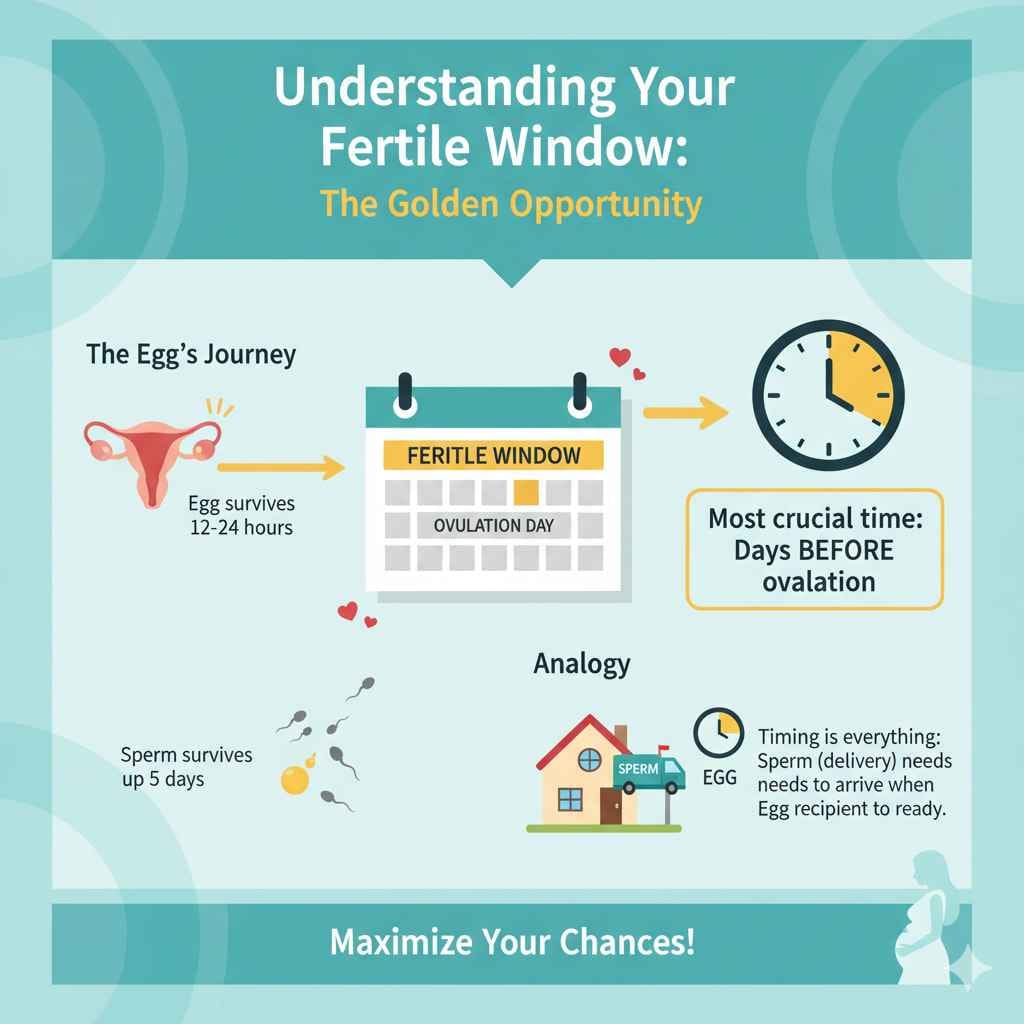
The best time in your cycle to get pregnant is during the “fertile window,” which includes the five days leading up to ovulation and the day of ovulation itself. Knowing your cycle length and tracking these key changes helps you pinpoint this short window for the highest chances of conception.
Figuring out the best time to try to conceive can feel confusing, like trying to catch a specific, fast-moving car on the highway. Many people feel unsure if they are timing things just right. The good news is that understanding the simple mechanics of your body’s monthly cycle takes the guesswork out of the process. We are going to walk through exactly how your body works and give you simple steps to find your most fertile days. You can absolutely gain the confidence to track this effectively!
Understanding Your Fertile Window: The Golden Opportunity
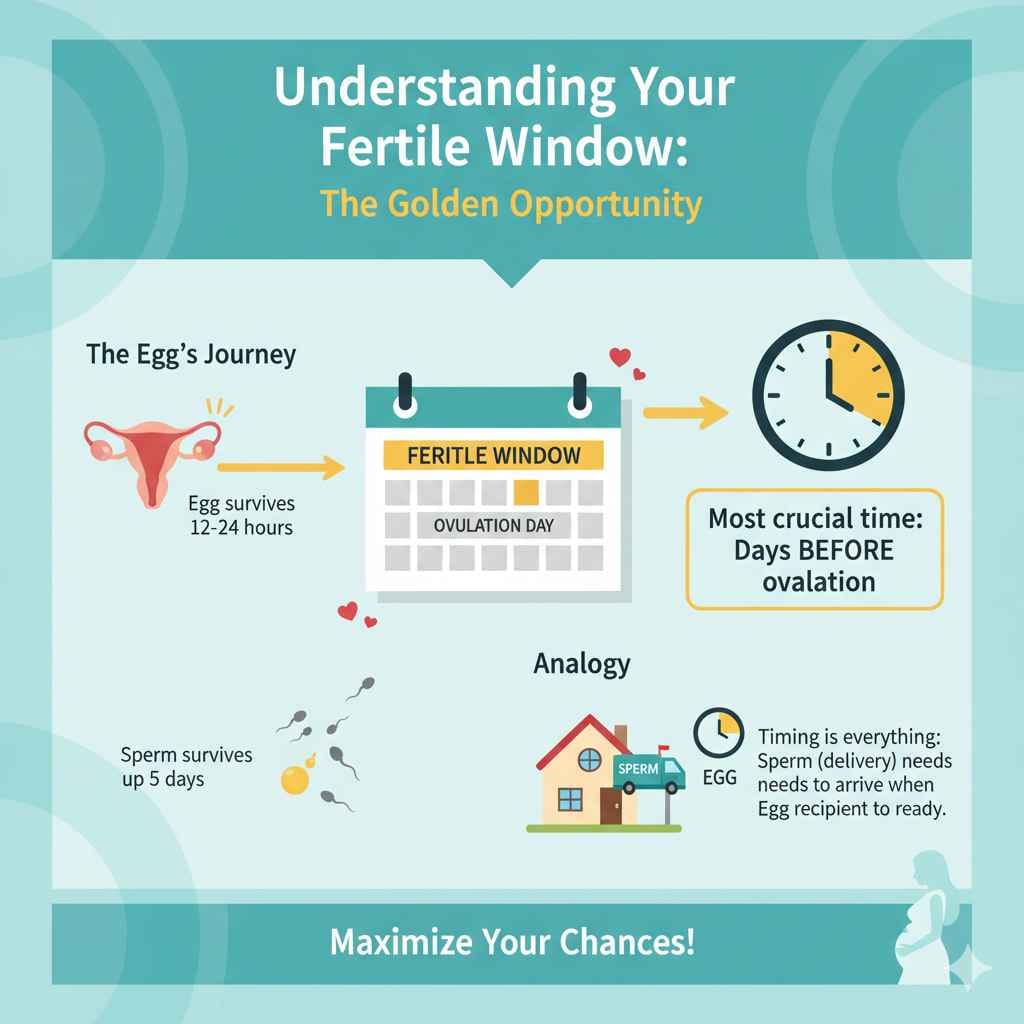
To get pregnant, a sperm needs to meet an egg. But this meeting can only happen during a very specific time frame each month, which we call the fertile window. Think of it like scheduling a critical delivery; you need the package (sperm) and the recipient (egg) to be ready at the exact same moment.
The egg only survives for a short time after it’s released—usually 12 to 24 hours. Sperm, however, can hang around waiting for up to five days inside the reproductive tract. Because of this, the days before the egg is released are actually the most crucial days for timing intercourse.
The Basics: What is Ovulation?
Ovulation is the main event. It is the moment when your ovary releases a mature egg. This is what makes conception possible for that cycle.
The Menstrual Cycle Explained Simply
Your menstrual cycle generally runs from the first day of your period (Day 1) until the first day of your next period. While many people think a cycle is 28 days long, the reality is that cycles vary widely—from 21 to 35 days is usually considered normal. The part that changes the most is the first half, leading up to ovulation.
- Follicular Phase: This phase starts on Day 1 (your period) and lasts until ovulation. Hormones are building up to mature an egg.
- Ovulation: The release of the egg. This usually happens around the middle of a very regular cycle.
- Luteal Phase: This phase starts right after ovulation and lasts until your next period begins. It is usually very steady, lasting about 14 days, regardless of how long your overall cycle is.
Pinpointing Your Fertile Window
If you want the best chance to conceive, you need to focus on the days when both sperm and egg can meet. This period is typically six days long:
- The five days leading up to ovulation.
- The day of ovulation itself.
If you have intercourse during these six days, your chances increase greatly. Having sex in the day or two right before ovulation is often considered the absolute peak time, as the sperm is already waiting when the egg drops.
| Timing Relative to Ovulation | Chance of Pregnancy | Why? |
|---|---|---|
| 5 Days Before Ovulation | Low, but present | Sperm can survive this long. |
| 1–2 Days Before Ovulation | Highest Chance (Peak Fertility) | Sperm is waiting for the egg to release. |
| Day of Ovulation | High | Egg is present for about 12–24 hours. |
| 1+ Day After Ovulation | Effectively Zero | Egg has expired. |
Three Proven Ways to Track Your Most Fertile Days
You don’t need complicated machinery to locate your fertile window. We use simple, reliable clues your body gives you every month. Combining these methods gives you the most accurate reading, just like checking your oil level and tire pressure before a long road trip gives you confidence.
Method 1: Calendar and Cycle Tracking (The Quick Estimate)
If your cycles are very regular (like clockwork every 28 days), you can use math to get a good starting guess. This is the easiest method, but it’s less accurate if your cycle length varies.
How to Calculate Your Estimated Ovulation Day:
- Track the length of your last few cycles to find your average length (e.g., 30 days).
- Subtract 14 days from that average. This estimates when ovulation might happen. (Example: 30 – 14 = Day 16 is the estimated ovulation day).
- Your fertile window will be the five days leading up to that estimated day, plus the day itself (Days 11 through 16 in the example).
Important Note: This is just an estimate. The only constant in the menstrual cycle for most women is the luteal phase (14 days after ovulation). If you have a 35-day cycle, you likely ovulated around Day 21, not Day 14!
Method 2: Checking Cervical Mucus (The Body’s Natural Signal)
This might sound a bit strange at first, but it is one of the most reliable natural signs! As your body prepares for ovulation, hormones cause changes in the fluids in your vagina. You are looking for a specific texture change.
What to Look For: The Progression
When you are not fertile, the mucus is sticky, creamy, or you might notice none at all. As you approach ovulation, two major things happen:
- Day 1: Pre-Fertile Tracking: Mucus may be creamy or dry.
- Day 2: Increasing Fertility: Mucus becomes cloudy, sticky, or lotion-like. Sperm survival is getting better.
- Peak Fertility: Cervical fluid becomes clear, slippery, and stretchy. This is often described as looking and feeling like raw egg whites.
When you see that raw egg white cervical mucus (EWCM), you know ovulation is very close—often within 24 hours. This is your absolute green light!
Method 3: Using Ovulation Predictor Kits (OPKs) (The Scientific Check)
If you want a very clear, scientific signal, OPKs are highly recommended. These are the same types of tests you might use for a home pregnancy test, but they look for different hormones.
How OPKs Work:
OPKs test your urine for a sudden surge in Luteinizing Hormone (LH). LH is the hormone that triggers the ovary to release the egg. When the test turns positive, it means ovulation is about to happen, usually within 12 to 36 hours.
Step-by-Step OPK Use:
- Start testing a few days before you think you might ovulate (maybe around Day 10 if you have a 28-day cycle).
- Don’t use your very first urine of the morning, as LH can build up overnight. Use urine from mid-morning to early afternoon.
- Follow the instructions exactly. A positive result (the test line is as dark or darker than the control line) signals maximum fertility.
- Once you get a positive result, you know the fertile window is open. Aim for intercourse that day and the day after. (Find reliable resources on how OPKs work from reproductive health organizations, like those supported by the Centers for Disease Control and Prevention (.gov)).
Method 4: Basal Body Temperature (BBT) Tracking (Confirming Ovulation)
This method confirms ovulation after it has happened. It’s a great tool for confirming patterns over several months, but it doesn’t predict the fertile window in real-time like mucus tracking or OPKs do.
What is BBT?
Basal Body Temperature (BBT) is your body temperature when you are completely at rest. After ovulation, the hormone progesterone kicks in, causing your resting temperature to rise slightly (usually by 0.5 to 1.0 degree Fahrenheit) and stay elevated until your next period starts.
Tips for Accurate BBT Tracking:
- You must use a special basal thermometer because it measures tiny fluctuations (tenths of a degree).
- Take your temperature at the exact same time every single morning, before you get out of bed, speak, or drink anything.
- Look for a sustained temperature rise over three consecutive days. This rise confirms that ovulation has passed.
Combining Methods for Confidence: The Hybrid Approach
Just like you wouldn’t rely on just one dashboard light to tell you your car is safe for a trip, combining tracking methods makes your chance of successfully timing conception much higher. We want the clear signal of an OPK backed up by the texture change of cervical mucus.
This table shows how the methods overlap to confirm your fertile window:
</th
| Tracking Method | Signal Given | What This Means For Timing |
|---|---|---|
| Cervical Mucus Score | Raw Egg White Appearance | Peak fertility. Time to have sex now! |
| Ovulation Predictor Kit (OPK) | Positive LH Surge | Ovulation likely in next 12–36 hours. Highly fertile. |
| Basal Body Temperature (BBT) | Sustained Temperature Rise | Confirms ovulation already happened. Past the fertile window for this cycle. |
When to Start Trying Relative to Your Cycle Length
If you have a standard 28-day cycle, here is a typical guide:
- Days 1–5: Period. Focus on health, but intercourse isn’t timed for conception.
- Days 6–9: Mucus may start changing. Start monitoring closely.
- Days 10–14: This is generally the peak window. If you see EWCM or a positive OPK, have intercourse daily or every other day.
- Days 15–18: Continued high chance if ovulation was late.
- Days 19 onwards: If your temperature rises or you haven’t ovulated, the window is likely closed for this cycle.
If your cycle is shorter (say, 24 days), you will ovulate earlier, likely around Day 10. If your cycle is longer (say, 35 days), you will ovulate later, around Day 21. Always lean on your body’s physical signals (Mucus/OPK) rather than just counting from Day 1 if your cycles are irregular.
Simple Tips for Maximizing Your Chances
Timing the fertile window is the most important step, but a few other simple practices can help ensure everything runs smoothly when you are trying to conceive. Think of this as basic preventive maintenance for your reproductive system.
1. Consistency Over Intensity
It is a common myth that you need to save up sperm or only have intercourse on the one perfect day. Actually, having intercourse every day or every other day during the 6-day fertile window maintains a good supply of healthy, mobile sperm ready and waiting in the fallopian tubes.
2. Focus on Overall Health
Just as you would use high-quality fuel in a performance engine, giving your body the right nutrients helps everything work efficiently. Make sure you are taking a prenatal vitamin containing folic acid. Good nutrition supports healthy egg development and sperm health for your partner.
3. Keep Things Relaxed
Stress can sometimes interfere with the natural hormone cycle. Doing relaxation techniques or simply focusing on enjoying time together, rather than treating intercourse like a chore with a strict deadline, can make the timing process much more pleasant.
4. Understanding Sperm Health
The health of the sperm is just as important as the timing of the egg. Sperm generally live about five days, but their quality decreases the longer they wait. This is why waiting until the very last day of fertility is less effective than having intercourse in the days leading up to it.
For men, factors like excessive heat can temporarily affect sperm count. When you are timing intercourse actively, keeping things cool down there (avoiding long hot baths or very tight underwear for the male partner) is a simple, proactive step.
When to Seek Extra Guidance
Most healthy couples conceive within the first year of actively trying. If you’ve been tracking carefully and feel you are timing everything correctly, it’s good to know when it’s wise to talk with a healthcare provider.
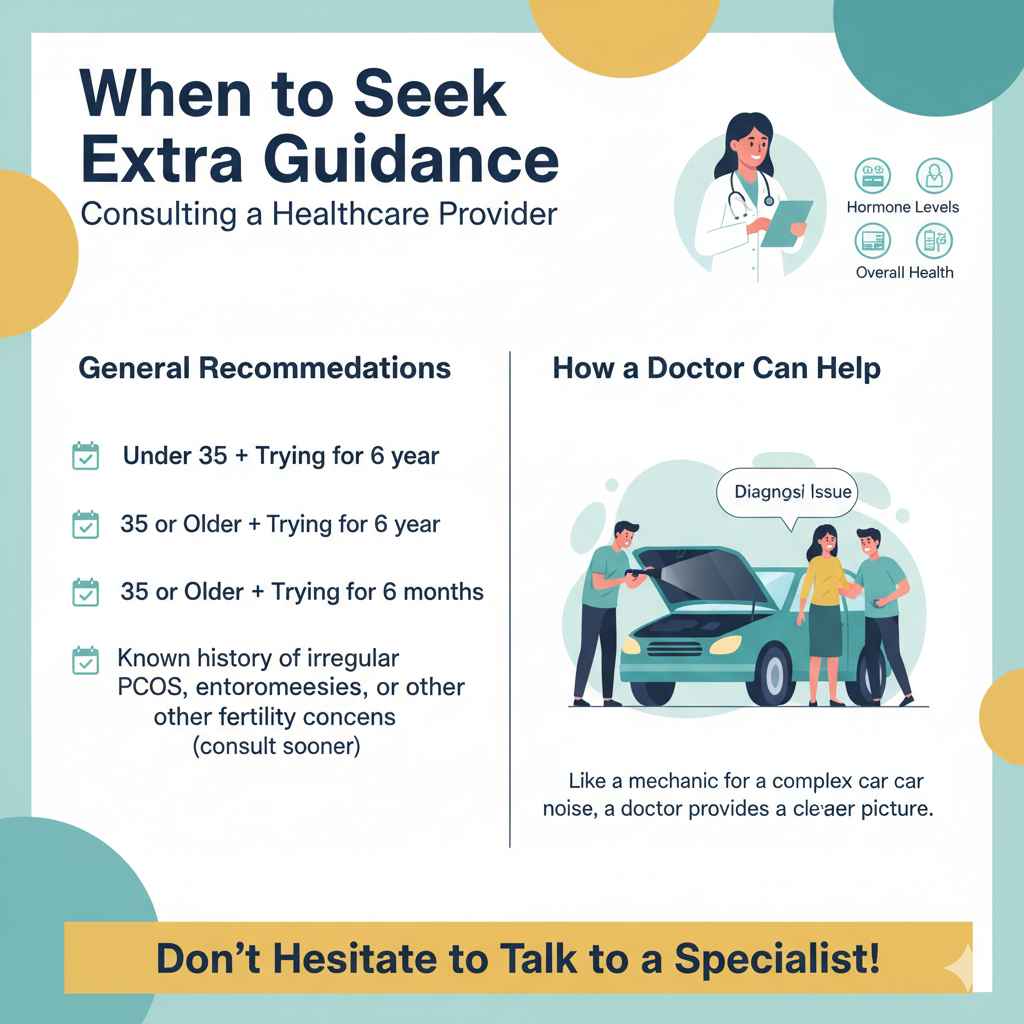
It is generally recommended to consult a doctor or a fertility specialist if:
- You are under the age of 35 and have been trying unsuccessfully for one full year.
- You are 35 or older and have been trying unsuccessfully for six months.
- You have known history of irregular periods, PCOS, endometriosis, or other conditions that affect fertility (in which case, sooner is better).
A doctor can examine your cycle tracking, hormone levels, and overall health to provide a clearer picture, much like a professional mechanic can diagnose a complex noise your car is making that you can’t quiet down yourself.
FAQ Corner: Quick Answers for Beginners
Q1: How long can sperm survive inside the body waiting for an egg?
Sperm can survive for up to five days. This fact is why the five days leading up to ovulation are considered part of the fertile window, even though the egg only lasts about one day.
Q2: If my period is late, does that mean I ovulated late?
Yes, almost always. The time between ovulation and your next period (the luteal phase) is relatively fixed, usually about 14 days. If your period is late, it usually means the egg released later than usual in the first half of the cycle (the follicular phase).
Q3: Do I need to have sex every day during the fertile window?
No, you don’t have to, but it helps. Having intercourse every one or two days during the fertile window (the 6 days leading up to and including ovulation) is excellent for maintaining a healthy supply of high-quality sperm.
Q4: What is the most reliable way to track ovulation at home?
Combining methods provides the highest reliability. However, Ovulation Predictor Kits (OPKs) that test for the LH surge are often considered the most precise predictors that tell you ovulation is imminent (within 12-36 hours).
Q5: Can stress really stop me from ovulating?
Significant, prolonged stress can sometimes delay or temporarily stop ovulation by affecting the delicate balance of hormones that signal the ovaries. Keeping stress manageable supports a healthier overall cycle.
Q6: Should I use special lubricants when trying to conceive?
Some standard lubricants can actually harm sperm motility (their ability to swim). It is best to use “fertility-friendly” or “sperm-safe” lubricants, or no lubricant at all, if you notice adequate natural cervical mucus.
Q7: If I have a 30-day cycle, when should I start testing with an OPK?
For a 30-day cycle, you would typically start testing around Day 10 or 11. Since ovulation usually happens about 16 days before your next period (30 – 16 = Day 14), testing a few days early ensures you catch the LH surge.
Conclusion:
Knowing the best time in your cycle to get pregnant comes down to understanding and identifying your fertile window—the five days before ovulation and the day ovulation occurs. This short window is when conception is biologically possible, and timing intercourse during it dramatically increases your chances of success.
Rather than guessing, you can rely on clear signals your body provides. Tracking cervical mucus, using ovulation predictor kits, and understanding your cycle length allow you to move from uncertainty to confidence. When these methods are combined, they create a reliable, repeatable system for pinpointing your most fertile days—even if your cycle isn’t perfectly regular.
Equally important is remembering that conception is not just about one “perfect” day. Consistent intercourse throughout the fertile window, good overall health, and stress management all play supportive roles in helping sperm and egg meet at the right time.
In short, pregnancy timing isn’t luck—it’s informed awareness. By learning how your cycle works and responding to its natural cues, you give yourself the best possible chance to conceive while staying calm, empowered, and in control of the process.