
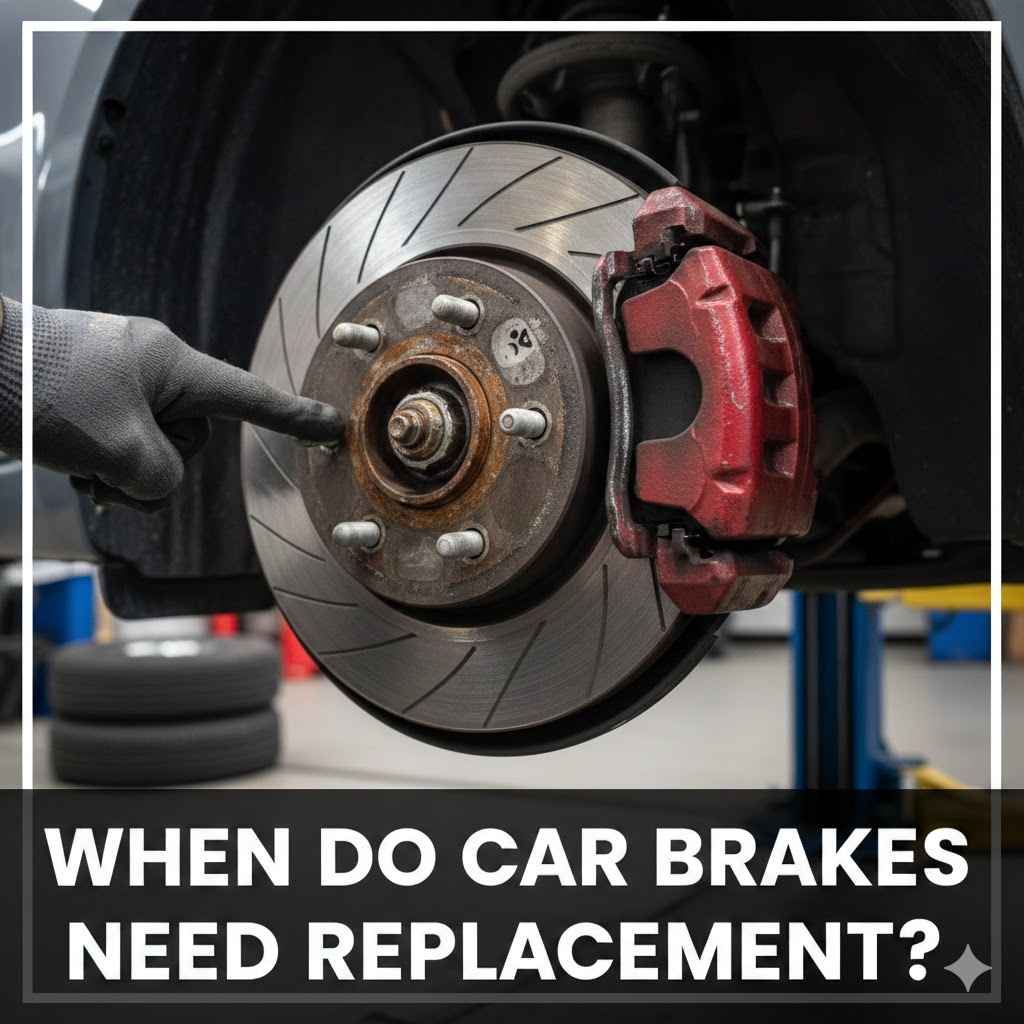
It’s a question many car owners wonder about. Knowing When Do Car Brakes Need to Be Replaced? can feel tricky, especially if you’re new to car care. You want to keep your car safe, but figuring out brake signs might seem like a puzzle.
This guide will make it super simple. We’ll walk through it step by step so you know exactly what to look for and when to get them fixed. Get ready to understand your brakes like never before.
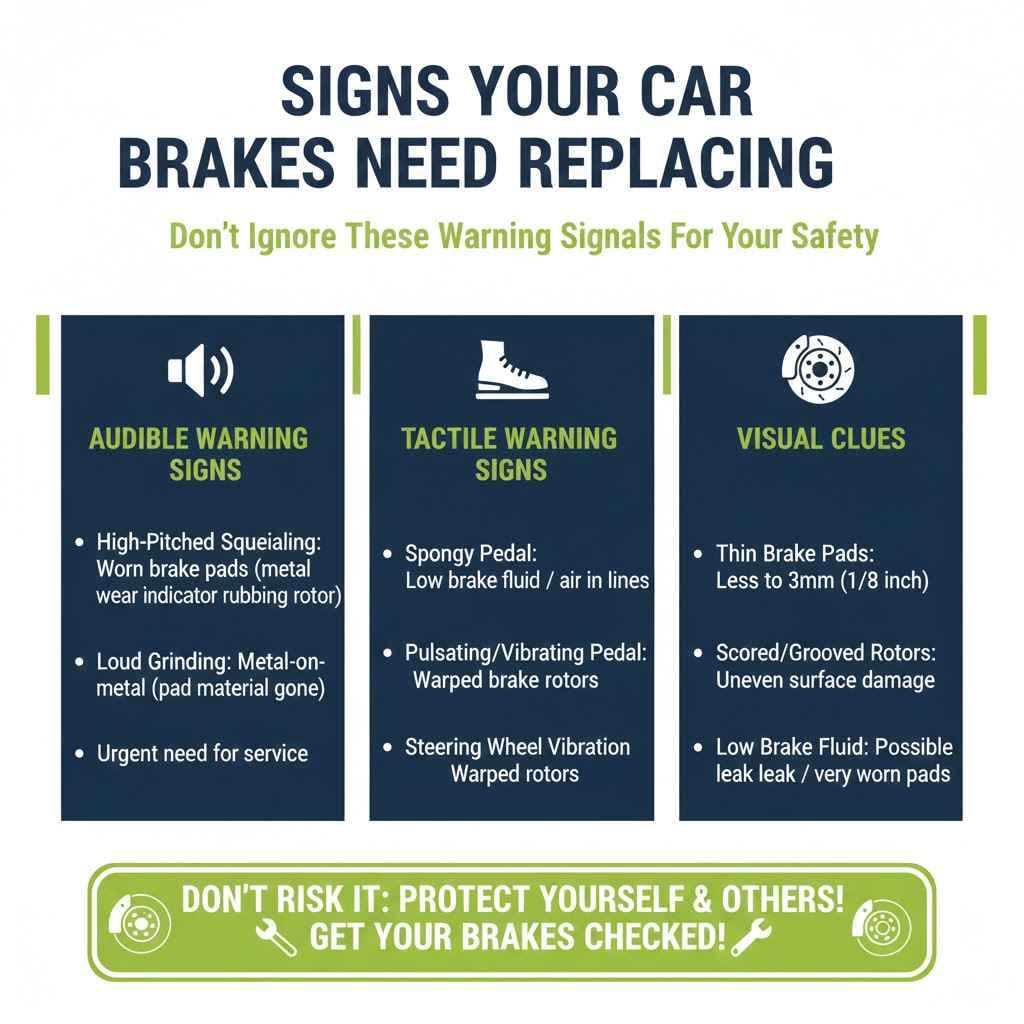
Signs Your Car Brakes Need Replacing
Your car’s brakes are vital for safety. They are the primary system that stops your vehicle. Knowing when they’re wearing out is key to preventing accidents.
There are several tell-tale signs that indicate it’s time for a brake inspection or replacement. Ignoring these signs can lead to more serious damage and potentially dangerous situations. Paying attention to your car’s signals will help you stay safe on the road.
Audible Warning Signs
One of the first things you might notice is a sound. Many brake pads have a small metal indicator built into them. This is called a wear indicator.
When the brake pad material wears down to a certain point, this metal piece starts to rub against the rotor. This creates a high-pitched squealing sound. This noise is often constant when you apply the brakes, but it can sometimes be heard even when you’re not braking.
This squealing is your car’s way of telling you that your brake pads are getting thin. It’s designed to be annoying so you pay attention. The sooner you address this sound, the better.
Early replacement can prevent damage to other brake components. If you hear this, it’s a strong signal to schedule a check-up.
Another sound to listen for is a grinding noise. This is much more serious than a squeal. Grinding usually means that the brake pad material is completely gone.
The metal backing plate of the brake pad is now rubbing directly against the metal brake rotor. This can cause significant damage to the rotor, making the repair more expensive. It also means your braking performance is severely compromised.
A grinding sound indicates an urgent need for service.
Tactile Warning Signs
Beyond sounds, you might feel changes in your brake pedal. Sometimes, when the brake fluid is low or there’s air in the brake lines, the pedal can feel spongy. This means you have to press the pedal down further than usual to get the same stopping power.
It feels less firm and more like pushing on a soft cushion. This is often related to the hydraulic system of your brakes.
Another common tactile warning is a pulsating brake pedal. When you press the brake pedal, you might feel a rhythmic throbbing or vibration coming up through your foot. This pulsation is usually caused by warped brake rotors.
Rotors can warp due to excessive heat. When they become uneven, they don’t make consistent contact with the brake pads, leading to that pulsating sensation. This reduces stopping effectiveness and can be alarming.
Sometimes, the steering wheel might also vibrate when you brake. This is another symptom of warped rotors. The vibration transfers through the braking system up to the steering wheel.
It’s a clear sign that the brake rotors are not smooth and need attention. Feeling these changes is your car’s way of communicating its needs.
Visual Clues
You can also check your brakes visually. If you can see through your car’s wheels, you might be able to inspect the brake pads. Most brake pads have a minimum thickness requirement.
Generally, if your brake pads are worn down to about 3 millimeters (or roughly 1/8th of an inch), they need to be replaced soon. You can often see the pad material sandwiched between the caliper and the rotor.
Look for the metal backing plate of the brake pad. If you see this metal part touching the rotor, it means the pad material is gone and you are driving on metal-on-metal. This is a dangerous situation.
Also, check the brake rotors themselves. If they appear discolored, scored, or have deep grooves, they might be damaged. Uneven surfaces on the rotor are a sign of warping or damage.
Brake fluid is another visual indicator. Check the brake fluid reservoir under the hood. It usually has markings for minimum and maximum fill levels.
If the fluid level is consistently low, it could mean there’s a leak in the brake system or that your brake pads are very worn, causing the caliper piston to extend further, thus lowering the fluid level. Check for any leaks around the wheels or under the car.
Factors Affecting Brake Life
Several things influence how long your brakes last. These include how you drive, the type of brakes you have, and the driving conditions you usually face. Understanding these factors can help you estimate when you might need new brakes.
Driving Habits
Your driving style plays a big role. If you tend to brake hard and often, your brake pads and rotors will wear out faster. This is common in city driving where you stop and start frequently.
Aggressive drivers who accelerate quickly and then slam on the brakes will see their brakes wear down more rapidly than someone who drives smoothly.
Smooth driving involves anticipating stops and allowing your car to slow down gradually. This gentle approach reduces the friction and heat generated by braking. It also puts less stress on the brake components.
Many driving experts suggest practicing defensive driving. This means being aware of your surroundings and planning ahead. This not only saves fuel but also extends the life of your brakes.
Driving Conditions
The environment where you drive also matters. Driving in hilly or mountainous areas puts more strain on your brakes. You have to brake more often and often for longer periods to control your speed going downhill.
This constant use generates a lot of heat, which can cause brake components to wear out faster and can lead to rotor warping.
Extreme weather conditions can also affect brake life. Driving in very wet or muddy conditions can cause rust to form on the rotors. This rust can cause noise and uneven braking.
In snowy or icy conditions, drivers often use their brakes less and rely more on engine braking or careful steering. However, the salt used to de-ice roads can accelerate corrosion on brake parts.
Type of Brake Pads
Brake pads come in different materials. The most common types are organic, semi-metallic, and ceramic. Each has its pros and cons regarding performance, noise, and lifespan.
- Organic brake pads are made from a mix of organic materials like glass, rubber, and Kevlar. They are generally quiet and easy on the rotors. However, they tend to wear out faster than other types and may not perform as well in high-heat situations. They are usually the least expensive option.
- Semi-metallic brake pads contain a significant amount of metal fibers, such as steel wool or copper. They offer good stopping power and are durable. However, they can be noisier than organic pads and tend to wear down rotors more quickly. They also produce more brake dust.
- Ceramic brake pads are made from ceramic fibers mixed with fillers and bonding agents. They are known for being quiet, producing less dust, and lasting longer. They also tend to be gentler on rotors. Ceramic pads generally offer consistent performance across a wide range of temperatures but can be more expensive than other types.
The material of your brake pads directly impacts how often they will need to be replaced. If you have performance driving habits or often carry heavy loads, a more durable pad like ceramic or high-quality semi-metallic might be a better choice, even if it costs more upfront. It could save you money in the long run through fewer replacements.
When Do Car Brakes Need to Be Replaced Based on Mileage
While there’s no exact mileage for every car, there are general guidelines. Most car manufacturers suggest checking your brakes regularly. Based on averages, you can expect to replace brake pads every 25,000 to 65,000 miles.
This is a broad range because of all the factors we’ve discussed.
General Mileage Estimates
For typical driving, where you’re not constantly braking hard, you might get around 40,000 to 60,000 miles out of your front brake pads. Rear brake pads often last a bit longer, sometimes up to 70,000 miles or more. This is because many cars have a brake bias that puts more stopping power on the front wheels.
However, if you drive in stop-and-go traffic, live in a hilly area, or have a heavier vehicle, you might need to replace your brake pads much sooner. Some drivers might find themselves needing new pads as early as 20,000 miles. It’s always best to check them more frequently if you fall into these categories.
Brake rotors, on the other hand, are usually designed to last longer than pads. Typically, you might get two sets of brake pads out of a single set of rotors. So, if your rotors are reaching 80,000 to 100,000 miles, they are likely due for
Checking Brake Pad Thickness
The most accurate way to know when to replace brake pads is by checking their thickness. As mentioned before, a common rule of thumb is to replace them when they reach about 3 millimeters (1/8 inch) of material remaining. Some mechanics prefer to replace them sooner, around 4 millimeters, to ensure good braking performance.
To check this yourself, you might need to remove the wheel. Look at the brake caliper, which is the part that squeezes the brake pads onto the rotor. You’ll see the brake pad material sandwiched between the caliper and the rotor.
Use a ruler or a coin to estimate the thickness of the pad material. If it’s very thin, it’s time for a change. Remember, the metal backing plate should never be in contact with the rotor.
Here’s a simple guide to estimating pad thickness:
- A new brake pad is typically about 10-12 millimeters thick.
- When the pad wears down to about 4-5 millimeters, it’s a good time to start thinking about replacement.
- At 3 millimeters, replacement is usually necessary.
- If you see the metal backing plate touching the rotor, immediate replacement is required.
A professional mechanic can easily measure the pad thickness for you during a routine inspection. They have specialized tools to get precise measurements and can also assess the condition of your rotors.
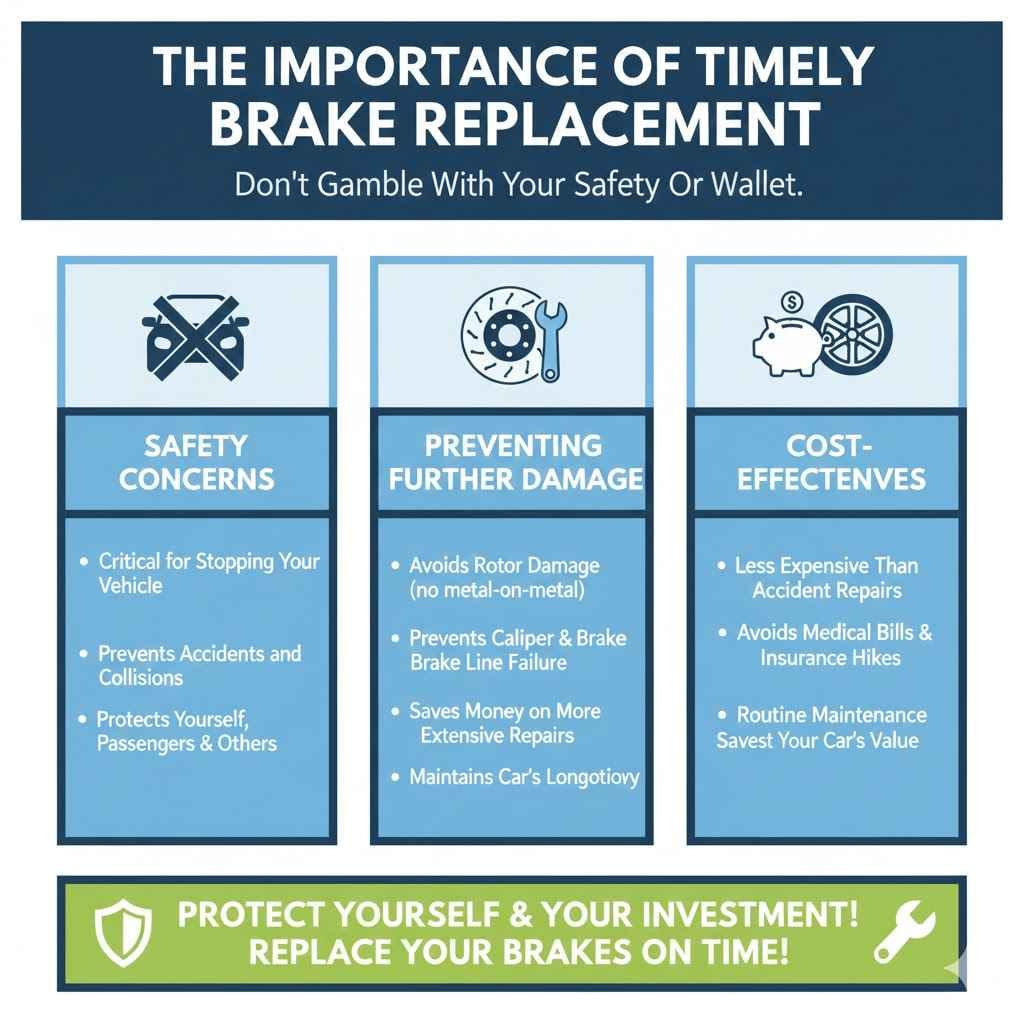
The Importance of Timely Brake Replacement
Replacing your brakes when needed is not just about convenience; it’s about safety. Worn-out brakes can lead to serious accidents and costly repairs.
Safety Concerns
Brakes are your car’s most critical safety system. When they are not in good working order, your ability to stop your vehicle is compromised. This is especially dangerous in emergency situations.
If your brakes fail or are weakened, you might not be able to avoid a collision. This puts yourself, your passengers, and others on the road at risk.
Worn brakes can also increase your stopping distance. This means it takes longer and further for your car to come to a complete stop. In heavy traffic or at higher speeds, this extra distance can be the difference between a safe stop and an accident.
Always prioritize brake maintenance to ensure you can stop safely when needed.
Preventing Further Damage
Ignoring worn brake pads can lead to much more expensive repairs. As we discussed, when brake pads wear down completely, the metal backing plate grinds against the brake rotor. This can severely damage the rotor, often requiring it to be replaced instead of just resurfaced.
Rotors are more expensive than brake pads.
Furthermore, driving on bad brakes can put extra stress on other parts of the braking system, like the calipers and brake lines. This can cause them to fail prematurely. Addressing brake issues early, when you first notice signs like squealing or a soft pedal, can save you a lot of money and prevent more extensive damage down the line.
It’s an investment in your car’s longevity and your safety.
Cost-Effectiveness
While the cost of new brake pads and rotors can seem high, it’s far less expensive than dealing with the aftermath of a car accident. Replacing worn brakes is a routine maintenance item that prevents bigger problems. Think of it as preventative medicine for your car.
A complete brake job, including pads and rotors, can cost anywhere from $300 to $800 or more, depending on your car and the parts used. However, an accident can cost thousands in repairs, medical bills, and insurance increases. Regular checks and timely replacements are the most cost-effective way to maintain your vehicle’s safety and value.
Frequently Asked Questions
Question: How often should I have my brakes inspected?
Answer: It’s a good idea to have your brakes inspected at least once a year, or every 10,000 to 12,000 miles. Many mechanics will check them as part of your regular oil change service.
Question: Can I replace my brake pads myself?
Answer: Yes, if you have some mechanical knowledge and the right tools, you can
Question: How do I know if my brake fluid needs to be changed?
Answer: Brake fluid absorbs moisture over time, which can reduce its effectiveness and cause corrosion. Most manufacturers recommend changing brake fluid every two to three years or every 30,000 to 45,000 miles. Your mechanic can test the condition of your brake fluid.
Question: What are symptoms of bad brake rotors?
Answer: Symptoms of bad brake rotors include a pulsating brake pedal, a vibrating steering wheel when braking, and a grinding noise. Warped or damaged rotors significantly reduce braking performance.
Question: How long do brake rotors typically last?
Answer: Brake rotors generally last longer than brake pads. You can often get two sets of brake pads replaced before needing new rotors, meaning they might last between 60,000 to 100,000 miles. However, this depends heavily on driving habits and conditions, and they should be replaced sooner if they become warped or damaged.
Wrap Up
Knowing when do car brakes need to be replaced boils down to listening to your car. Pay attention to sounds like squealing or grinding. Feel for changes in your brake pedal.
Look for visible wear on the pads. Driving habits and conditions matter, but regular checks are your best guide. Replacing brakes when needed keeps you safe and prevents bigger repair bills later.