
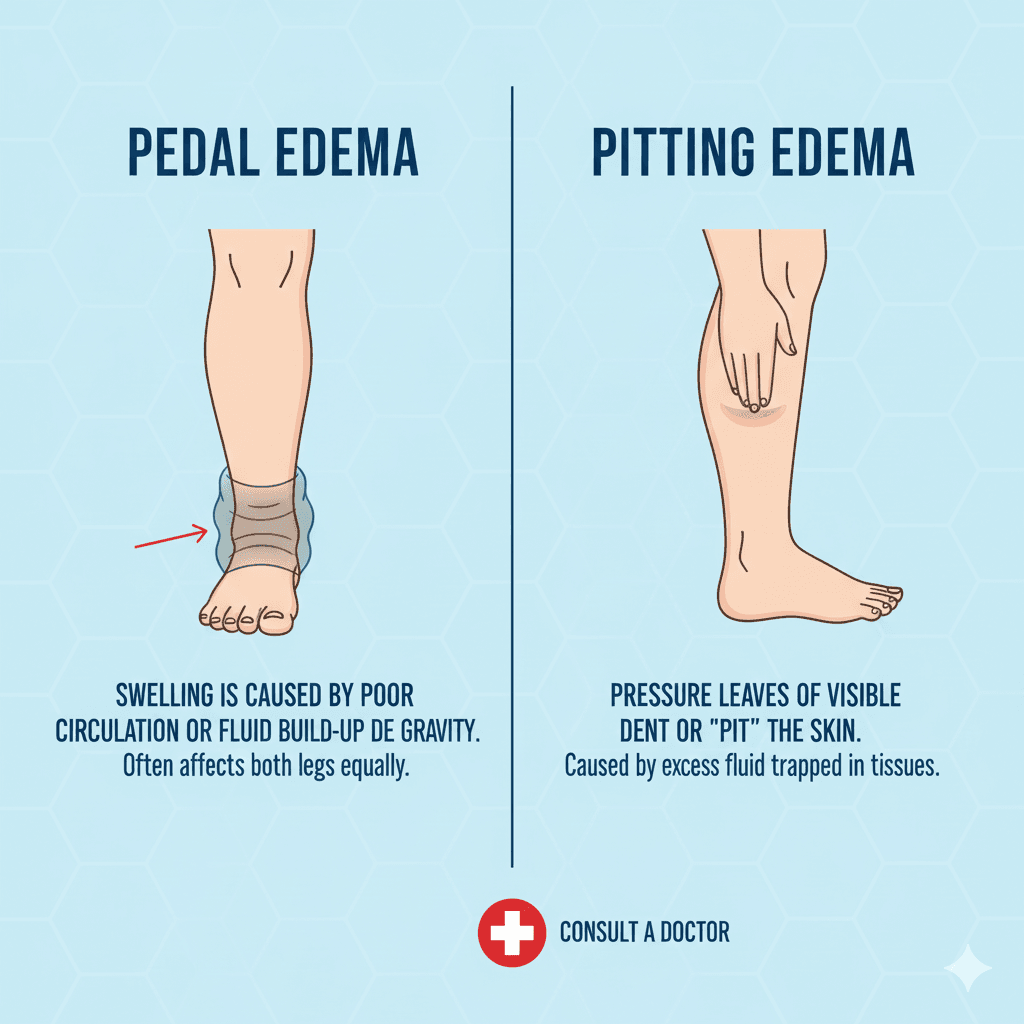
The difference between pedal edema (swelling in the feet/ankles) and pitting edema (a type of swelling that leaves a temporary dent when pressed) is crucial for understanding fluid retention. Pedal edema is the general term, while pitting edema describes how that swelling behaves when touched, often indicating tissue changes.
Hello there! I’m Dustin Hall, and I know how confusing it can be when your car—or even your body—gives you symptoms that sound similar but mean different things. Today, we are diving into a health topic that pops up often: the difference between “pedal edema” and “pitting edema.” These terms get mixed up easily, leading to worry. Are they the same thing? Is one part of the other? Rest assured, understanding this simple distinction will give you clarity and confidence. We’ll break down these medical terms into simple, everyday language. Ready to get to the bottom of it? Let’s explore why knowing this difference matters for your well-being.
Understanding the Basics: What Are We Talking About?
When we talk about edema, we are just talking about swelling caused by excess fluid trapped in your body’s tissues. Think of it like a sponge soaking up too much water. This usually happens in the lower legs, ankles, and feet because gravity pulls the fluid downward, especially if you sit or stand for long periods. That’s where the term “pedal” comes in handy.
What is Pedal Edema? (The Location Clue)
The word “pedal” relates directly to the foot. So, pedal edema is simply the medical term for swelling that occurs specifically in your feet and ankles. It is a symptom, not a specific diagnosis. Many things can cause pedal edema—from standing too long to more complex heart or kidney issues.
It’s the general category. If your shoes suddenly feel tight, you have pedal edema.
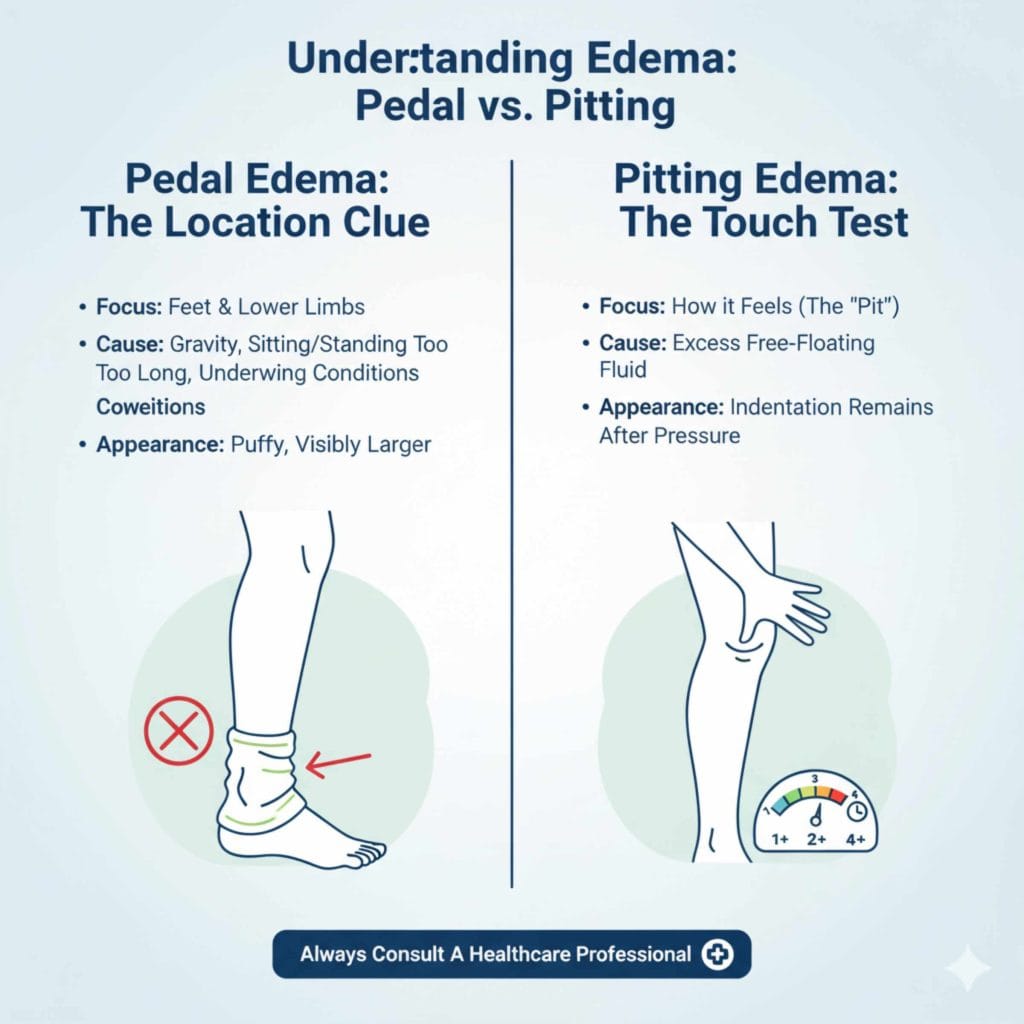
- Focus: Location (feet and lower limbs).
- Cause: Often gravity, sitting too long, or underlying conditions.
- Appearance: The leg or foot looks puffy or visibly larger than usual.
What is Pitting Edema? (The Touch Test)
Now, pitting edema is different because it describes how the swelling feels and responds when you press on it. If you press your finger firmly into the swollen area for a few seconds and an indentation (a “pit”) remains after you lift your finger, that confirms it is pitting edema.
This “pitting” action happens because the excess fluid is free-floating within the tissue spaces, allowing your finger to temporarily displace it. This test is a key indicator used by healthcare providers to classify the severity of the swelling.
The severity is graded, often on a scale from 1+ (mild, barely detectable pit) to 4+ (deep, lasting pit). Understanding this helps doctors figure out how significant the fluid buildup is.
The Essential Difference: Location vs Reaction
The most crucial takeaway is that these two terms describe different aspects of the same problem. One describes where the swelling is, and the other describes how the swelling behaves.
Pedal Edema is the ‘What’ and ‘Where’
If your ankles look puffy, you have pedal edema. That’s the general description of the problem based on the location on your feet.
Pitting Edema is the ‘How’
Pitting edema describes the physical characteristic of the fluid buildup when pressure is applied. Not all swelling pits, but when it does, it tells us something important about the fluid buildup.
To make this crystal clear, let’s look at how they relate. Most instances of severe pedal edema will also be pitting edema, but technically, swelling that doesn’t pit (like lymphedema) is not pitting edema.
Here is a simple breakdown:
| Feature | Pedal Edema | Pitting Edema |
|---|---|---|
| Primary Definition | Swelling located in the feet and ankles. | Swelling that leaves a temporary dent when pressed. |
| What it Describes | Location (where the swelling is). | Reaction to pressure (how the swelling feels). |
| Is it always present? | If feet swell, this term applies. | Only if the fluid is easily movable by pressure. |
Why Does Swelling Pit? The Science of Fluid Movement
When you press hard on pitting edema, you are forcing the accumulated interstitial fluid—the fluid outside of the blood vessels and cells—to move around in the tissue spaces. If the fluid is loosely packed, it moves away easily, leaving that temporary depression or “pit.”
This characteristic is often linked to fluid overload caused by vascular issues, like venous insufficiency (when veins struggle to push blood back up to the heart), or systemic issues like poor kidney function filtering fluid properly.
Non-Pitting Edema: When the Pit Doesn’t Stay
It’s useful to know the opposite, too. Sometimes, swelling does not pit. This is called non-pitting edema. This typically happens when the swelling is caused less by pure fluid and more by protein-rich fluid or other materials that have accumulated in the tissues, causing the tissue structure itself to become firm or fibrotic (scar-like).
The most common cause of non-pitting edema is lymphedema. This occurs when the lymphatic system, which drains large proteins and waste products from tissues, is damaged or blocked.
Since the proteins accumulate, the tissue structure is more solid, and pushing on it won’t easily move the fluid out of the way, meaning no pit remains.—For more reliable information on the lymphatic system and its importance in bodily fluid balance, you can review resources from institutions like The National Cancer Institute (NCI).
Practical Steps: How to Check for Pitting Edema at Home
If you notice your feet are swollen (pedal edema), performing the “pit test” is a straightforward, safe way to gauge the situation. This helps you relay clear information to your doctor.
Tools You Will Need:
- Your Fingers (or a thumb)
- A Watch or Timer (to observe how long the pit lasts)
The Simple Pitting Test Steps:
- Find the Spot: Locate the most swollen area, usually over the shin bone (tibia) or on the top of your foot, as these areas often have less fat cushioning.
- Apply Firm Pressure: Use your thumb or index finger and press firmly into the swollen area. You want to be firm enough to cause the skin to depress, but not so hard that it hurts significantly.
- Hold and Count: Keep your finger pressed down for about 5 to 10 seconds. This gives the fluid time to move.
- Release and Observe: Quickly lift your finger straight up.
- Check the Pit: Immediately check the spot where your finger was. Does an indentation remain?
Interpreting the Results:
- No Pit Remains Instantly: This suggests non-pitting edema, often seen in lymphedema or conditions causing tissue hardening.
- A Small Pit Remains for a Few Seconds: This is mild Pitting Edema (1+ or 2+).
- A Deep, Lasting Pit Remains: This is more severe Pitting Edema (3+ or 4+), indicating significant fluid retention that needs attention.
Common Causes of Pedal Edema That Might Also Pit
Since pedal edema is only the symptom of location, it can be caused by many different bodily systems not working quite right. When the cause involves excess, watery fluid buildup, it tends to pit.
1. Venous Insufficiency (Vein Trouble)
This is one of the most common causes, especially in older adults or people who stand all day long. Your leg veins have trouble returning blood to your heart. The blood pools, pressure builds up, and fluid leaks out into the surrounding tissues, causing classic pitting pedal edema.
2. Heart Failure
When the heart muscle isn’t pumping strongly enough (congestive heart failure), blood can back up in the veins of the legs. This increased pressure forces fluid out, causing significant, often noticeable pitting in both legs.
3. Kidney Disease
The kidneys are responsible for balancing fluids and salt in your body. If they aren’t working well, extra salt and water stay in the body, leading to generalized swelling that frequently presents as pitting pedal edema.
4. Medication Side Effects
Certain medications, like some blood pressure drugs or hormones, can have fluid retention as a known side effect. Again, this fluid is often watery and will compress when pressed.
When to Be Concerned: Moving from “Pitting” Knowledge to Action
As your guide, my goal is to empower you, not scare you. A little swelling after walking around on a hot day that disappears overnight is usually not a major concern. However, the difference between pedal edema and pitting edema guides how seriously you should take the symptom when persistent.
If you experience the following changes alongside localized foot swelling, it’s time to call your doctor:
- Sudden, Severe Swelling: If one leg swells rapidly without obvious injury, this is urgent.
- Swelling Changes Color or Temperature: If the area feels hot, red, or tender, this could signal a blood clot or infection.
- Pitting is Severe and Unrelenting: If the pitting is deep (3+ or 4+) and the swelling doesn’t improve even after resting with your feet elevated for several hours.
- Shortness of Breath: Foot swelling combined with difficulty breathing can signal serious heart or lung issues.
When you see your primary care provider, being able to say, “My feet are swollen, and when I press them, a deep pit remains for over 30 seconds,” is incredibly helpful information compared to just saying, “My feet are puffy.”
Comparing Causes: Pitting Vs Non-Pitting Swelling
To reinforce our learning, let’s look at the primary causes for each type of presentation when examining pedal edema.
| Type of Edema | Likely Underlying Mechanism | Examples of Conditions |
|---|---|---|
| Pitting Edema | Excess free fluid leaking from blood vessels due to high pressure. | Venous Insufficiency, Congestive Heart Failure, Cirrhosis, Nutritional Deficiencies. |
| Non-Pitting Edema | Accumulation of thick, protein-rich fluid or tissue changes (fibrosis). | Lymphedema, Myxedema (severe hypothyroidism), Tissue Injury/Infection. |
Notice how pitting edema tends to be related to pressures within your main circulatory system (veins, heart), while non-pitting edema is often related to drainage system failure (lymphatics) or tissue hardening.
Simple Self-Care for Mild Pedal Edema
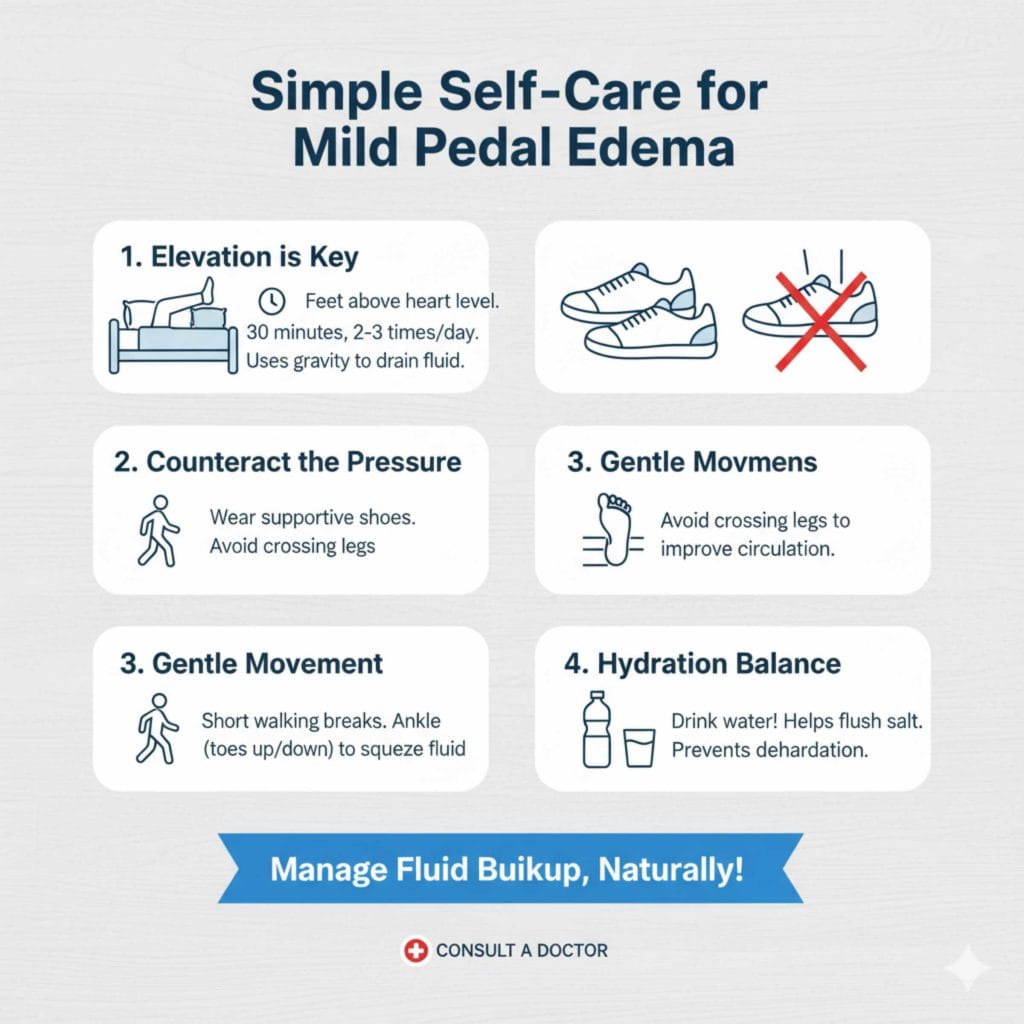
For mild swelling that is consistent with long days on your feet (and assuming a doctor has cleared you of serious underlying conditions), you can take simple daily steps to manage the fluid buildup. These tips are designed to help gravity work for you.
Four Steps to Manual Fluid Return:
- Elevation is Key: Get your feet above your heart level for 30 minutes, two to three times a day. Prop them up on pillows while you rest on the couch. This uses gravity to help drain the fluid back toward the torso.
- Counteract the Pressure: Wear comfortable, supportive shoes. Avoid crossing your legs while sitting, as this can restrict circulation and worsen pooling.
- Gentle Movement: If you have a desk job, take short walking breaks every hour. Simple ankle pumps (pointing your toes up then down) are excellent for squeezing fluid out of the lower legs.
- Hydration Balance: It sounds odd, but drinking enough water helps your body flush out excess salt. Being dehydrated can sometimes cause your body to hang onto fluid.
If you are dealing with chronic venous issues, your doctor might even recommend prescription-strength compression stockings. These garments gently squeeze the legs, providing external support to help those tired veins push blood upward.
FAQ Section: Quick Answers for Everyday Drivers
Q1: If my legs are swollen, is it always pedal edema?
A: Yes, if the swelling is located in your feet or lower legs, it falls under the general term “pedal edema.”
Q2: Does pitting edema always mean something serious is wrong?
A: Not always. Mild pitting that goes away after resting with your feet up can be normal after a long day. However, severe or persistent pitting requires a medical check-up to rule out underlying heart or kidney issues.
Q3: How long should I wait before seeing a doctor if I notice pitting?
A: If the pitting doesn’t clearly resolve after a night of elevated rest, or if you have pitting in both legs accompanied by fatigue or shortness of breath, call your doctor the next business day.
Q4: Can I have edema without it being on my feet?
A: Yes. While “pedal” defines foot swelling, edema can happen anywhere—in the hands, face, or abdomen. If it’s in the abdomen, it’s often called ascites.
Q5: What is edema caused by sitting too long called?
A: When it’s simply due to gravity pooling fluid in the lower legs after prolonged inactivity, it is often referred to as dependent edema, which typically manifests as pitting pedal edema.
Q6: Is non-pitting edema usually worse than pitting edema?
A: Not necessarily worse, but it often points to a different root cause. Pitting swelling is fluid backup; non-pitting swelling (like lymphedema) involves more solid protein buildup and often requires different management techniques.
Conclusion: Confidence in Clarity About Pedal vs Pitting Edema
Congratulations! You’ve taken the mystery out of two commonly confused terms. Remember this simple guide: Pedal Edema tells you where the problem is (your feet), and Pitting Edema tells you how the fluid is sitting there (it moves when you press it).
This knowledge isn’t just trivia; it allows you to have more precise conversations with your healthcare team, leading to faster and more accurate care. Whether you are checking your tires or checking your ankles, understanding the details is the first step to safe, confident maintenance. Keep observing your body—just like you look under the hood—and don’t hesitate to seek advice when something seems persistently out of place. You’ve got this!