
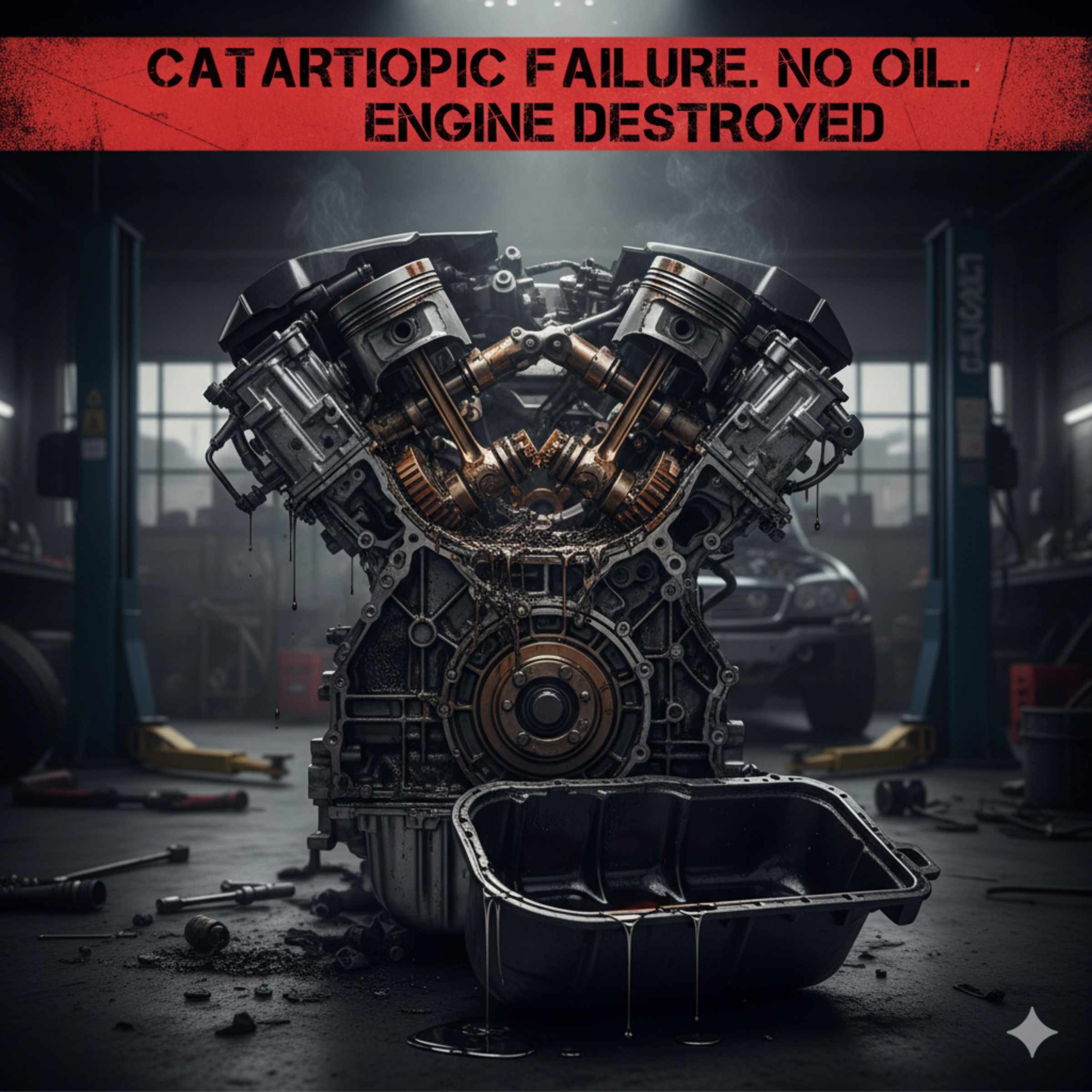
Starting a car without engine oil can cause catastrophic engine damage, leading to extremely expensive repairs or a complete engine replacement. It deprives critical moving parts of lubrication, causing friction and overheating that can quickly destroy your engine. Always check your oil level before starting your car.
We’ve all been there – maybe it’s a busy morning, or you’re just trying to get somewhere quickly. You hop into your car, turn the key, and expect everything to just… work. But what if something fundamental is missing? One of the most critical fluids your car needs is engine oil. It’s the lifeblood of your engine, keeping everything moving smoothly. So, naturally, a big question pops up for many drivers: what exactly happens if you start a car without engine oil? It might seem like a small oversight, but the consequences can be incredibly severe. Don’t worry, though! We’re here to break it down in a way that’s easy to understand, so you know precisely why this is a situation to avoid at all costs and what happens when it does occur.
The Crucial Role of Engine Oil
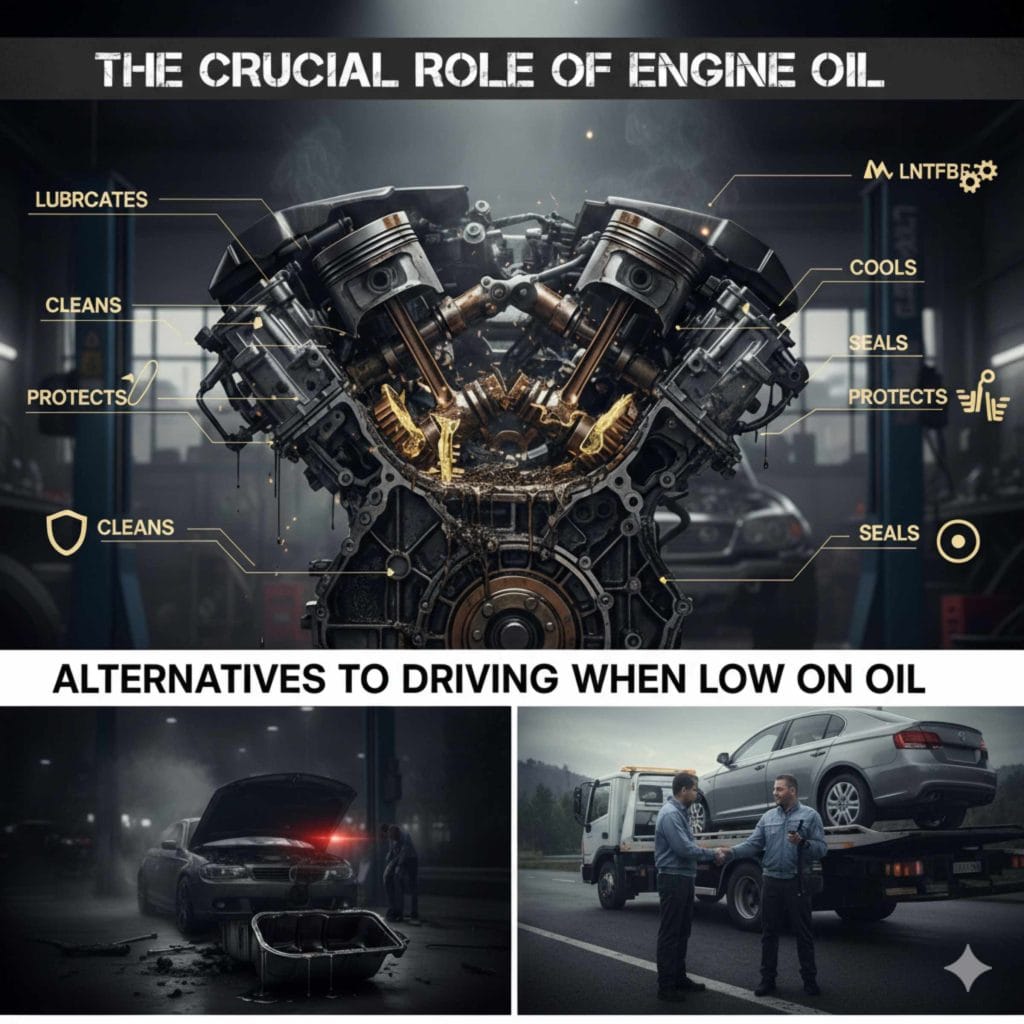
Before we dive into the dangers of running an engine dry, let’s quickly touch on why engine oil is so important in the first place. Think of your engine as a super complex machine with tons of metal parts moving against each other at incredibly high speeds. These parts, like pistons, crankshafts, and camshafts, rub together constantly. Engine oil creates a thin, protective film between these metal surfaces. This film is what makes all the difference.
- Lubrication: This is its primary job! The oil reduces friction, preventing those metal parts from grinding against each other.
- Cooling: As oil circulates, it picks up heat from the engine’s hottest parts and carries it away, helping to keep temperatures in check.
- Cleaning: Oil contains detergents that grab onto dirt, sludge, and debris, flushing them away and keeping the engine’s internal passages clear.
- Sealing: Oil helps create a seal between the piston rings and cylinder walls, which is essential for maintaining engine compression and efficiency.
- Corrosion Protection: The components of engine oil help protect metal parts from rust and corrosion.
Without this essential fluid, all these critical functions stop immediately. This leaves your engine vulnerable in seconds.
What Happens If You Start a Car Without Engine Oil? The Immediate Dangers
The moment you turn the key and the engine starts to crank without oil, a cascade of destructive events begins. It’s not a slow burn; this is rapid and severe damage.
1. Metal-on-Metal Friction: The Core Problem
As soon as the engine fires up, moving parts begin to operate. Without the lubricating barrier of oil, these metal components will immediately start to grind directly against each other. Imagine trying to slide two extremely dry pieces of sandpaper together – that’s essentially what’s happening inside your engine, but at thousands of revolutions per minute. This friction doesn’t just cause wear; it generates intense heat.
2. Rapid Overheating
Engine oil plays a significant role in cooling. It circulates through the engine, absorbing heat from components like the pistons and cylinder walls and carrying it to the oil pan (or an oil cooler, if equipped). When there’s no oil, this cooling process stops. The excessive friction from metal-on-metal contact generates heat far faster than the engine’s cooling system (radiator, coolant) can handle for these internal components. Temperatures inside the engine can skyrocket within moments.
3. Scavenging and Seizure
The oil pump itself is a component that requires lubrication. In an engine without oil, the oil pump will struggle to pick up any remaining residue or simply pump air. This means the low oil pressure warning light on your dashboard, if it illuminated at all, would signal a critical failure. Without the oil pressure to push components apart and cool them, parts will literally start to fuse or seize together. This is often referred to as “engine seizure” and means the engine has physically locked up and can no longer turn.
4. Damage to Critical Components
Several key engine parts are particularly susceptible to damage in an oil-less start:
- Bearings: The crankshaft and connecting rod bearings rely heavily on oil to function. Without it, they will quickly wear down and can even melt.
- Piston Rings and Cylinder Walls: These components need oil to maintain a seal and reduce friction. Running without oil will score (scratch) the cylinder walls and damage the piston rings.
- Camshaft and Lifters: The camshaft operates the valves, and its components are also lubricated by oil.
- Timing Chain/Belt System: While some parts of the timing system might have a little residual oil, they are designed to operate with constant flow and pressure, which will be absent.
5. What You Might Hear and Feel
If you were to start an engine without oil for even a short period, you’d likely notice:
- Knocking or Ticking Noises: These are sounds of metal components impacting each other without a cushion.
- Grinding Sounds: Indicating severe friction.
- Sudden Loss of Power: As internal parts begin to seize.
- Smoke: Overheating can lead to oil burning off or internal parts melting.
- The Engine Stalling: Often, the engine will seize and come to an abrupt halt.
How Long Can an Engine Run Without Oil?
This is a common question, and the answer is often shorter than people expect. It’s not about minutes or hours; it’s about seconds. For a modern car engine, running for 15-30 seconds without any oil pressure can be enough to cause significant, irreversible damage. In some cases, particularly with older engines or less robust designs, damage might begin even sooner.
Factors that influence the exact timeframe include:
- Engine Temperature: A cold engine might tolerate a few more seconds than a hot one because the metal parts are less expanded.
- Engine Design: Some engines are more resilient than others.
- How the Car is Operated: Revving the engine will accelerate the damage significantly.
The critical takeaway is that even a brief moment of operation without oil is extremely risky. It’s not worth the gamble.
The Severity and Cost of Oil-Deprived Engine Damage
The damage caused by running an engine without oil is rarely minor. It’s typically catastrophic. Because the core of the engine is compromised, repairs are almost always major and very expensive.
Common Consequences and Repair Costs
Here’s a look at the potential damage and what it might cost to fix:
| Type of Damage | Description | Estimated Repair Cost Range (USD) |
|---|---|---|
| Bearing Failure (Rod Knock) | Crankshaft and connecting rod bearings are destroyed, causing loud knocking sounds and potential rod through the engine block. | $3,000 – $7,000+ (for engine rebuilding) |
| Piston and Cylinder Wall Damage | Cylinder walls become scored, pistons can seize in cylinders, and piston rings break. | $2,500 – $6,000+ (depending on extent) |
| Complete Engine Seizure | Internal components lock up, rendering the engine inoperable. Often requires full engine replacement. | $5,000 – $10,000+ (for a new or rebuilt engine) |
| Oil Pump Failure | The oil pump itself can be damaged or destroyed without lubrication. | $400 – $1,000 (if just the pump needs replacing, but unlikely without other damage) |
| Valve Train Damage | Camshaft, lifters, rockers, and valves suffer wear and damage. | $1,500 – $4,000+ (as part of a larger rebuild) |
In many scenarios, the cost of repairs for an engine damaged by lack of oil will approach or even exceed the value of the vehicle, especially for older cars. This is why preventive maintenance, like checking your oil regularly, is so crucial.
Signs Your Car Might Be Low on Oil (and What to Do)
Fortunately, your car often gives you warning signs before a total disaster strikes. Recognizing these can save you from starting a car without enough oil.
Dashboard Warning Lights
The most common and critical warning is the oil pressure warning light. This light looks like an old-fashioned oil can. If this light illuminates while you’re driving, it means your engine is not circulating oil correctly, and you should pull over immediately and turn off the engine. Do NOT continue driving.
Another related light is the check engine light. While this can indicate a myriad of issues, a severe lack of oil can sometimes trigger it as well.
Audible Clues
As mentioned earlier, listen for:
- Knocking or pinging sounds
- Ticking noises that speed up with engine RPM
- Grinding sounds
If you hear any of these, especially in conjunction with a warning light, turn off the engine as soon as it is safe to do so.
Visual Inspections
The best way to prevent this entire situation is by performing regular visual checks:
- Park on a Level Surface: This ensures an accurate oil reading.
- Wait for the Engine to Cool: Let your car sit for at least 10-15 minutes after shutting it off.
- Locate the Dipstick: It’s usually a brightly colored (often yellow or orange) loop or handle.
- Pull Out the Dipstick: Wipe it clean with a rag or paper towel.
- Reinsert the Dipstick Fully: Push it all the way back in.
- Pull the Dipstick Out Again: Look at the oil level against the markings. You’ll typically see “ADD” or “LOW” at one end and “FULL” or “MAX” at the other.
- Check for Oil Leaks: While you’re under the hood, look for any dark, oily spots under your car or around lubricant hoses. Check out resources like NHTSA’s workshop safety guidelines to ensure you’re working safely.
If your oil level is below the “ADD” mark, you need to add oil immediately. If it’s significantly low, you might have a leak and should get it checked by a mechanic.
What to Do If You Discover Low Oil Before Starting
Discovering you’re low on oil before you even turn the key is a stroke of luck! Here’s what you should do:
- Don’t Start the Engine: The most important step is to resist the urge to start the car.
- Identify the Correct Oil Type: Check your owner’s manual for the specific type and viscosity of oil your car requires. Using the wrong oil can also cause damage. For example, a modern turbocharged engine might need a specific synthetic oil, while an older car could use conventional oil. The American Petroleum Institute (API) classifies engine oils; using one with the correct API “Service Symbol Donut” is crucial.

Image Credit: American Petroleum Institute (API) - Purchase the Oil: Buy the correct oil from an auto parts store. It’s a good idea to keep a quart of the correct oil in your trunk for emergencies.
- Add the Oil: Locate the oil fill cap on top of your engine. Carefully pour in the recommended amount of oil, starting with about half a quart if you’re unsure of the exact level needed.
- Check the Dipstick Again: Wait a few minutes for the oil to settle, then recheck the dipstick. Add more oil gradually, checking the level each time, until it’s within the safe range. Do not overfill!
- Start the Engine Safely: Once the oil level is correct, start the engine. Let it run for a minute or two and observe the oil pressure light. It should turn off within a few seconds. Listen for any unusual noises.
- Monitor Closely: If you were significantly low on oil, it’s a good idea to monitor your oil level more frequently and check for any signs of leaks.
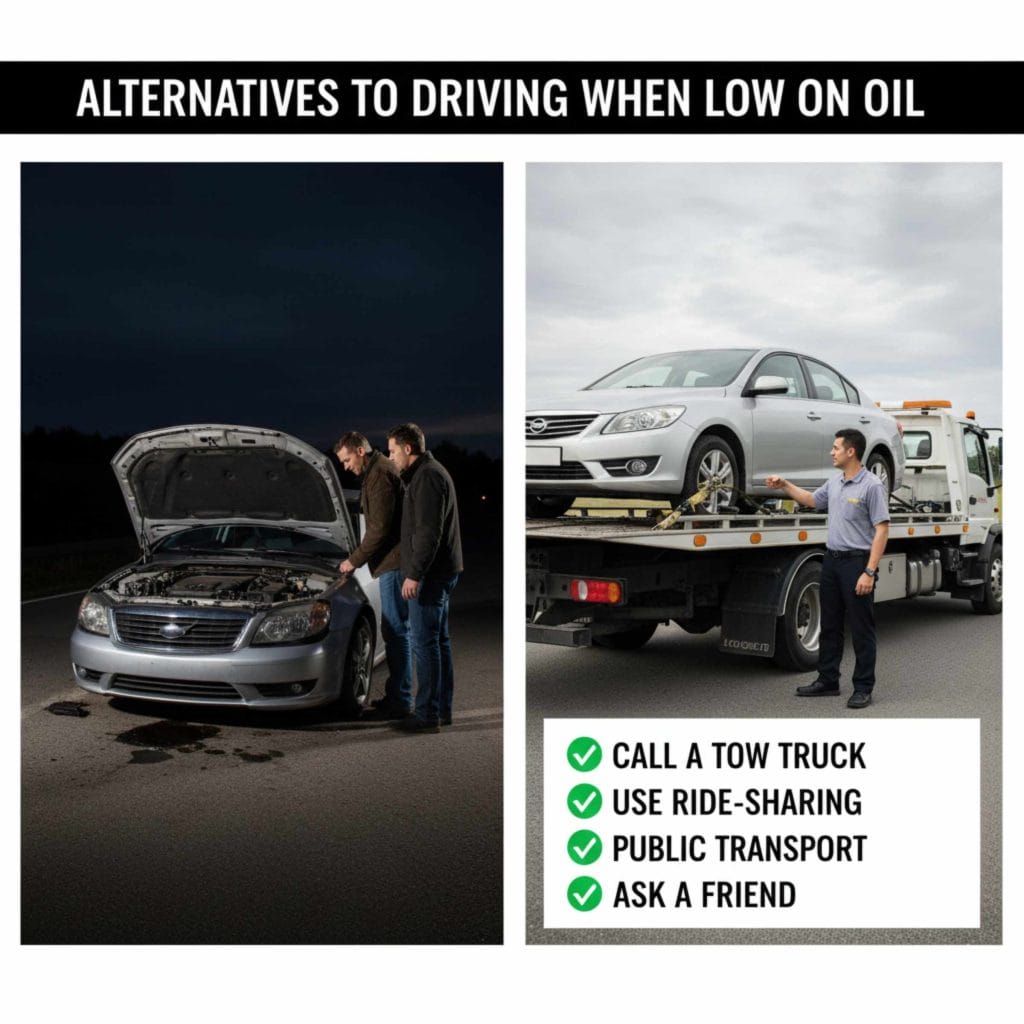
Alternatives to Driving When Low on Oil
If you truly need to drive your car but discover the oil is very low or you have a leak, it’s always best to avoid driving it. Here are some safer alternatives:
- Call a Tow Truck: This is the safest option. Have your car towed directly to a mechanic.
- Use Ride-Sharing Services: Services like Uber or Lyft can get you to your destination without risking your engine.
- Public Transportation: If available, buses or trains are a reliable alternative.
- Ask a Friend or Family Member: See if someone can give you a ride.
The cost of a tow or alternative transportation is almost always far less than the cost of engine repairs caused by driving with insufficient oil.
Frequently Asked Questions (FAQ)
Q1: Can I start my car for just a few seconds without oil?
A: It is strongly advised NOT to start your car for any length of time without engine oil. Even a few seconds of running can cause significant friction and heat, potentially leading to irreversible damage. It’s simply not worth the risk.
Q2: What’s the difference between low oil and no oil?
A: Low oil means there is still some oil in the engine, but not enough to provide adequate lubrication and cooling for all parts. No oil means there is virtually no fluid barrier between moving metal components, leading to immediate and severe friction and heat. The damage from “no oil” happens much faster and is more catastrophic.
Q3: I saw the oil light come on and turned the car off immediately. Is the engine okay?
A: You did the right thing! Turning the engine off immediately upon seeing the oil pressure light is the best course of action. The damage sustained depends on how long the light was on and how long the engine ran under low or no oil pressure. You should have your oil level checked and the oil pressure system inspected by a qualified mechanic to be sure.
Q4: Will changing the oil fix engine damage from running without it?
A: If the engine was run for more than a few seconds without oil, simply changing the oil will not fix the internal damage that has already occurred due to friction and overheating. The metal parts have likely been scored, bearings damaged, or the engine may have seized. Engine repair or replacement would be necessary.
Q5: What is considered “starving” an engine of oil?
A: “Starving” an engine of oil typically refers to situations where the oil level is critically low, and the oil pump cannot effectively pick up oil from the oil pan and circulate it throughout the engine. This leads to low or zero oil pressure, even if there’s a tiny amount of oil left in the system.
Q6: Is it better to have too much oil or too little oil?
A: It is generally better to have slightly less oil than the maximum fill line than to overfill the engine. However, both extremes are problematic. Critically low oil (starvation) causes immediate and severe damage. Overfilling can cause the crankshaft to churn the oil into a frothy mixture, reducing its lubricating properties and potentially causing damage as well. Always aim for the level between the “MIN” and “MAX” marks on the dipstick.
Conclusion: Prevention is Key
Starting a car without engine oil is one of the quickest ways to inflict devastating damage on your vehicle. The essential lubrication, cooling, and cleaning functions provided by engine oil are non-negotiable for the health of your engine. As we’ve seen, even a brief period of oil starvation can lead to metal-on-metal friction, rapid overheating, and the seizure of vital components, resulting in repairs that can cost thousands of dollars, often exceeding the car’s value.
Your best defense against this expensive catastrophe is simple: regular maintenance and awareness. Make it a habit to check your oil level using the dipstick every few weeks, or at least before any long road trip. Pay attention to your car’s dashboard warning lights – especially that critical oil pressure indicator. If you notice any unusual noises or your car is consuming oil, get it checked by a professional promptly. Taking these proactive steps ensures your engine stays protected, runs smoothly, and lasts for many years to