
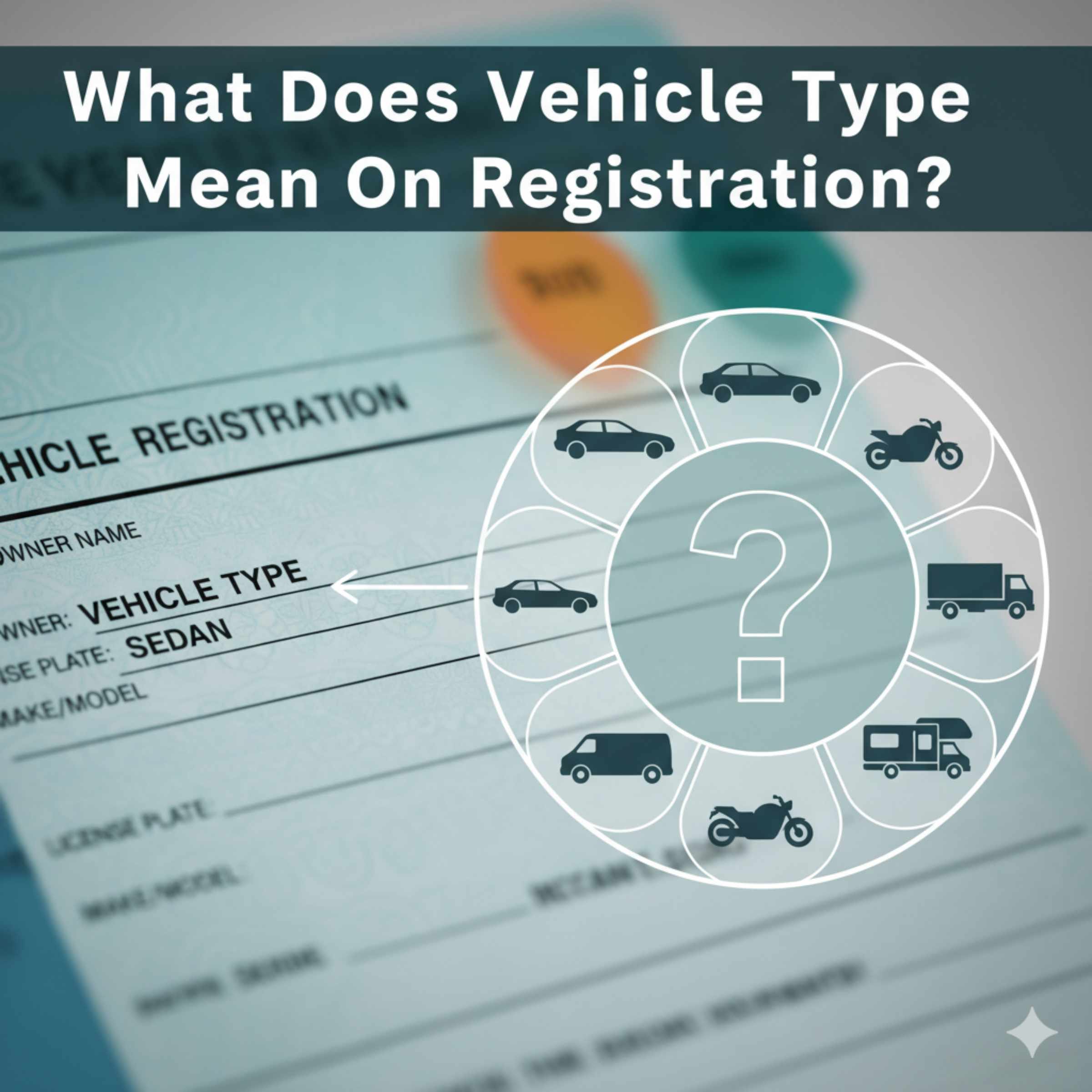
The vehicle type on your registration is the official classification of your car, truck, or motorcycle, determined by factors like size, weight, and intended use. This label is crucial because it dictates insurance rates, registration fees, inspection requirements, and sometimes even where you can legally park or drive.
Ever looked at your car registration and felt confused by all the tiny boxes and codes? You are definitely not alone! Many drivers scratch their heads over the “Vehicle Type” field. It seems unnecessarily complex, but understanding this one small phrase is key to avoiding fines and getting the right insurance coverage.
Don’t worry. We are going to break down exactly what this term means in plain English. Think of me as your friendly, knowledgeable neighbor who just happens to know a lot about cars. We will cover why the government cares about this label and how it affects you daily. Let’s demystify your paperwork step by step so you can manage your registration with total confidence!
Understanding the Basics: Why Vehicle Type Matters
When you first register your vehicle with your state’s Department of Motor Vehicles (DMV) or equivalent agency, they don’t just look at the color and model year. They classify it. This classification is the “Vehicle Type.”
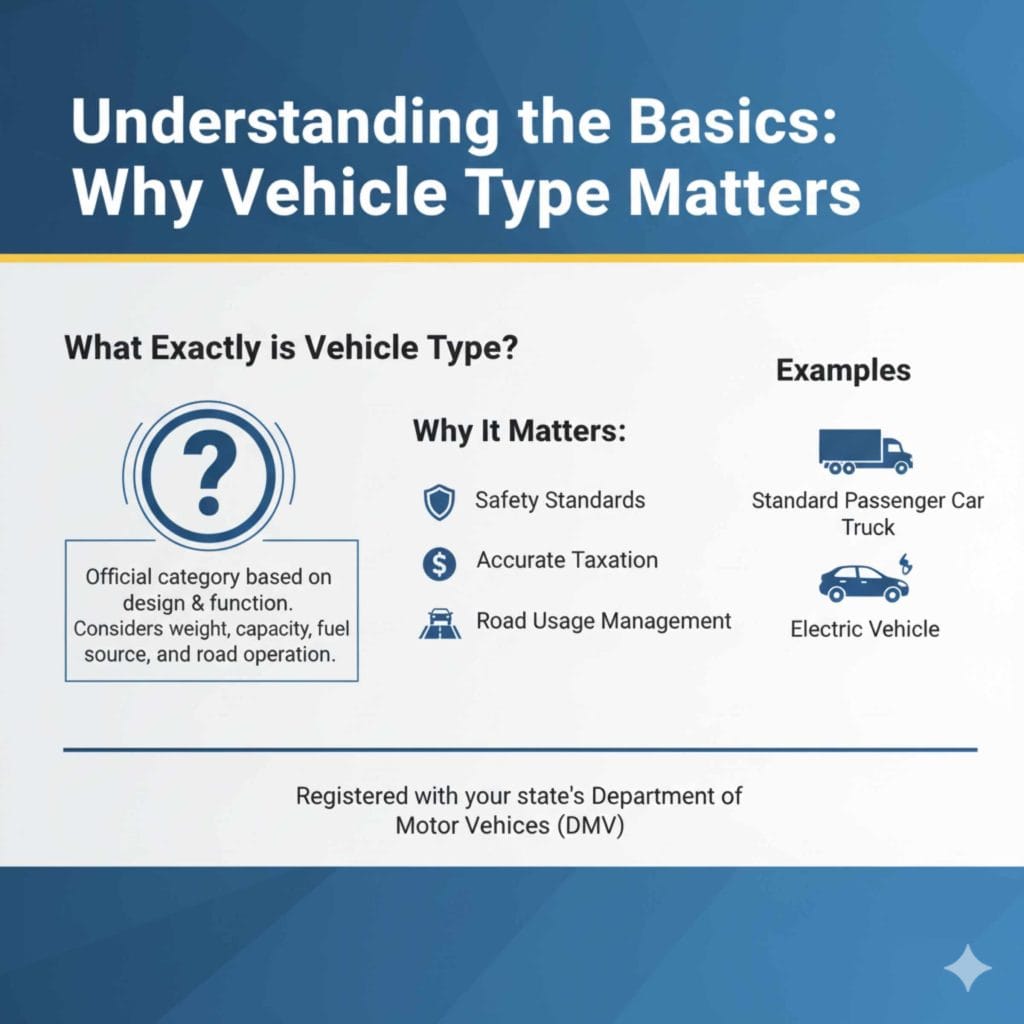
What Exactly is Vehicle Type?
Simply put, the Vehicle Type is the official category assigned to your vehicle based on its design and function. This isn’t just about whether it’s a sedan versus an SUV; it often relates to weight, capacity, fuel source, and how it operates on public roads.
This information is vital for state authorities because it helps them manage road usage, calculate taxes accurately, and ensure safety standards are met. For instance, a heavy commercial truck is regulated very differently than a standard passenger car.
Where Can You Find This Information?
You will typically see the Vehicle Type listed in a few key places:
- The Vehicle Registration Card: Usually included near the vehicle’s description, VIN, or plate number.
- The Vehicle Title: This document confirms ownership and usually includes the official classification.
- Insurance Documents: Your insurance company relies on this category when determining your premium.
The Difference: Make, Model, and Type
It is easy to mix these three terms up. Let’s clear the air so you know exactly what you are looking at:
- Make: This is the manufacturer (e.g., Ford, Toyota, BMW).
- Model: This is the specific version of the vehicle (e.g., F-150, Camry, 3 Series).
- Vehicle Type: This is the functional classification (e.g., Passenger Vehicle, Light Truck, Motorcycle).
Common Vehicle Types Explained Simply
Different states use slightly different terminology, but most fall into a few widely accepted categories. Understanding these common types will help you decode almost any registration card.
Passenger Vehicles (The Most Common Type)
This is the category most everyday drivers fall into. These vehicles are designed primarily to carry people, not significant cargo or heavy loads.
- Sedan: A standard four-door car with a separate trunk.
- Coupe: Usually a two-door vehicle with a fixed roof.
- Wagon/Hatchback: Cars with a rear door that opens upward, combining passenger and cargo space.
- Minivan/Van (Light): Vehicles designed for carrying multiple passengers, often with sliding doors.
Light Trucks and SUVs
This classification is often grouped together but is important because these vehicles sometimes face different permitting or registration fee structures than standard cars.
The key differentiator here is often the Gross Vehicle Weight Rating (GVWR). If you want to dive deeper into how vehicles are categorized by weight for federal safety standards, you can check resources from the National Highway Traffic Safety Administration (NHTSA) (NHTSA Official Site).
- SUV (Sport Utility Vehicle): Versatile vehicles, often built on a truck chassis or capable of light off-roading.
- Pickup Truck (Light Duty): Generally defined by an open cargo bed.
- Van (Cargo/Commercial): Vans primarily designed to move goods rather than people.
Specialty and Recreational Vehicles
These types have very specific rules attached to them, which is why the registration type is critical here.
- Motorcycle: Two or three-wheeled motor vehicles generally steering via handlebars.
- Recreational Vehicle (RV) / Motorhome: Vehicles built with living accommodations. These often require special insurance and may have weight restrictions on certain scenic roads.
- Autocycle: Newer classifications for three-wheeled vehicles that often resemble small cars but require specific endorsements for driving.
Commercial and Heavy Vehicles
These categories are for vehicles used primarily for business, hauling large amounts of goods, or carrying high numbers of passengers for hire.
If your vehicle accidentally lands in this category when it shouldn’t be, you could face high registration fees or fines. This highlights why accuracy is so important!
| Vehicle Type Category | Primary Use | Key Factor |
|---|---|---|
| Passenger Car | Personal transportation | Low weight, seating capacity |
| Light Truck/SUV | Mixed use (personal/light hauling) | GVWR under 10,000 lbs |
| Commercial Truck | For-hire transport of goods | High GVWR, specific cargo capacity |
| Bus | Transporting many passengers | High passenger seating count |
Electric and Alternative Fuel Vehicles
In many states, vehicles powered by electricity (EVs) or alternative fuels (like CNG or Hydrogen) are separated into their own types. This isn’t just for fun; it often ties directly into state incentives, tax credits, or specific road usage charges.
For example, some states waive traditional gasoline taxes for EVs but impose an annual flat fee on them to fund road maintenance, as EVs don’t contribute to gas taxes. Knowing your exact type ensures you pay the correct fee structure.
The Practical Impact: Why You Need to Know Your Type
This label isn’t just bureaucratic paperwork; it directly impacts your wallet and your driving experience. Let’s explore the three biggest areas where “Vehicle Type” plays a major role.
1. Registration Fees and Taxes
This is often the most noticeable difference. States calculate yearly registration fees based heavily on vehicle classification. A heavy-duty truck might pay ten times the fee of a small sedan because it causes more wear and tear on the roads.
- Weight-Based Fees: Heavier vehicles (often categorized as trucks) are taxed higher.
- Emissions Requirements: Some types (like older diesel trucks) might be subject to stricter, more frequent emissions testing than standard passenger cars.
- Usage Fees: Specific types, like large RVs or commercial vehicles, may pay separate use taxes.
2. Insurance Coverage Requirements
Your insurance company cross-references the information on your registration with their database. If they think you are driving a Passenger Vehicle but your registration clearly lists it as a Commercial Vehicle, you could face problems.
Crucially, a personal auto policy will deny coverage if you are using a vehicle classified as “Commercial” use on the registration for business purposes. Always double-check that your perceived use matches the legal classification.
3. Safety Inspections and Road Usage Laws
Different vehicle types have different mandatory safety requirements. For example:
- A standard car might need annual safety and emissions checks.
- A classic or antique car (a special vehicle type) might be exempt from certain safety checks but might also be restricted from driving during peak traffic hours.
- Vehicles over a certain weight class might be forbidden from using specific city streets or tunnels.
When dealing with official codes, knowing the general category helps you look up the specific state law. For example, the Federal Highway Administration provides extensive guidance on commercial vehicle standards, which can sometimes influence state-level definitions (FHWA Transportation Resources).
How to Determine the Correct Vehicle Type for Your Car
If you suspect your registration paperwork has the wrong vehicle type listed, don’t panic! This sometimes happens during the initial title transfer or dealership processing. Here is how you figure out what it should be.
Step 1: Examine Your Purchase Documents
The very first place to look is the paperwork you received when you bought the car.
- The Manufacturer’s Statement of Origin (MSO) or Title: This original document usually has the most accurate, federally recognized classification. Look for a field labeled “Body Style” or “Vehicle Class.”
- Bill of Sale: While less formal, this often reflects how the dealer intended to classify the vehicle for sale.
Step 2: Check Manufacturer Specifications
The manufacturer determines the original classification based on physical attributes.
If you have a newer vehicle, checking the manufacturer’s website for the official specifications of your exact trim level can confirm the intended type (e.g., is that crossover legally a “Truck” or a “Car” in your state’s eyes?).
Step 3: Consult Your State’s Official DMV Website
Since rules vary state by state, the definitive answer always comes from your local agency. Most DMVs publish handbooks or cheat sheets explaining their exact terminology.
For example, search your state’s DMV site for: “Vehicle Classification Codes” or “Registration Type Definitions.” They often provide a chart listing codes (like PC for Passenger Car) and what they stand for.
Step 4: Contact the DMV Directly
If you are still unsure, calling or visiting your local DMV office is the safest bet. Bring your current registration and VIN. A quick chat with a representative can clear up any lingering confusion before you run into registration issues.
What If My Vehicle Type Is Wrong on the Registration?
Mistakes happen! If you discover an error, you need to get it corrected. Driving with incorrect registration details can lead to fines during a traffic stop, or worse, an insurance claim being complicated later on.
The Correction Process: A Simple Plan
- Gather Proof: Collect the supporting documents (MSO, Title, Manufacturer Specs) that show the correct classification.
- Complete Necessary Forms: Your state will require a specific form to amend vehicle information. This is usually called an “Application for Correction” or “Change of Vehicle Information.” You can almost always find this form online.
- Visit the DMV: Schedule an appointment if required. You will submit your proof and the form. They might require an inspection to verify the vehicle’s current condition or type, especially if changing from Passenger to Commercial.
- Pay Any New Fees: Be prepared that correcting the type might result in a small fee adjustment or a refund, depending on whether the wrong category cost you more or less in fees previously.
- Receive Updated Documents: Once processed, you will get a new registration card reflecting the correct Vehicle Type. Keep this safe!
A Real-World Example: The Crossover Dilemma
Many modern crossovers blur the lines. A manufacturer may market a vehicle as a sporty crossover, but if its weight rating (GVWR) places it over a certain threshold, the state DMV might legally classify it as a “Light Truck.”
If your insurance company registers it as a “Passenger Car” based on market terminology, but the DMV calls it a “Light Truck,” you need internal consistency. The DMV classification usually takes precedence for registration and primary taxation purposes.
Special Considerations for Modified Vehicles
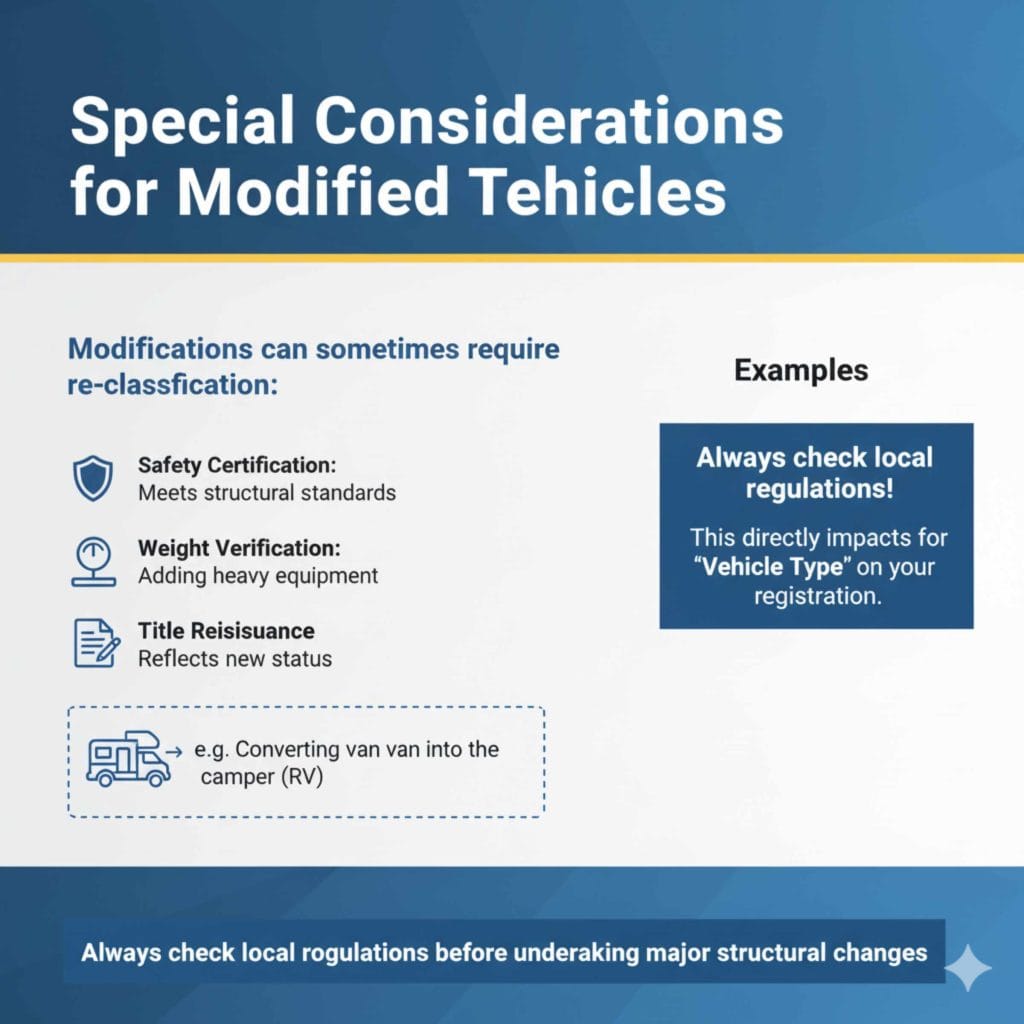
If you have heavily modified your vehicle—for instance, converting a standard van into a camper (RV) or drastically altering a pickup truck’s chassis—you introduce complexity.
Modifications can sometimes require re-classification because the vehicle’s intended use has legally changed. This process often involves:
- Safety Certification: Ensuring the modification meets structural safety standards.
- Weight Verification: Especially important if adding heavy equipment.
- Title Reissuance: Official paperwork must reflect the new status (e.g., changing from “Van” to “Motorhome”).
Always check local regulations before undertaking major structural changes, as this directly impacts the “Vehicle Type” on your registration.
Quick Reference: Decoding Common State Codes
While we can’t list every state’s specific codes here, knowing the pattern helps. The following table shows how codes generally map to common North American registration types:
| Common Code Abbreviation | Likely Vehicle Type | Typical Fee Impact |
|---|---|---|
| PASS/PC | Passenger Car/Sedan | Standard/Lower Fee |
| LT/LGT TRK | Light Truck or SUV | Slightly Higher Fee |
| MTRCYC | Motorcycle | Lowest Fee |
| COM/COMM | Commercial Vehicle | Highest Fee / Liability Requirements |
| RV/MH | Recreational Vehicle / Motorhome | Moderate Fee (Often separate schedule) |
Frequently Asked Questions (FAQ) About Vehicle Type
Q1: Does “Vehicle Type” affect my driver’s license requirements?
Generally, no. Your standard driver’s license lets you operate most passenger vehicles. However, if your registration lists the vehicle as a large commercial truck (over 26,000 lbs) or a bus carrying many passengers, you might need a Commercial Driver’s License (CDL).
Q2: My registration says “Light Use Vehicle.” What does that mean?
This term often specifically describes vehicles like certain golf carts, neighborhood electric vehicles (NEVs), or low-speed vehicles (LSVs) that are street-legal under specific local or state rules. They are usually restricted in speed and road access.
Q3: Is the “Body Style” the same as the “Vehicle Type”?
They are very closely related, but not always identical. Body Style (like “Sedan” or “Convertible”) describes the look. Vehicle Type (like “Passenger”) describes the legal and functional classification used by the DMV for fees and regulation. Usually, one implies the other.
Q4: How often does the state review my vehicle’s type classification?
The type is usually locked in when you register it. The state primarily re-evaluates it if you apply for a title change (like transferring ownership where the new owner uses it commercially) or if you register an older, previously junked.
Conclusion: Vehicle Type Is the Key to Stress-Free Ownership
Understanding the Vehicle Type on your registration turns confusing paperwork into something you can actually control. It is not just a random label—it is a legal classification that determines how much you pay, what insurance you need, what inspections apply, and where and how you are allowed to drive.
Your blog clearly shows that vehicle type is decided by design, weight, and intended use, not marketing terms or what the vehicle “feels like.” A crossover, pickup, or van may look personal, but if the DMV classifies it as a light truck or commercial vehicle, that classification carries real financial and legal consequences. Registration fees, insurance eligibility, emissions testing, and even road access all depend on getting this right.
The most important takeaway for readers is this: accuracy matters. A mismatched vehicle type between the DMV and your insurance company can lead to denied claims, unexpected fees, or fines. Fortunately, your content also reassures drivers that mistakes are fixable—by checking purchase documents, manufacturer specs, and state DMV guidelines, and correcting errors promptly.
In short, knowing your vehicle type gives you confidence, protects your wallet, and keeps you compliant with the law. Once drivers understand this single line on their registration, the rest of the paperwork suddenly makes a lot more sense.