

Figuring out the Transmission Control Solenoid Cost: Price Breakdown can feel tricky, especially if you’re new to car repairs. It’s common to feel a little lost when faced with technical terms and unexpected expenses. Don’t worry, though! This post is here to help you. We’ll break down everything in a clear, easy-to-follow way. You’ll soon see what influences the cost and what to anticipate. Let’s start with a closer look at what this important part does.
What is a Transmission Control Solenoid?
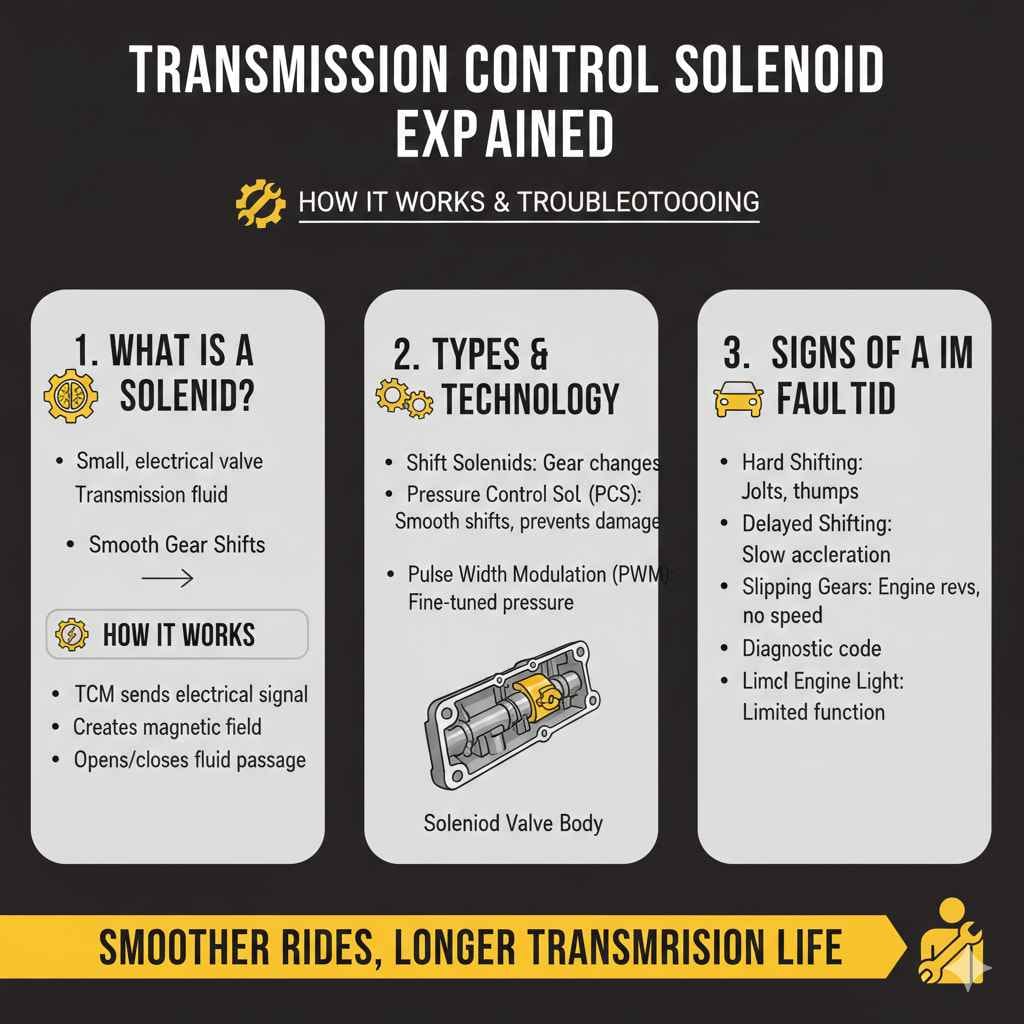
A transmission control solenoid is like the brain of your car’s automatic transmission. It’s a small, electrically controlled valve that helps to regulate the flow of transmission fluid. This regulation allows the transmission to shift gears smoothly and at the correct times. Imagine it as a tiny traffic controller, directing the fluid to the right places to make your car go.
The solenoid receives electrical signals from the transmission control module (TCM). The TCM analyzes data from various sensors, such as vehicle speed and engine load, to decide when to shift gears. Based on these signals, the solenoid opens and closes, allowing the fluid to move into specific passages within the valve body. This action controls the pressure that engages and disengages the clutches and bands, which ultimately changes the gear. Without functioning solenoids, your car’s transmission will have difficulty shifting gears and may even stop working.
How Solenoids Work
Solenoids are essentially electromagnetic devices. Inside each solenoid, there’s a coil of wire wrapped around a core. When an electrical current passes through the wire, it generates a magnetic field. This magnetic field pulls on a plunger or valve, opening or closing the fluid passage. The TCM controls the current, thereby regulating the solenoid’s function.
The speed at which the solenoid operates and the precision of its movement are critical for smooth gear changes. Modern transmissions often have multiple solenoids, each responsible for controlling different aspects of the gear-shifting process. These can include pressure control solenoids (PCS) and shift solenoids.
- Shift Solenoids: These solenoids are responsible for the gear-shifting process. They control the flow of hydraulic fluid that activates the clutch packs, causing the transmission to change gears. Different shift solenoids are engaged to achieve different gear ratios.
- Pressure Control Solenoids (PCS): These solenoids manage the pressure of the transmission fluid. Precise pressure control allows the transmission to shift smoothly without jerky movements or slippage. The PCS is crucial for extending the life of the transmission.
- Pulse Width Modulation (PWM): Many modern solenoids use PWM to regulate the fluid pressure. PWM rapidly turns the solenoid on and off, allowing for more fine-tuned control of the pressure compared to simply opening and closing the valve completely.
- Solenoid Valve Body: The solenoid is often housed within the valve body. This body also contains the hydraulic passages, valves, and other components necessary for transmission function. When replacing the solenoid, the valve body might also need inspection.
Signs of a Faulty Solenoid
Recognizing the signs of a faulty solenoid is important to prevent major transmission damage. Here are some of the common symptoms.
- Hard Shifting: When the solenoids aren’t working right, the transmission might shift gears with a jolt or a thump. This is often the first sign that something is amiss.
- Delayed Shifting: Sometimes, the transmission takes longer than normal to change gears. This is especially noticeable when accelerating or decelerating.
- Slipping Gears: You might feel the engine revving up without the car speeding up. This means the transmission isn’t fully engaging the gear.
- Check Engine Light: A faulty solenoid can trigger the check engine light on your dashboard. A mechanic can use a diagnostic tool to pinpoint the specific problem.
- Transmission Going into “Limp Mode”: If the solenoids fail completely, the transmission might go into “limp mode,” which limits its function to prevent further damage.
Breaking Down the Transmission Control Solenoid Cost: Price Breakdown
The Transmission Control Solenoid Cost: Price Breakdown involves several elements. These include the cost of the part itself, potential labor costs for installation, and any extra parts that might be needed during the repair. The total cost varies depending on the car’s make and model, as well as where you have the work done.
Understanding these different components helps you budget and avoid surprise charges. We will look closely at each area to give you a clear view of what you should expect to pay.
The Cost of the Solenoid Itself
The price of a transmission control solenoid can fluctuate significantly. The make and model of your car are key factors. Luxury vehicles or those with more complex transmission systems may have more expensive solenoids. The quality of the part is also important. Genuine manufacturer parts are usually more expensive, but they may have better quality and fit. Aftermarket parts are available, which could be more budget-friendly. These factors affect the part’s price, from approximately $50 to $500, or more per solenoid.
- Vehicle Make and Model: Solenoids made for particular car brands, such as a high-end or specialized car, tend to be pricier than those for common models.
- Part Quality: Original equipment manufacturer (OEM) solenoids generally cost more than aftermarket solenoids. OEMs guarantee a certain level of performance and fit.
- Number of Solenoids: Some transmissions have a single solenoid, while others have multiple ones. The number required affects the overall part costs.
- Availability: Hard-to-find solenoids may cost more due to limited supply and demand.
Labor Costs for Replacement
The labor costs to
- Shop’s Hourly Rate: Different shops charge different rates for labor. It pays to get quotes from several shops to find the best price.
- Difficulty of Access: Some transmissions are easier to work on than others. If the solenoid is hard to reach, it may take more time.
- Additional Repairs: If there are other problems with the transmission, such as a clogged filter or damaged seals, they will increase the time and cost.
- Diagnostic Time: Before replacing the solenoid, the mechanic needs to diagnose the problem. This can add to the total cost.
Extra Parts and Services That May Be Needed
Besides the solenoid and labor, other parts and services might be required during the replacement. Replacing the transmission fluid, filter, and seals is often needed during the repair process. This can add to the final cost. Always consider these additional expenses.
- Transmission Fluid: It’s often necessary to drain and refill the transmission fluid when replacing a solenoid. The cost depends on the type and quantity of fluid required.
- Transmission Filter: The filter should always be replaced during the solenoid repair. A clogged filter can prevent proper function, potentially damaging the transmission.
- Gaskets and Seals: Replacing the pan gasket and any seals damaged or worn during the repair can ensure a secure and long-lasting fix.
- Valve Body Inspection and Cleaning: If the valve body is removed, a mechanic might recommend cleaning it. This can prevent future issues and extend the transmission’s life.
Comparing Repair Options and Finding the Best Value
When you have a faulty transmission control solenoid, you can decide between different repair options. Choosing the right one depends on your budget, your skills, and what you’re willing to do. Each option has its advantages and disadvantages.
Let’s look at the different choices you can consider to address the Transmission Control Solenoid Cost: Price Breakdown.
DIY vs. Professional Repair
A Do-It-Yourself (DIY) repair can save money on labor costs, but it requires the right tools, knowledge, and time. If you have experience working on cars, replacing the solenoid yourself can save money. Professional repair assures that the job is done correctly, with a warranty on both parts and labor. It can give you peace of mind.
- DIY Repair: If you are comfortable working on cars, DIY is less expensive. However, you will need to buy the part and the necessary tools. You could also run the risk of causing more issues if you make mistakes.
- Professional Repair: Taking your car to a mechanic ensures the job is done by experienced technicians, with a warranty. This provides peace of mind that the repair will be correct.
- Shop Selection: Choose a shop with skilled technicians, fair prices, and a good reputation. Get estimates from multiple shops before making a choice.
Choosing the Right Parts
Your choice of parts will affect the overall repair costs and the performance of your vehicle. Genuine OEM parts, aftermarket parts, and used parts are all available. Each option has different cost and quality implications.
- OEM Parts: These are parts made by the vehicle manufacturer. They fit perfectly and meet high-quality standards but cost more.
- Aftermarket Parts: These are made by different manufacturers. They can be more affordable. Be sure to choose parts from a reputable brand for good performance and dependability.
- Used Parts: Sometimes, used solenoids are an option. They can be very affordable. However, there’s a risk that they could fail again soon. Make sure the used part is in good working order.
Getting Quotes and Comparing Prices
Shop around and compare prices before committing to a repair. This allows you to check out different shops and parts options. You can potentially save money and ensure you get a fair price.
- Get Multiple Estimates: Obtain quotes from various auto repair shops. Be sure the estimates are in writing, and clearly outline the work to be done.
- Ask Questions: When comparing estimates, ask about the warranty on parts and labor. Find out if the prices include all parts, fluids, and services.
- Check Reviews: Read reviews online to learn about other customers’ experiences with the shop. Consider the shop’s reputation and customer service.
Preventive Measures and Maintaining Your Transmission
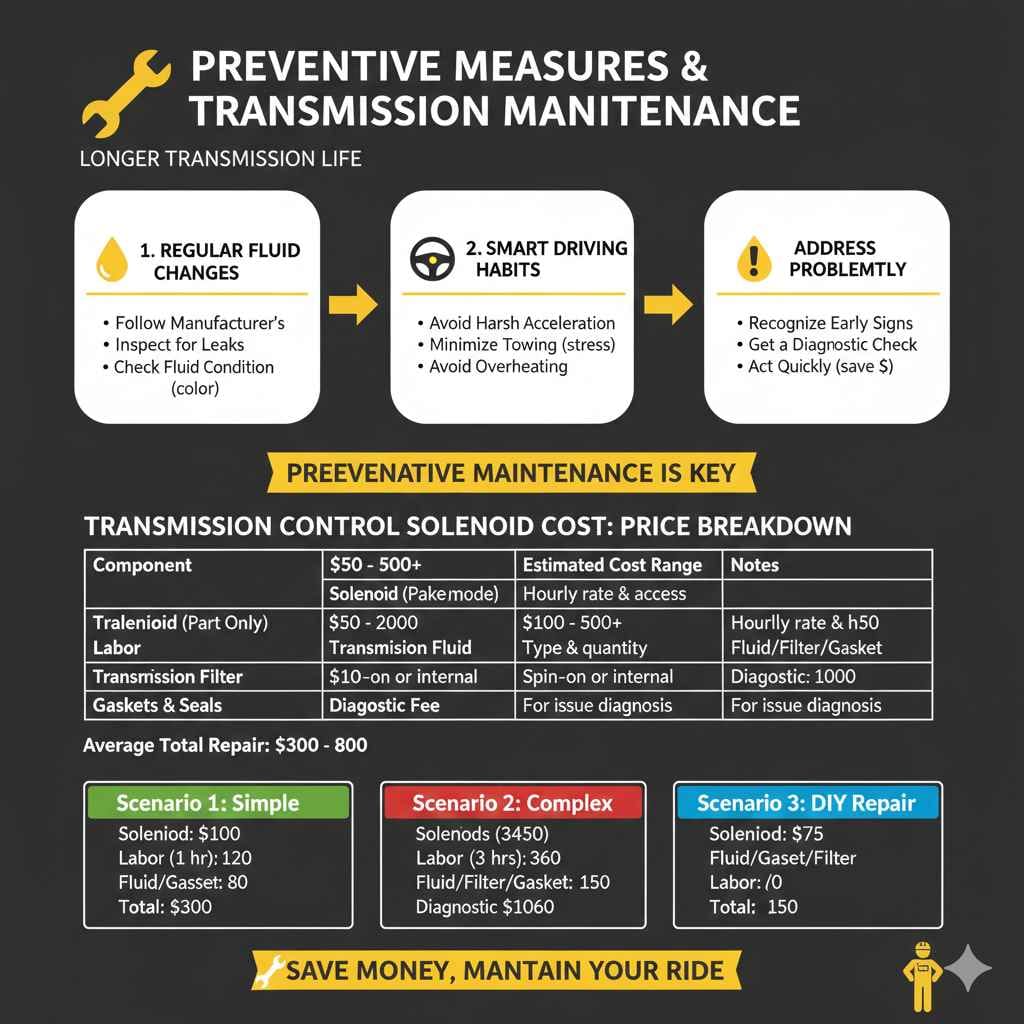
Preventive maintenance can help extend the life of your transmission and prevent solenoid problems. Simple actions can help avoid expensive repairs down the road. Some preventative measures are: regular fluid changes, correct driving habits, and addressing symptoms immediately.
Let’s explore key measures to keep your transmission healthy and lower the risk of issues.
Regular Fluid Changes and Inspections
Changing the transmission fluid at the recommended intervals is essential. It cleans the system, removes debris, and protects the solenoids and other components. Regular inspections can detect early signs of wear and tear, before significant damage occurs.
- Follow the Manufacturer’s Recommendations: Consult your owner’s manual for the correct fluid change intervals and the type of fluid required. Following these recommendations can help extend the life of your transmission.
- Inspect for Leaks: Regularly check the transmission for leaks. Leaks indicate a problem that can lead to low fluid levels and damage.
- Check Fluid Condition: Inspect the fluid level and color. Dark or burnt fluid suggests problems inside the transmission.
Driving Habits to Preserve Solenoid Life
Certain driving habits can put stress on your transmission. They can cause premature wear on the solenoids and other components. Driving more gently can help extend their lifespan.
- Avoid Harsh Acceleration: Quick starts and sudden stops put extra stress on the transmission. Drive smoothly to minimize the strain on the solenoids.
- Minimize Towing: Towing heavy loads can overwork the transmission. If you frequently tow, make sure you maintain your transmission regularly.
- Avoid Overheating: Overheating can damage the transmission and solenoids. Always watch your temperature gauge, and have your cooling system regularly inspected.
Addressing Problems Promptly
When you notice any transmission issues, address them immediately. Delaying repairs can allow minor problems to become major, increasing the overall cost. Seek professional assistance to diagnose and fix any problems immediately.
- Recognize Early Warning Signs: Be aware of signs like rough shifting or strange noises. The sooner you identify the problem, the easier and less expensive it may be to fix.
- Get a Diagnostic Check: If you notice any unusual behavior, take your car to a mechanic for a diagnostic check. This will help identify the cause of the problem.
- Act Quickly: Once the problem is identified, get it fixed as soon as possible. Delaying can lead to more expensive and extensive repairs.
Here’s a table showing the typical Transmission Control Solenoid Cost: Price Breakdown elements. Note: Costs are approximate and may change based on specific factors:
| Component | Estimated Cost Range | Notes |
|---|---|---|
| Solenoid (Part Only) | $50 – $500+ | Price varies based on make, model, and quality of the part. |
| Labor | $100 – $500+ | Dependent on the shop’s hourly rate and the difficulty of access. |
| Transmission Fluid | $50 – $200 | Cost varies with the type and quantity of fluid required. |
| Transmission Filter | $10 – $50+ | Varies depending on whether it is a spin-on or internal filter. |
| Gaskets and Seals | $10 – $50+ | Includes pan gasket, and any seals damaged during the repair. |
| Diagnostic Fee (Optional) | $50 – $150+ | For diagnosing the issue with the transmission. |
According to research, the average Transmission Control Solenoid Cost: Price Breakdown for repair is between $300 and $800. However, this is just a general figure. The price may vary based on many factors. Consider all the elements to find the best value.
Here are some sample scenarios illustrating how the Transmission Control Solenoid Cost: Price Breakdown can vary:
- Scenario 1: Simple
- Scenario 2: Complex
- Scenario 3: DIY Repair. A DIY enthusiast identifies a faulty solenoid and purchases a replacement online for $75. After researching, they decide to do the repair in their garage. They replace the solenoid, pan gasket, and transmission fluid. The total cost is $150.
Frequently Asked Questions
Question: What causes transmission control solenoids to fail?
Answer: Solenoids can fail due to electrical issues, wear and tear, or contamination from debris in the transmission fluid. Regular maintenance, such as fluid changes, can help prevent these problems.
Question: Can I drive my car with a faulty transmission control solenoid?
Answer: You can drive your car with a faulty solenoid, but it is not recommended. It can cause further damage to your transmission. It’s best to have the issue checked immediately.
Question: How long does it take to replace a transmission control solenoid?
Answer: The time to replace a solenoid can vary depending on the vehicle and the difficulty of access. It usually takes between 2 to 6 hours for an expert.
Question: Are aftermarket solenoids as good as OEM solenoids?
Answer: Aftermarket solenoids can work well, but it is essential to choose a reputable brand. OEM solenoids are created to manufacturer specifications, so they guarantee quality and fit.
Question: Can I diagnose a faulty solenoid myself?
Answer: Yes, you can do some basic troubleshooting at home, such as checking for the symptoms of a faulty solenoid. However, a mechanic with specialized equipment is usually required for a full diagnosis.
Final Thoughts
Now, you have a solid view of the Transmission Control Solenoid Cost: Price Breakdown. You’ve seen what affects the price and how to shop for the best value. This information allows you to explore any car repair with a greater sense of confidence. Understanding the price, the labor, and any extra costs is important. You now have the knowledge to discuss your needs with a mechanic and make an informed choice.
Remember that preventative maintenance, such as regular fluid changes and appropriate driving habits, is key to preventing transmission problems. If you do encounter solenoid issues, compare your options and ask questions before proceeding. With some research and care, you can handle the expense and get your car back on the road in good condition. The road ahead is clearer.