
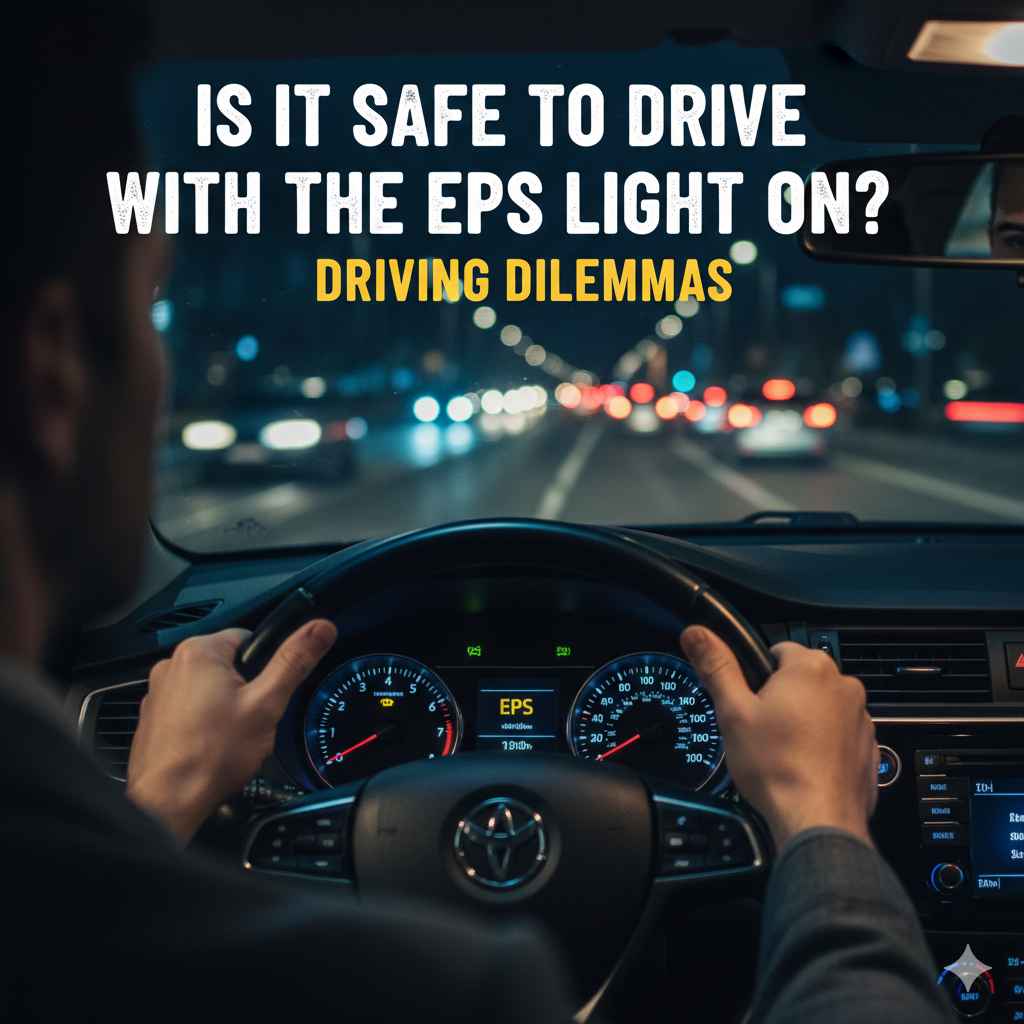
Having the warning lights pop up on your dashboard can be a bit stressful, especially if you’re a new driver. One of the lights that might appear is the EPS light. This light indicates a problem with your car’s Electronic Power Steering system. Many drivers wonder, Is It Safe to Drive With the EPS Light On? Don’t worry! We’ll explore the EPS system in detail and figure out what to do. We’ll break down the possibilities and give you a simple, step-by-step approach to make sure you’re safe. Let’s get started and clear up any worries you have about driving with that light illuminated.
What Is Electronic Power Steering and How Does It Work?
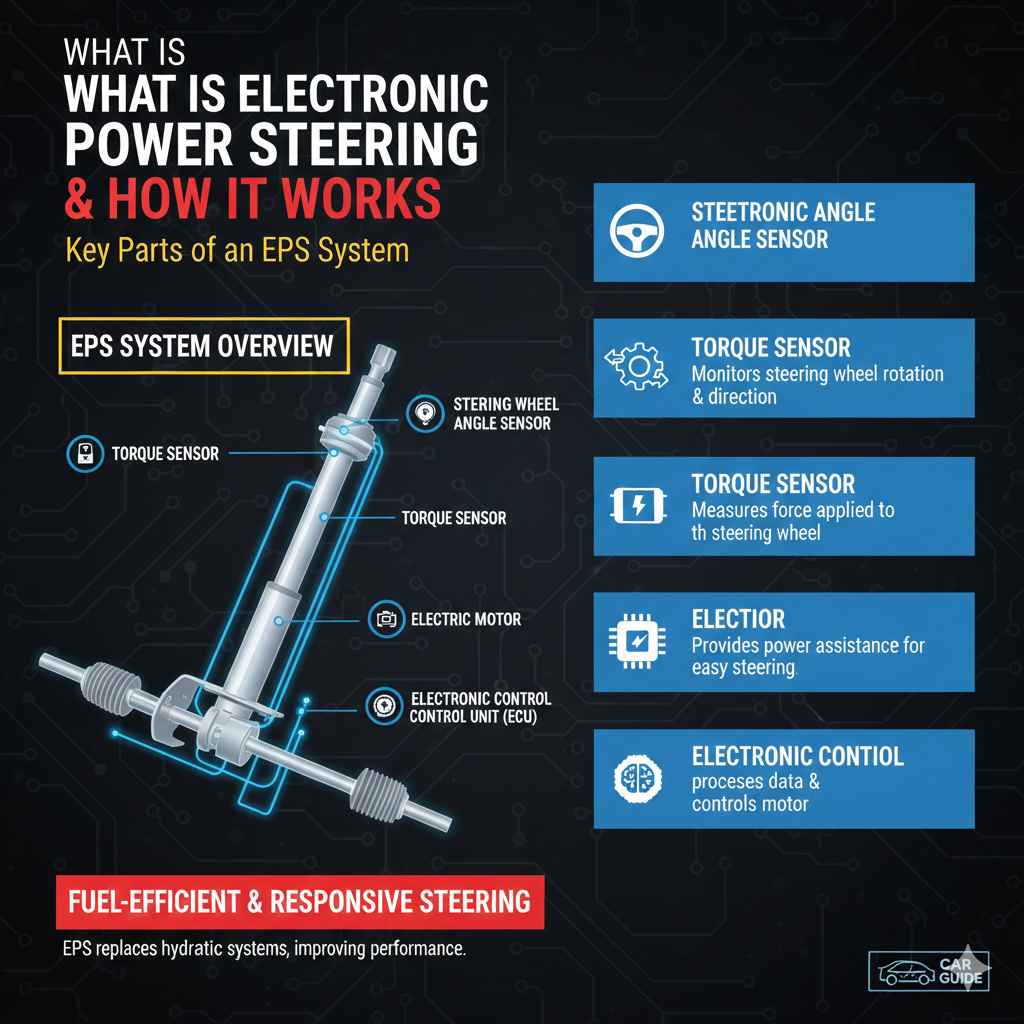
Electronic Power Steering (EPS) is a system in your car that makes it easier to steer, especially at low speeds like when parking. Instead of using a hydraulic system powered by the engine, EPS uses an electric motor to assist you. This is an upgrade in terms of energy efficiency. The EPS system uses sensors that communicate with the car’s computer, gathering data about how fast you’re going and how much you’re turning the steering wheel. This info helps it adjust the amount of power needed to assist you.
The EPS system
Key Parts of an EPS System
Steering Wheel Angle Sensor: This sensor monitors how much you’re turning the steering wheel. It tells the EPS computer the direction and rate of your steering actions.
The Steering Wheel Angle Sensor is a crucial element of the EPS system. It’s designed to measure the rotation of the steering wheel. This is then translated into electrical signals. These signals are sent to the Electronic Control Unit (ECU). The ECU then uses this data, alongside information from other sensors, to determine how much assistance the electric motor should provide. Without accurate data from this sensor, the EPS system cannot work effectively, potentially leading to steering issues or loss of power assistance.
Torque Sensor: It measures the force you’re applying to the steering wheel. It helps the EPS system understand how much effort you’re putting into steering.
The Torque Sensor is another vital part of the EPS system. This sensor measures the amount of force or effort the driver applies to the steering wheel. It works by detecting the twisting force (torque) applied to the steering column. This information is instantly relayed to the Electronic Control Unit (ECU). The ECU uses the torque sensor data to calculate the optimal level of assistance needed from the electric motor. It ensures that the steering feels natural and responsive.
Electric Motor: This motor provides the power assistance to help you steer. It’s activated and controlled by the EPS computer based on sensor data.
The Electric Motor is the muscle of the EPS system. This motor is responsible for actually providing the power assistance that makes steering easier. When the sensors detect that you’re turning the wheel, and the ECU determines assistance is needed, the electric motor kicks in. It then applies the necessary force to the steering system. The motor’s power is precisely controlled. It provides the right amount of assistance depending on factors like speed and driver input. If the motor fails, you could lose power assist.
Electronic Control Unit (ECU): The brain of the EPS system. It receives data from all the sensors and controls the electric motor to provide power assist.
The Electronic Control Unit (ECU) is the central processing unit of the EPS system. The ECU receives information from various sensors, including the steering angle sensor, the torque sensor, and the vehicle speed sensor. The ECU processes this data and determines the appropriate level of power assistance needed from the electric motor. Based on this, the ECU sends signals to the electric motor, controlling its operation. The ECU is programmed to provide different levels of assistance depending on driving conditions, such as parking (more assist) versus highway driving (less assist).
Understanding the EPS Warning Light
The EPS warning light is your car’s way of letting you know something isn’t right with the Electronic Power Steering system. It can pop up for a variety of reasons, ranging from a simple glitch to a more serious issue. The color of the light and its behavior can provide helpful clues. If the light comes on, it’s a good idea to pay attention to your steering and how the car feels.
When the EPS light illuminates, the system may have reduced functionality. This means steering might become heavier or feel different than usual. The car’s computer is designed to go into a fail-safe mode in the event of any malfunction. It can disable or limit the EPS assist. It’s important to handle any changes carefully and not delay getting the system checked out if something feels off. Here’s what you should watch for when this light appears.
Possible Causes of the EPS Light
Sensor Problems: Sensors can get dirty, damaged, or experience electrical issues. This can lead to incorrect readings, triggering the EPS light.
Sensor failures are a common reason for the EPS light to come on. These sensors provide vital information to the Electronic Control Unit (ECU), enabling it to manage the power steering assistance effectively. Any malfunction in these sensors can cause the system to misinterpret driver actions. It may incorrectly provide power assistance. Sensors can fail because of a variety of things. They can be exposed to moisture or dirt, or they can be damaged from physical impact. Regular inspections can help identify sensor problems before they cause major issues.
Electrical Issues: Problems with wiring, connectors, or the car’s electrical system can disrupt the EPS system’s operation.
The EPS system, like any electronic component, relies on a well-functioning electrical system. Issues like corroded wiring, loose connectors, or problems with the car’s power supply can lead to the EPS light activating. For example, a short circuit in the wiring can disrupt the signal flow. It can also cause the EPS system to malfunction. In some cases, the problem may be as simple as a blown fuse. Other times, it could be a more complex electrical issue. A professional inspection is often needed to correctly diagnose these types of issues.
Motor or ECU Failure: The electric motor itself or the ECU could malfunction, causing the light to come on.
Motor or Electronic Control Unit (ECU) failures are more serious causes of the EPS light. The electric motor is a key component. If it malfunctions, it can prevent the power steering assist from working correctly. Likewise, if the ECU, which is the brain of the EPS system, experiences an internal fault, it can’t control the motor properly. These failures often result in a complete loss of power steering assist or a noticeable change in steering feel. Resolving motor or ECU failures requires professional diagnostic tools. The part may have to be replaced or repaired.
Low Battery Voltage: If your car battery is weak, it may not provide enough power to the EPS system.
A car’s battery is essential for powering all the electrical systems, including the EPS. If the battery is weak or has a low voltage, the EPS system may not function properly. The low power supply can lead to the warning light illuminating. It can also cause reduced steering assistance or even complete failure of the EPS. If the battery is old or not maintaining a proper charge, this can happen. If you notice your EPS light on, especially after your car has been sitting for a while, it’s worth checking your battery.
Is It Safe to Drive With the EPS Light On? Safety First
The answer to Is It Safe to Drive With the EPS Light On? is not always straightforward. It depends on several things, like the cause of the light and how the car feels. If the light comes on, it’s a sign that something needs to be checked. It’s important to pay attention to how your car steers. If the steering feels heavier or different than usual, you should take extra precautions.
The primary concern is the potential loss or reduction of power steering assistance. The system might go into a mode where it’s difficult to steer. This is particularly challenging at low speeds. The risk increases if you’re maneuvering in tight spaces or need to react quickly. Driving with the EPS light on can be manageable in many cases. However, it’s always best to be cautious. Let’s explore the precautions you should consider.
Driving Precautions When the EPS Light Is On
Check the Steering Feel: Pay attention to whether the steering feels heavier or more difficult than usual.
Before deciding whether to drive with the EPS light on, it’s vital to assess the steering feel. The primary purpose of the EPS is to make steering easier, especially at lower speeds. If the EPS light is on, the steering may feel significantly heavier. You may also sense more resistance. If you notice a considerable difference in how the steering wheel turns, it’s important to be cautious. It can be hard to maneuver, especially in tight areas. If the steering feels excessively heavy, avoid driving until you get it checked out.
Avoid High Speeds: Reduce your speed, especially on highways or during maneuvers that require quick steering.
When the EPS light is on, adjusting your driving speed is a smart safety measure. Without power assist, or with reduced assistance, controlling the car at high speeds becomes more demanding. Reduced EPS performance can impact your ability to quickly respond to sudden changes, such as avoiding obstacles or making emergency lane changes. Reduce your speed so that you can react more effectively. This will give you more time to adjust to any steering difficulties that may arise.
Increase Following Distance: Maintain a greater distance from the car in front of you to allow for more time to react.
Increasing your following distance is a good idea. This is particularly important when the EPS light is on. A longer following distance allows you more time to react to any unexpected events on the road. It can also give you extra room to adjust your steering if the EPS isn’t working at its best. Maintaining a safe distance provides an added buffer, allowing you more time to navigate and handle steering issues, ensuring better safety.
Avoid Tight Maneuvers: Be cautious when parking, making U-turns, or navigating tight spaces.
Tight maneuvers become much harder when the EPS isn’t fully functional. When parking or making sharp turns, the extra steering effort required can be exhausting. Without assistance, the steering wheel can become difficult to manage. Try to avoid these kinds of maneuvers until you can get the problem fixed. Plan your routes and try to park where it’s easier to navigate. This reduces the risk of straining yourself.
Getting the EPS System Checked
When you see the EPS light, the best thing to do is get your car checked by a professional. A mechanic can diagnose the problem and fix it. They have the right tools and expertise to find out what’s going on. Addressing the problem is better than ignoring it.
A professional inspection is the safest choice. Mechanics can hook up their diagnostic tools to your car’s computer. They can look for any stored error codes. These codes provide clues about what’s triggering the light. They can also test different parts of the EPS system to see if there’s any damage or if parts are working correctly. They can evaluate the issues accurately and come up with the right solution to keep you safe.
What to Expect at the Mechanic
Diagnostic Testing: The mechanic will use special tools to read the codes stored in your car’s computer.
Diagnostic testing is the first step in diagnosing any EPS issue. Mechanics use a diagnostic scanner. This device connects to your car’s onboard diagnostic (OBD) port. The scanner can retrieve specific error codes. These codes provide valuable information about the cause of the EPS light’s illumination. The technician will then investigate the corresponding systems or components. This might include checking sensors, electrical connections, or the electric motor.
Visual Inspection: They’ll visually inspect the EPS system for any obvious damage.
A visual inspection is a critical part of the process. The mechanic will check all visible parts of the EPS system. They’ll look for signs of wear and tear, fluid leaks (if applicable), damage to wiring, or corrosion on connectors. The mechanic might also check the steering rack for mechanical damage or misalignment. By carefully examining the physical components, they can spot issues that a diagnostic tool might miss.
Component Testing: They may test individual components like sensors or the electric motor.
Component testing is designed to determine if each part of the EPS system is working. This might involve using a multimeter to check for the correct voltage or resistance across sensor wires. They might also test the operation of the electric motor by applying power and checking its response. By testing each element of the system, the technician can pinpoint precisely which part is failing. They can then replace it to restore full power steering assistance.
Repairs and Replacement: After diagnosing the issue, the mechanic will perform the necessary repairs or replace faulty parts.
After finding the problem, the mechanic will perform the appropriate repairs. The repairs could range from replacing a damaged sensor to repairing a wiring issue or, in more severe cases, replacing the electric motor or the ECU. The mechanic may also reset the EPS system. This will clear the error codes and turn off the warning light. After the repairs are complete, the mechanic will often test the system to ensure that the steering is working as it should.
Common Problems and Solutions
Many issues can cause the EPS light to come on. Some are simple fixes, while others require more work. Understanding what can go wrong can help you prepare for the possibility of seeing that light. You will also have a better idea of how to deal with it.
The repairs can range from a quick sensor replacement to a more time-consuming electrical repair. A mechanic’s advice can guide you through the process, but here are some common problems and what you can do about them.
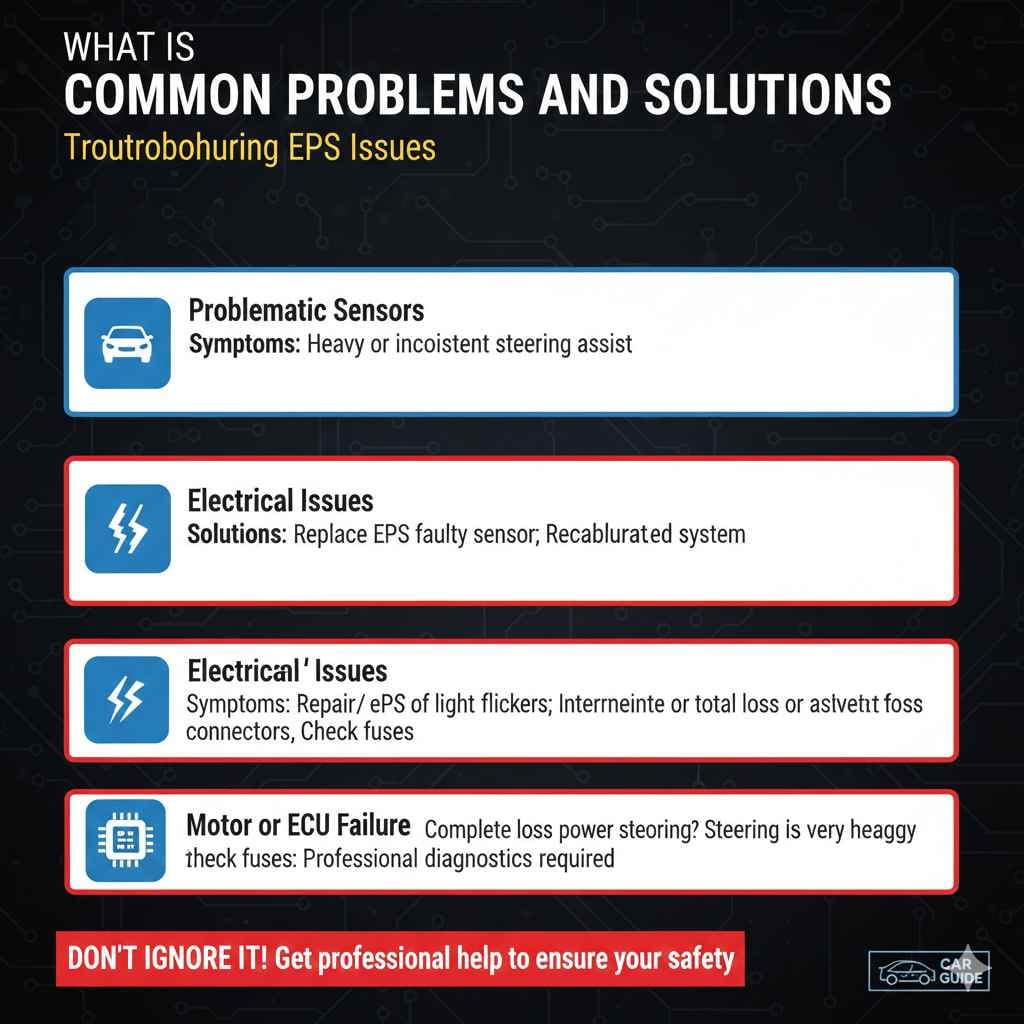
Problematic Sensors
Symptoms: The steering feels heavy, or the steering assist is inconsistent.
Sensor problems often manifest as unpredictable or heavy steering. If the steering feels heavier than normal, it may be a sign that a sensor, like the steering angle sensor or torque sensor, isn’t providing the correct information. Inconsistent steering assistance is another common symptom. You might feel the steering get easier, then harder, which can be disorienting. A mechanic can test the sensors to see if they’re working correctly. If they aren’t, they can replace the faulty sensor.
Solutions: Replace the faulty sensor.
Replacing the malfunctioning sensor will restore proper function. The mechanic will remove the damaged sensor and install a new one. The car’s computer might need to be recalibrated after installing the new sensor. This ensures it communicates effectively with the EPS system. After the sensor is replaced, the mechanic will typically clear the error codes and test the system. This verifies that the steering assistance is back to normal.
Electrical Issues
Symptoms: The EPS light flickers or comes on intermittently, or the steering stops working.
Electrical issues can show up in several ways, from intermittent light flickering to total steering failure. You may notice the EPS light flickering on and off, which can point to loose wiring or a faulty connection. In the most serious cases, the steering assist might stop working altogether. If the wiring harness is damaged, a short circuit might also occur. This can affect the operation of the EPS system.
Solutions: Repair or replace wiring or connectors.
The mechanic will inspect all wiring, connectors, and fuses associated with the EPS system. They will find any corroded or damaged components. They may then repair or replace these parts to restore proper electrical functionality. If there’s a short circuit, the mechanic will locate and fix the problem. They’ll also check that all components are securely connected. This ensures the EPS system gets the power and signals it needs to work effectively. The mechanic will also test the system to ensure the steering assist works properly.
Motor or ECU Failure
Symptoms: Complete loss of power steering assistance, or the steering feels very heavy all the time.
The total loss of power steering assistance is a major symptom of a motor or ECU failure. If the electric motor fails, the steering will feel very heavy and challenging to turn. Another sign could be the steering feeling constantly heavy. The system may not be able to adjust the amount of assist needed. These issues often require professional diagnostics. This is because the problem might be inside a complex component.
Solutions: Replace the motor or the ECU.
If the motor is faulty, replacing the entire unit is usually necessary. If the ECU is malfunctioning, it may also need to be
Frequently Asked Questions
Question: Can I drive my car if the EPS light is on?
Answer: It’s generally safe to drive short distances, but be extra cautious. The steering may be heavier. Get the system checked as soon as possible.
Question: What does the EPS light indicate?
Answer: The EPS light tells you there’s a problem with your car’s Electronic Power Steering system, which assists with steering.
Question: How much does it cost to fix the EPS system?
Answer: The cost varies, but it can range from a few hundred to over a thousand dollars, depending on the problem and parts needed.
Question: Can I fix the EPS light issue myself?
Answer: Some minor issues, like a loose connection, may be easy to fix, but it’s best to have a mechanic diagnose and repair the system.
Question: What should I do if the steering becomes very difficult?
Answer: Immediately pull over to a safe location and turn off the engine. Seek help from a mechanic or roadside assistance.
Final Thoughts
So, Is It Safe to Drive With the EPS Light On? While it’s usually safe for short trips, it is not recommended to ignore the EPS light. The Electronic Power Steering system is a critical feature, designed to make steering easy and safe. When the light turns on, it indicates a problem with the system, which can range from minor sensor issues to more complicated electrical or mechanical failures. Driving with the light on might cause you to have to work harder at steering, especially when parking. The main concern is the risk of having less control. The car may feel heavier or behave unexpectedly.
The best course of action is to have your car checked by a professional as soon as you can. A mechanic can properly diagnose the problem. They can give you peace of mind by getting the steering system fixed and ensuring that you are safe. Paying attention to this warning light is an important step in keeping your vehicle running smoothly and safely on the road. If the EPS light illuminates, get it checked without delay. Your safety on the road depends on it!