
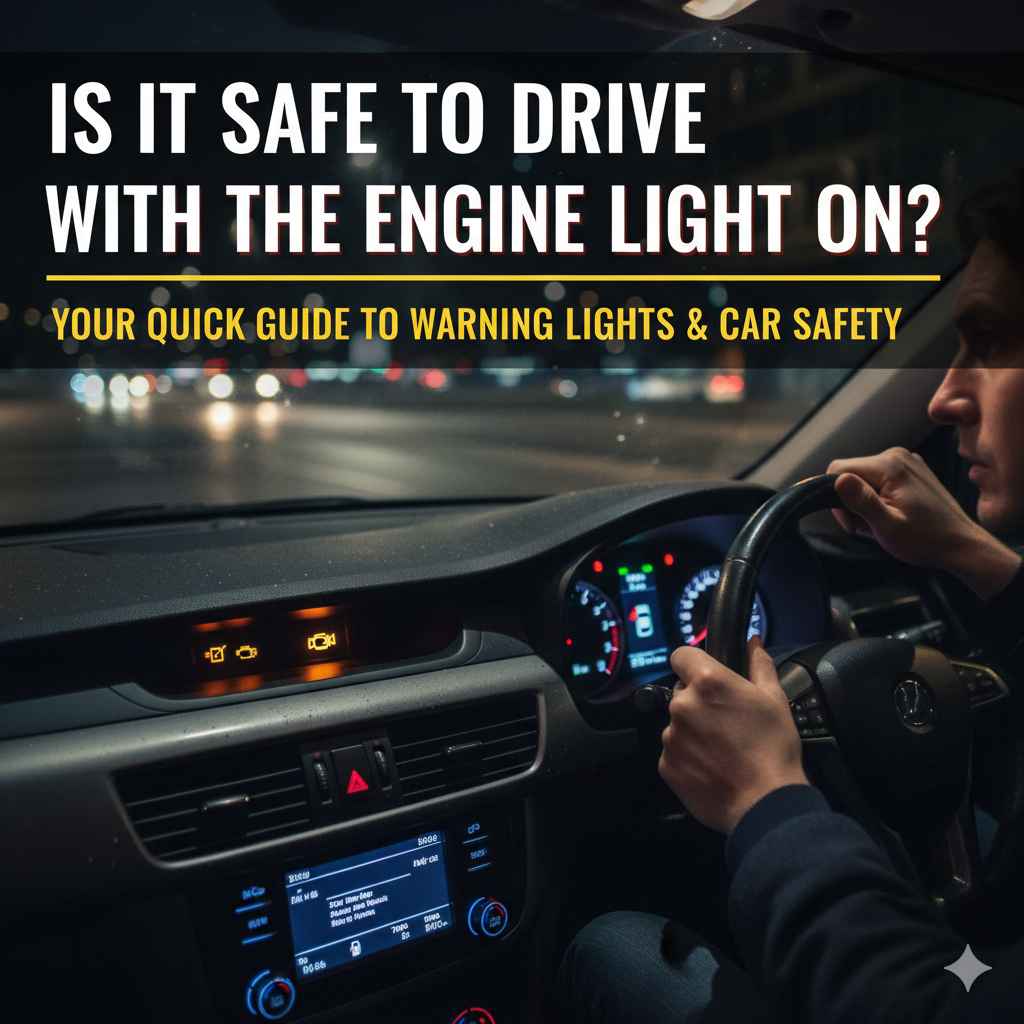
Getting that engine light on can be scary, especially if you’re new to driving. You might be wondering, Is It Safe to Drive With the Engine Light On? Don’t worry, it’s a common worry! This post is here to help. We’ll explore the main reasons why your car might have this warning, and break down what you should do. We’ll give you clear, easy steps to follow so you can deal with the light without stress. Let’s get started!
Why Your Engine Light Comes On
The engine light, also known as the “Check Engine Light” or CEL, is like a little messenger in your car. It tells you there’s a problem with the engine or one of its systems. This light can pop on for lots of reasons, ranging from something small to a more serious issue. The important thing is not to ignore it. The light is triggered by the car’s computer, which monitors various sensors throughout the vehicle. These sensors provide data about things like the engine’s performance, emissions, and more. When something goes wrong, the computer detects it and turns on the light to give you a heads-up.
Some issues cause the light to come on immediately, while others may only appear under specific conditions, like when the engine gets hot or when you’re driving at high speeds. Ignoring this light could lead to bigger, more expensive problems down the road.
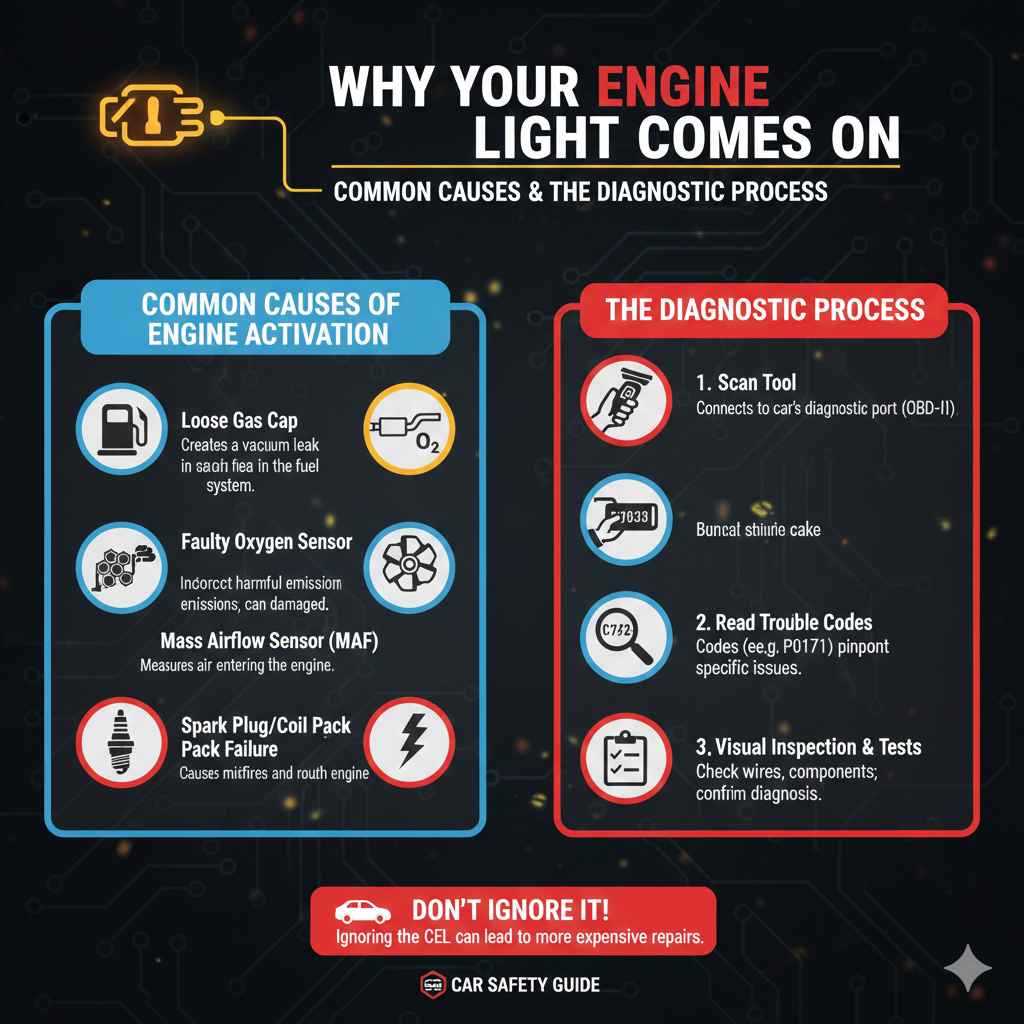
Common Causes of Engine Light Activation
Several factors can trigger the engine light, from loose gas caps to severe engine problems. Here’s a look at some of the most common issues that cause that light to turn on.
- Loose or Damaged Gas Cap: A loose or damaged gas cap is one of the simplest and most frequent reasons for the engine light to appear. The gas cap seals the fuel system, preventing fuel from evaporating and releasing harmful vapors. If the cap is loose or not properly sealed, it can create a vacuum leak, causing the engine light to activate. The car’s computer senses a loss of pressure, which leads to the error. This is a quick fix—just tighten or replace the cap and the light may disappear after a few days of normal driving.
- Faulty Oxygen Sensor: The oxygen sensor (O2 sensor) is a critical component that monitors the amount of oxygen in the exhaust. This information helps the engine control unit (ECU) regulate the fuel-air mixture. A faulty O2 sensor can send incorrect data, leading to a less efficient engine, increased emissions, and a lit engine light. Replacing the oxygen sensor is often necessary. The sensor itself isn’t too expensive, but the labor cost might add up, depending on the car model.
- Catalytic Converter Issues: The catalytic converter is part of the exhaust system and helps reduce harmful emissions from the exhaust. If the converter is damaged or starts to fail, it can trigger the engine light. This problem can result from various things, including the use of low-quality fuel, oil leaks, or other engine problems that put stress on the converter. Replacement of a catalytic converter is a more costly repair.
- Mass Airflow Sensor (MAF) Problems: The mass airflow sensor (MAF) measures the amount of air entering the engine. This data is essential for the ECU to calculate the correct amount of fuel needed for efficient combustion. If the MAF sensor is dirty, damaged, or fails, it can cause the engine to run poorly and activate the engine light. Problems can include rough idling, stalling, and reduced fuel economy. Cleaning or replacing the MAF sensor often resolves the issue.
- Spark Plug or Coil Pack Failure: Spark plugs ignite the air-fuel mixture in the cylinders, and the coil packs provide the voltage needed for the spark plugs to function. If a spark plug or coil pack fails, it can cause misfires, leading to rough engine performance and the engine light turning on. This is more common in older cars or cars that haven’t had regular maintenance. Replacement is usually needed to fix the problem.
The Diagnostic Process
When the engine light turns on, the first step is to figure out why. A mechanic will use a scan tool. The tool connects to the car’s diagnostic port, usually located under the dashboard. This allows the mechanic to read the trouble codes stored in the car’s computer. These codes provide information about the specific problem that triggered the light. For instance, a code might point to a problem with the oxygen sensor, a misfire in a particular cylinder, or an issue with the fuel system.
Besides reading the codes, the mechanic might do a visual inspection, checking for obvious problems like loose wires or damaged components. They’ll also run tests based on the codes to confirm the diagnosis and pinpoint the exact issue. This thorough approach makes sure they can fix the underlying problem.
Driving With the Light On: Risk Assessment
Is It Safe to Drive With the Engine Light On? The answer isn’t always simple, and it depends on what’s causing the light to come on. Some issues are minor and may not cause immediate problems, while others can seriously impact your car’s performance and safety. It’s crucial to understand the potential risks involved so you can make informed decisions about how to proceed. Ignoring the engine light can potentially cause more harm to your car or even put you in a dangerous situation. It’s all about weighing the risks and acting accordingly.
Assessing the Severity of the Issue
The severity of an engine light issue can vary greatly, and recognizing this is important to figure out if it’s safe to drive. Some situations are more critical than others, and your actions will depend on the problem. The best thing is to get your car checked by a professional as soon as possible.
- Imminent Danger: Certain situations signal a critical problem that requires you to stop driving immediately. These include a flashing engine light, which usually means a severe misfire that can damage the catalytic converter or other engine components. Other signs, like significant loss of power, strange noises (like banging or clanking), or a strong smell of fuel, require immediate attention. Driving in these situations can cause serious damage and put your safety at risk.
- Potential Damage: Some issues, like a faulty oxygen sensor or a loose gas cap, might not cause immediate problems but can lead to long-term damage or reduced fuel efficiency. Driving with these issues might not be dangerous, but it’s important to have them fixed quickly to prevent more costly repairs in the future. Ignoring these problems can cause your car to use more fuel and pollute more.
- Monitoring and Delayed Repair: In certain situations, it may be acceptable to drive for a short time while you schedule repairs. This can apply to minor issues, like a gas cap that needs tightening or a minor sensor fault. However, you should still get the problem checked out as soon as possible. The longer you wait, the more likely the problem is to get worse.
Factors Influencing Safety While Driving
A few different factors determine whether or not it’s safe to drive with the engine light on. These include the type of problem, your car’s condition, and your driving habits. Being aware of these factors can help you make a safe decision. If you’re unsure about the problem, it’s always best to err on the side of caution. If the car feels like it’s struggling, or if you notice strange sounds or smells, stop driving and have it inspected right away.
- Vehicle Performance: How your car feels while driving is a key indicator of its health. If you notice a loss of power, rough idling, or other performance issues, the problem might be severe. Avoid driving if the car struggles to accelerate, runs roughly, or feels like it’s about to stall. These are clear signs that something is wrong.
- Traffic Conditions: Consider the environment. High-speed driving or driving in heavy traffic with an unknown engine problem can be risky. If the engine light is on, try to avoid long trips or driving in situations where you might need to make quick maneuvers or rely on full power.
- Your Comfort Level: If you feel uneasy or uncertain about driving with the engine light on, trust your instincts. Safety is the top priority, and if you’re not comfortable, it’s better to avoid driving until the car has been checked by a mechanic.
Taking Action: What To Do Now
Once the engine light turns on, you need to take action. This includes diagnosing the problem, scheduling repairs, and figuring out what you can do while waiting for a repair appointment. Knowing the proper steps to take can prevent more issues. You’ll ensure the safety of both yourself and your car.
Reading the Trouble Codes
The first step in figuring out the problem is to read the trouble codes. These codes are like clues that help mechanics diagnose the issue. There are a few different ways to read these codes. You can use a code reader, which is a small device that plugs into the diagnostic port on your car. Many auto parts stores will read the codes for free. Another option is to have a mechanic read the codes for you. This is always a good idea, as they can also interpret the codes correctly. Understanding the codes helps you understand what’s happening and allows you to make informed decisions about how to proceed.
- Using a Code Reader: Code readers are relatively easy to use. Plug the reader into the diagnostic port (usually under the dashboard), turn on the ignition, and follow the instructions on the device. The code reader will show you the trouble codes. You can then look up these codes online or in your car’s manual to get an idea of the problem. Some code readers will also provide a brief description of the code, so you’ll know exactly what the issue is.
- Visiting an Auto Parts Store: Most auto parts stores offer free code reading as a service to their customers. A store employee can plug the reader into your car and provide you with the trouble codes. This is a quick and easy way to get started. They may also be able to provide advice on the issue. This service is a great way to start figuring out what’s wrong with your car.
- Consulting a Mechanic: The best way to diagnose the problem is to have a mechanic read the codes. They have the equipment and experience to interpret the codes correctly and determine the underlying issue. A mechanic can provide a more in-depth diagnosis. They can also explain the severity of the problem.
Scheduling Repairs and Vehicle Maintenance
Once you know the problem, it’s time to schedule the repairs. Selecting the right mechanic, preparing for the repair process, and keeping up with regular maintenance will help to keep your car running smoothly. This will also ensure your safety on the road.
- Choosing a Reputable Mechanic: Finding a reliable mechanic is important. Look for a mechanic with good reviews and credentials. Ask for recommendations from friends and family. A good mechanic will be transparent, explaining the problem and the needed repairs clearly. They should also provide an estimate of the costs involved.
- Preparing for the Repair: Before dropping off your car, be ready to provide details about the problem. Give the mechanic any information, such as when the engine light came on. Also, any performance issues or sounds that you have noticed. You will also want to make sure you understand the mechanic’s policies. Know their payment options and the estimated time to complete the work.
- Regular Maintenance to Prevent Problems: Regular vehicle maintenance is a must to keep your car in good condition. Keeping up with routine tasks such as oil changes, tire rotations, and checking fluids will keep your car running smoothly. Follow your car’s maintenance schedule. Keeping up with these practices will help prevent problems that can trigger the engine light.
Preventing Future Engine Light Problems
Preventing future engine light problems involves proper car care and knowing about the early warning signs of potential issues. Taking care of your car through regular maintenance and being aware of changes in performance will ensure a longer vehicle lifespan and can help you avoid unexpected issues. This can also save you money on costly repairs.
Best Practices for Car Maintenance
Regular maintenance is a must to keep your car running well and reduce the chances of the engine light coming on. Some simple habits can go a long way in keeping your car healthy. This can also prevent minor issues from becoming major problems. These steps will ensure your car lasts longer and is less likely to break down unexpectedly.
- Following the Manufacturer’s Schedule: The owner’s manual has the best guide to maintenance. It lists all the services your car needs and when it should get them. This includes oil changes, filter replacements, and other routine services. Following this schedule will keep your car running well. It will help prevent many engine problems.
- Regular Oil Changes: Changing your oil and filter regularly is one of the most important things you can do for your car. Oil keeps the engine parts lubricated, reducing friction and wear. Over time, oil can break down and lose its ability to protect the engine. Changing it at the recommended intervals helps keep the engine clean and running smoothly.
- Inspecting and Replacing Fluids: Check and replace your car’s fluids regularly. This includes coolant, brake fluid, power steering fluid, and transmission fluid. Low or contaminated fluids can cause all sorts of problems. Be sure to use the right fluids for your car.
Recognizing Early Warning Signs
Knowing the early warning signs of car problems can help you address issues before they cause the engine light to turn on. Watch out for changes in your car’s performance, unusual noises, or warning lights. Addressing these signs quickly can prevent bigger problems from developing.
- Changes in Performance: Pay attention to how your car drives. If you notice any changes in how it accelerates, idles, or handles, have it checked out. If your car loses power or hesitates when you press the gas pedal, it could be a sign of a problem.
- Unusual Noises: Listen for any unusual sounds. This could include knocking, ticking, or squealing. These sounds could mean something is wrong with the engine, brakes, or other parts of the car. Don’t ignore these sounds, as they may suggest an underlying issue.
- Other Warning Lights: Besides the engine light, watch for other warning lights on your dashboard. These lights can indicate problems with your brakes, airbags, or other systems. When a warning light comes on, have your car checked.
According to the National Highway Traffic Safety Administration (NHTSA), an estimated 48,000 traffic accidents occur each year due to vehicle maintenance issues. This shows how crucial it is to stay on top of your car’s maintenance. In another finding, a recent study by CarMD shows that the average cost to repair a vehicle problem triggered by the engine light is around $400. This reinforces the need for prompt action.
Frequently Asked Questions
Question: What does a flashing engine light mean?
Answer: A flashing engine light usually means a serious problem that could damage your catalytic converter or other engine components. Pull over as soon as it is safe to do so.
Question: How long can I drive with the engine light on?
Answer: It depends on the issue. Some problems, like a loose gas cap, might be okay to drive with for a while, while others require immediate attention. It’s best to have the car checked quickly.
Question: Can I reset the engine light myself?
Answer: You can disconnect the battery for a while to reset the light, but this only clears the code. The underlying problem still exists. This will also erase any other stored data, like radio settings. It’s best to have the problem diagnosed and fixed.
Question: Does the engine light always mean something bad?
Answer: No, the engine light doesn’t always indicate a major problem. It can come on for various reasons, from a loose gas cap to a sensor malfunction. It’s important to get it checked to find out the cause.
Question: Will the engine light affect my car’s fuel economy?
Answer: Yes, in many cases. An engine light can lead to problems like a faulty oxygen sensor or a misfire, which can impact fuel efficiency. Having the issue addressed can improve your car’s fuel economy.
Final Thoughts
So, Is It Safe to Drive With the Engine Light On? As we explored, it’s not a simple yes or no. The engine light can signal different kinds of problems, from minor issues to more serious ones that affect your car’s performance and safety. When the light pops on, the first step is to check it out as soon as possible. Use a code reader to see what’s going on, or take your car to a mechanic for a proper diagnosis. Remember that it’s important to pay attention to your car’s performance and any strange noises. That gives you clues as to how urgent the problem is. Regular maintenance and early detection will help you avoid bigger, more expensive issues down the road. Keep your car running great by taking care of it!