
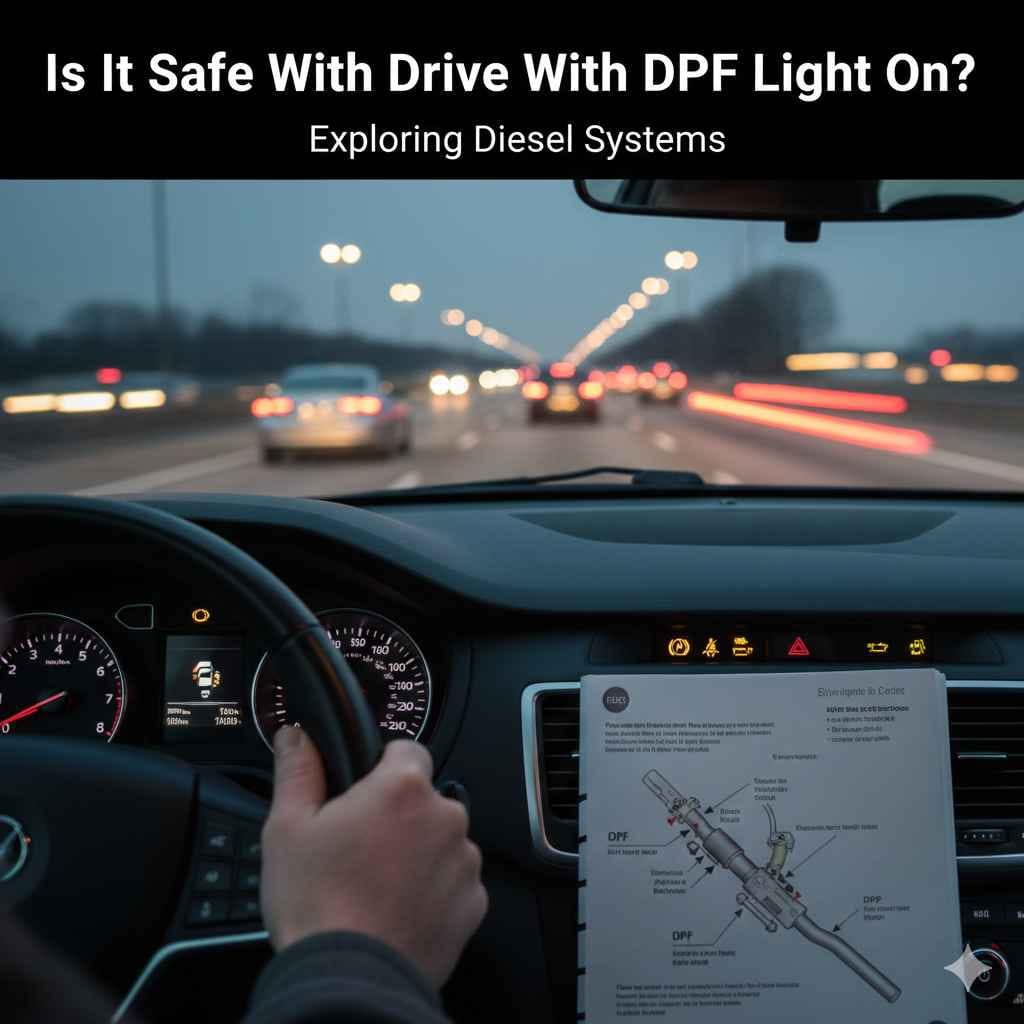
Are you seeing that unsettling DPF light on your dashboard? Many drivers, especially those new to diesel engines, find themselves wondering: Is It Safe to Drive With the DPF Light On? It’s a common concern, and it’s completely understandable to feel a little worried. Don’t worry, you’re not alone! We’re going to break down what that light means, why it matters, and what steps you can take. We’ll explore the diesel particulate filter (DPF), its purpose, and what happens when things go wrong. Let’s explore how to identify and address the problem, providing a clear, step-by-step approach.
What the DPF Does for Your Diesel Engine
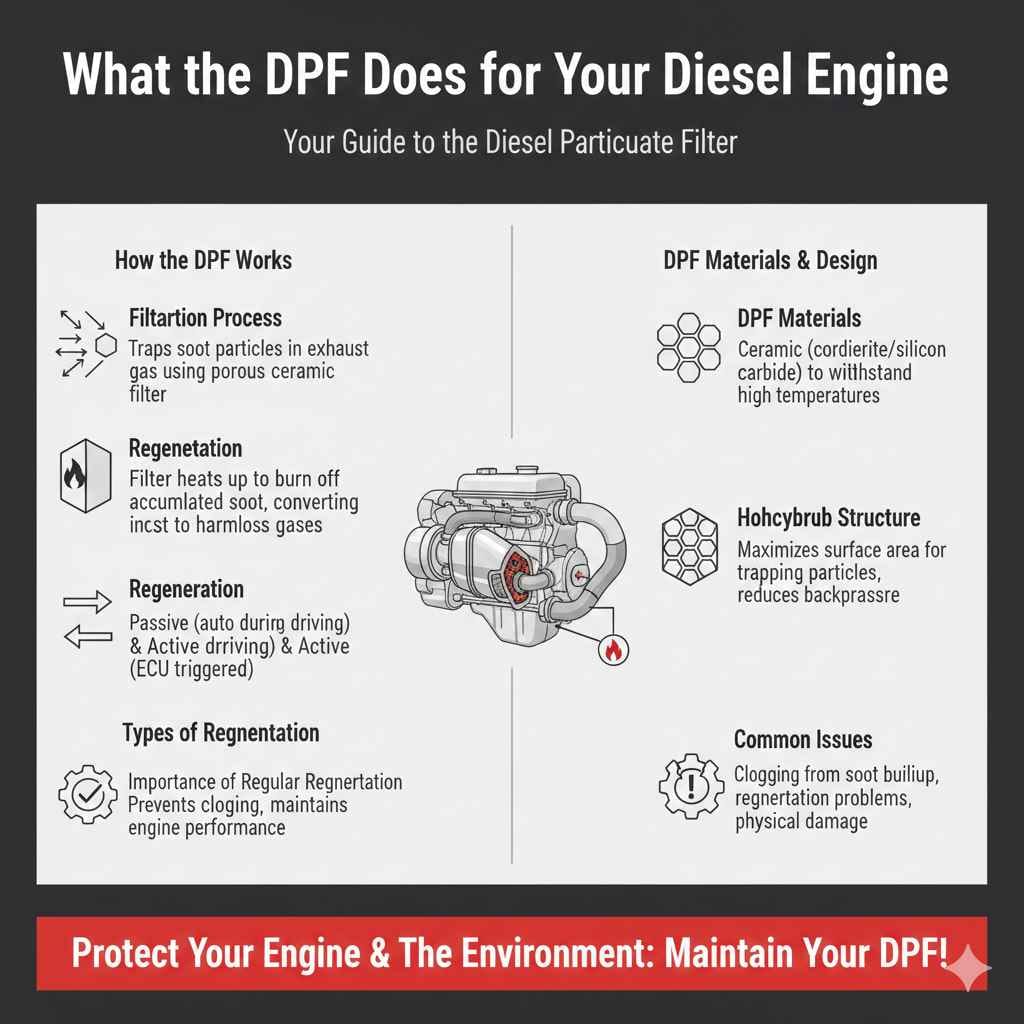
The DPF, or diesel particulate filter, is like a super-powered air filter for your car’s exhaust. It’s designed to catch tiny soot particles, the stuff that comes out of the tailpipe. These particles are a byproduct of burning diesel fuel and, left unchecked, can be harmful to both the environment and your health. Think of it as a crucial part of the engine system that works to keep the air cleaner, similar to how a mask filters the air you breathe. This filter is a key component to reduce emissions, making diesel vehicles compliant with environmental regulations.
The DPF is positioned within the exhaust system, typically close to the engine, where it can capture the soot before it’s released into the air. This process involves a special ceramic material with numerous tiny pores. As exhaust gases pass through these pores, the soot particles are trapped, while the cleaner exhaust is allowed to escape. This helps keep the air cleaner by reducing the amount of tiny particles emitted into the atmosphere. The buildup of soot is handled through a process called regeneration, where the filter is heated up to burn off the trapped particles.
How the DPF Works
The DPF functions through a process of filtration and regeneration. Here’s a closer look:
- Filtration Process: The exhaust gases, filled with soot particles, enter the DPF. These particles get trapped by the filter’s porous structure. The rest of the clean exhaust then escapes. The efficiency of this process is extremely high, with many DPFs removing over 90% of the soot from the exhaust.
- Regeneration: This is the cleaning cycle. When the DPF gets full of soot, the engine’s computer initiates a process to burn off the accumulated particles. This involves increasing the exhaust temperature, allowing the soot to combust into harmless gases. This regeneration happens automatically, or sometimes manually.
- Types of Regeneration: There are two main types. Passive regeneration occurs during normal driving when the engine reaches sufficient temperatures. Active regeneration is triggered by the engine control unit (ECU) when the DPF is full and conditions for passive regeneration aren’t met.
- Importance of Regular Regeneration: Consistent regeneration is necessary to maintain the DPF’s efficiency. Frequent regeneration prevents the filter from becoming clogged and causing issues with the engine’s performance.
DPF Materials and Design
The heart of the DPF is usually made from a ceramic material, such as cordierite or silicon carbide. These materials can withstand extremely high temperatures, critical for the regeneration process where the filter has to heat up to burn off the trapped soot. The structure of the filter is designed to maximize the surface area for trapping particles and allowing for efficient airflow.
The filter material is designed with a honeycomb structure, which provides a large surface area for trapping soot. This design also helps to reduce the backpressure in the exhaust system. The filters are robust, but over time, they can become clogged or damaged. This can be caused by excessive soot buildup, problems with the regeneration process, or even physical damage from impact or extreme temperatures. Knowing about these materials and design aspects helps a driver to appreciate the importance of DPF health.
Understanding Why the DPF Light Comes On
When the DPF light appears on your dashboard, it’s a signal. The light typically signifies that there’s a problem with the DPF or its regeneration process. This could indicate a need for a regeneration cycle, a more serious issue, or even a problem with the sensors that monitor the DPF. It’s a key indicator of your car’s health. The longer you ignore it, the greater the potential for more extensive and expensive repairs.
One primary reason for the light turning on is the accumulation of soot within the DPF. This can result from a number of factors, including short trips that don’t allow for complete regeneration, driving habits, or problems with the fuel system. Understanding the potential causes can help you take action swiftly. The specific cause behind the warning light might be a simple issue like the need for a regeneration cycle, or it could suggest a more serious breakdown. Proper diagnostics are critical.
Common Causes of DPF Light Illumination
Several things can cause the DPF light to light up. Knowing these causes helps you address the problem:
- Excessive Soot Buildup: This is the most frequent reason. It happens when the DPF becomes overloaded with soot particles due to driving patterns, fuel system problems, or incomplete regeneration cycles. If your journeys often involve short trips or city driving, the DPF might not reach the high temperatures needed for regeneration.
- Faulty Sensors: The DPF relies on sensors to monitor its condition. If these sensors fail or give inaccurate readings, they can trigger the warning light. Problems with sensors can lead to incorrect readings.
- Regeneration Cycle Failures: A successful regeneration cycle is important to keep the DPF clean. A failed regeneration can also trigger the light. This might happen due to driving habits, issues with the engine’s systems, or problems with the temperature.
- Fuel System Problems: Issues like injector problems can lead to incomplete combustion and generate more soot. Problems with the engine’s fuel system can increase soot production. This extra soot can quickly clog the DPF.
- Driving Habits: Frequent short trips, low-speed driving, and excessive idling can all contribute to soot buildup. Certain driving styles can cause soot issues more quickly.
The Impact of Driving with a DPF Warning Light
Driving with the DPF warning light on can have several effects on your car. The car’s performance might decrease as the DPF gets blocked. Fuel efficiency might decrease, and, in severe situations, your car could go into what’s known as “limp mode,” limiting speed and power to protect the engine. Ignoring the light can also lead to more expensive repairs, including complete DPF replacement.
If the DPF becomes severely clogged, it can create significant backpressure in the exhaust system. This can affect engine performance and even lead to damage to other components. The engine might struggle to breathe properly, leading to reduced power. It is necessary to address the light’s appearance quickly. Waiting too long can intensify the issue and end up costing a lot more to fix.
Is It Safe to Drive With the DPF Light On?
Is It Safe to Drive With the DPF Light On? The short answer is: it depends. If the light comes on, it’s vital to assess the situation. The immediate consequences and the long-term impact on your car’s engine systems are important. In many cases, it’s safe to drive for a short time, like getting home or to a mechanic. But ignoring the light for a long period can lead to bigger problems.
If the light is accompanied by reduced engine performance or other warning lights, it is not wise to continue driving without consulting a professional. If the light is on, it’s often an indication that the DPF needs attention. If the car is driving okay, it is safe to drive it to a mechanic as long as the trip isn’t too long. It is always wise to seek professional advice to ensure that the engine and related systems are not being damaged.
Immediate Actions to Take
When the DPF light appears, here are some helpful steps:
- Check the Owner’s Manual: Your car’s manual will provide important information on the DPF light. This helps you understand what the light means and provides initial recommendations. The manual might provide specific advice about the next steps.
- Assess Driving Conditions: If possible, go for a drive on the highway. Consistent, higher speeds can sometimes trigger a passive regeneration cycle, helping to clear the DPF. If you can, go for a drive that allows the engine to reach high temperatures.
- Avoid Short Trips: If you need to drive the car, try to avoid short trips that won’t allow the DPF to regenerate. Short, low-speed drives won’t give the engine enough heat to kickstart the cleaning cycle.
- Schedule a Mechanic Visit: Contact a trusted mechanic. They can diagnose the issue, determine the cause, and advise on the necessary repairs or maintenance. Having a mechanic’s advice is a smart move.
- Don’t Ignore Other Warning Lights: If the DPF light is joined by other warning lights or reduced engine performance, stop driving and call for assistance. Multiple warning lights indicate a more serious problem.
Long-Term Driving Implications
If you persistently drive with a DPF issue, you can cause real harm to the engine. The DPF’s job is to trap soot. When it’s blocked, exhaust backpressure increases, putting stress on the engine and its components. This can lead to decreased engine performance, decreased fuel efficiency, and a shortened engine life. Additionally, a damaged DPF can be costly to replace.
Ignoring the DPF light can lead to problems with other engine components, such as the turbocharger and exhaust system. The constant stress caused by a blocked DPF can cause these parts to fail, leading to more extensive and costly repairs. To avoid these problems, it is crucial to handle DPF issues promptly.
Solutions and Preventive Measures for Diesel Particulate Filters
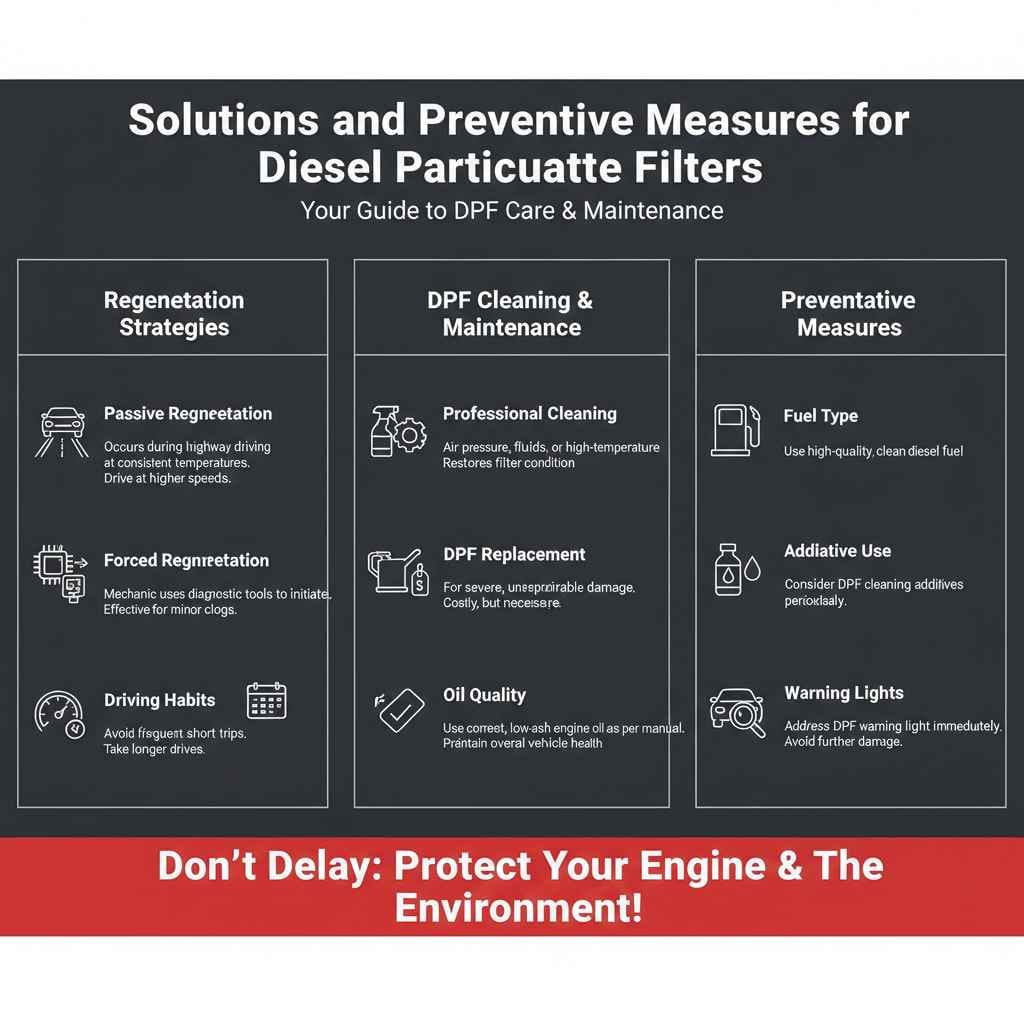
Dealing with a DPF issue requires a proactive approach. Addressing the cause of the problem and taking preventive measures can help keep the DPF in good condition and ensure your car runs smoothly. Regular maintenance, proper driving practices, and timely action when warning lights appear are all critical.
The solution depends on the source of the problem. Simple issues might be fixed with a forced regeneration cycle. More complex problems, like a blocked DPF, might require professional cleaning or even replacement. Regular check-ups and maintenance are critical. Driving habits and overall car care also play a major role in DPF health.
Regeneration Strategies
Regeneration is the most common solution. You can attempt a manual regeneration if you know how to do it. But it’s often best left to the professionals. They have the tools and expertise needed to perform the regeneration safely and effectively. Another thing to consider is to modify your driving style to help the car naturally regenerate the DPF.
- Passive Regeneration: Occurs automatically when the engine is running at a consistent temperature, typically during highway driving. Drive at higher speeds to help trigger this process.
- Active Regeneration: This is triggered by the ECU when the DPF is full. A mechanic may be able to force a regeneration cycle.
- Forced Regeneration: Your mechanic might have to perform a forced regeneration. This involves using diagnostic equipment to initiate the regeneration process manually. This is a common and effective method to clean the DPF, often resolving minor issues.
- Driving Habits and Regeneration: Frequent short trips can prevent the DPF from reaching sufficient temperatures for regeneration. Change your driving style and take longer drives to assist.
DPF Cleaning and Maintenance
If regeneration isn’t enough, your mechanic might need to clean the DPF. This involves removing the soot and ash accumulated inside the filter. If you take good care of the DPF, it should last for a long time.
- Professional Cleaning: Several methods are used to clean a DPF, including air pressure, specialized cleaning fluids, or high-temperature ovens. A professional cleaning can often restore the DPF to near-new condition.
- DPF Replacement: In severe cases, where the DPF is badly damaged or clogged beyond repair, replacement is necessary. This is a costly repair. Following the care and maintenance will allow the filter to last longer.
- Oil Quality: Using the correct type of engine oil is crucial. Some oils can damage the DPF, so consult your car’s manual. Using the wrong oil can cause irreversible damage.
- Regular Check-ups: Regular check-ups with your mechanic will help catch DPF problems early. Regular check-ups and maintenance keep your diesel vehicle in good condition.
Frequently Asked Questions
Question: What does the DPF light look like?
Answer: The DPF light usually looks like a small exhaust pipe with dots inside. It’s an international symbol, so it is often the same, no matter the car manufacturer.
Question: How often should I get my DPF checked?
Answer: It’s wise to have your DPF inspected during regular service intervals, which are usually every 12 months or 10,000 to 15,000 miles, but this can vary. Early detection is a good defense against expensive repairs.
Question: Can I remove my DPF?
Answer: Removing a DPF is illegal in many places. It also makes your car’s emissions non-compliant. A DPF is necessary for cleaner air.
Question: What type of fuel should I use to help the DPF?
Answer: Always use the type of fuel recommended by your vehicle manufacturer. High-quality diesel fuel and specific additives can help keep your engine in optimal condition. Using the right fuel is crucial.
Question: Does my driving style impact the DPF?
Answer: Yes. Frequent short trips, low speeds, and excessive idling can lead to soot buildup. Try to vary your driving and take longer trips to help with regeneration.
Final Thoughts
When the DPF light shows up, it’s a sign that your diesel engine requires attention. Is It Safe to Drive With the DPF Light On? The answer varies, depending on the severity of the issue, but it is wise to address the problem sooner rather than later. You’ve now explored the essential facts about the DPF, how it operates, and why the light might come on. Remember to stay calm and consider the practical steps you can take. Early detection and prompt action are key to keeping your diesel vehicle in excellent shape and preventing expensive repairs.
If the DPF light appears, take the right steps, and see a mechanic if necessary. Maintaining your vehicle correctly will save you money and ensure your diesel car performs well for a long time. Remember, regular maintenance, correct driving habits, and a willingness to seek professional help are your best tools in maintaining a healthy and functioning DPF system. Keeping your DPF in top condition will help maintain the life of your diesel engine.