
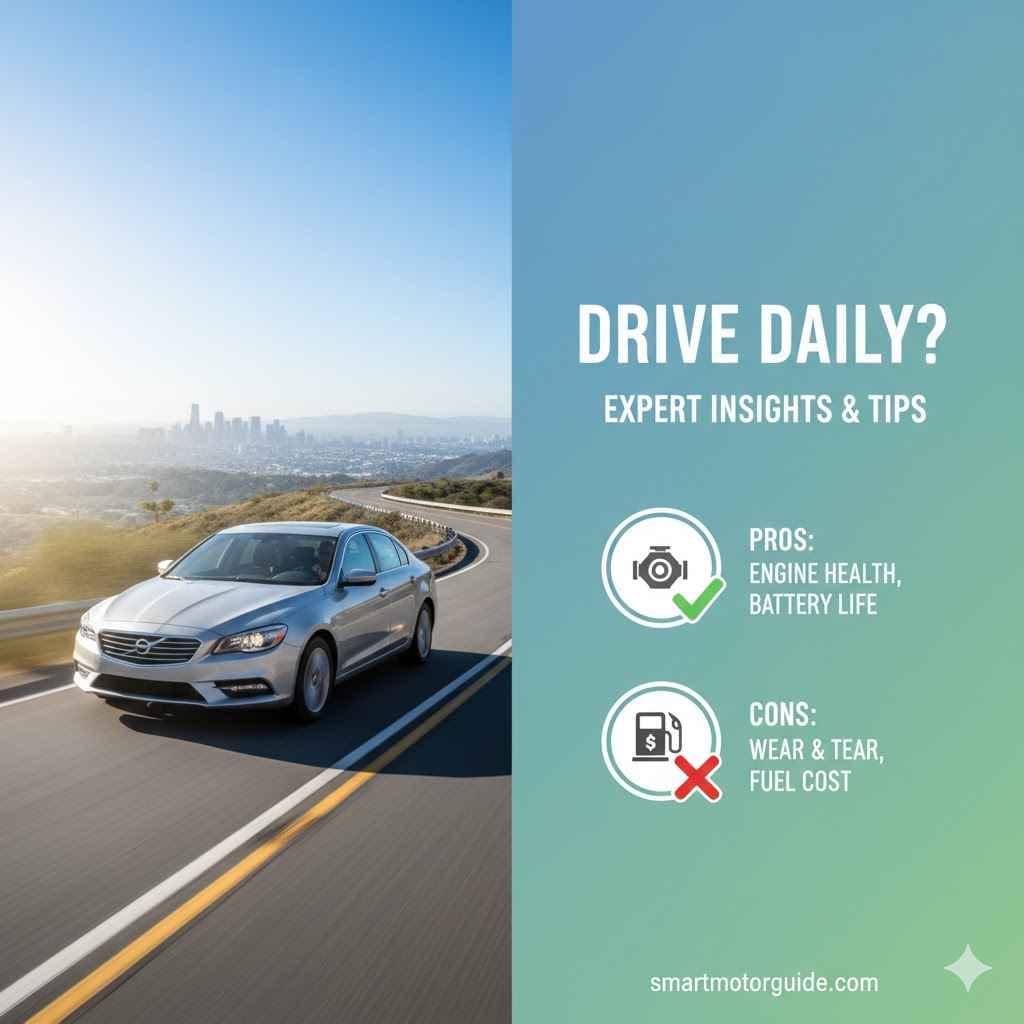
Driving is a daily routine for many people, but not everyone stops to ask: is it good to drive your car every day? Some believe regular driving keeps a vehicle in top condition, while others worry about wear and tear, higher costs, or even environmental impact. The reality is not black and white. Your driving habits, the type of car, where you live, and even how you maintain your vehicle all play a role. By understanding both the benefits and drawbacks, you can make smarter decisions for your car, your wallet, and your peace of mind.
Let’s explore every angle of this important question. We’ll look at how daily driving affects your car’s health, your own safety, your finances, and even the world around you. You’ll also find expert tips to balance convenience with smart car care.
Whether you’re a new driver, a car enthusiast, or just want to get the most from your vehicle, this guide will help you see the full picture.
The Mechanical Impact Of Daily Driving
Your car is a machine made to move, but how does daily use really affect it?
Benefits For The Engine And Components
Starting and running your car every day helps keep key systems in working order. Engine fluids circulate, lubricating moving parts and reducing the risk of corrosion or buildup. Regular use ensures the battery gets recharged, preventing it from losing power or dying. The brakes and transmission get regular exercise, which can stop them from seizing or sticking.
Modern cars, especially, are designed for frequent use. Unlike old engines that suffered if not “broken in” properly, today’s cars benefit from routine driving. For example, gaskets and seals stay moist, reducing leaks, and the air conditioning system stays clean of mold and bacteria as air flows through it.
Risks Of Wear And Tear
There’s a catch: every mile you drive contributes to the slow aging of your car. Tires wear down, brake pads get thinner, and engine oil becomes less effective over time. Daily stop-and-go traffic is especially hard on the transmission and clutch (for manual cars). Even short trips can cause more harm than good, as the engine might not warm up fully, which increases the chance of moisture buildup and oil dilution.
If you drive on poor roads or in harsh climates, the effects are even stronger. Suspension parts and steering systems take more hits, and road salt or dust can speed up rust and damage.
Maintenance Patterns: Daily Use Vs. Occasional Use
Cars that are used daily often show more predictable wear. You’ll notice when the brakes feel different, or when the engine sounds strange. This can make it easier to catch problems early and keep up with scheduled maintenance.
Infrequent driving, by contrast, brings its own risks. Cars left unused for weeks may develop flat spots on tires, dead batteries, or stale fuel. Seals may crack, and rodents can nest in the engine bay. In fact, mechanics often see more strange problems with cars that are rarely driven.
Financial Implications Of Daily Driving
Driving every day can be convenient, but how does it hit your wallet?
Fuel Costs
Fuel is one of the biggest ongoing costs for daily drivers. The more you drive, the more you pay at the pump. According to the U.S. Bureau of Transportation Statistics, the average American drives about 13,500 miles per year, spending over $2,000 on fuel alone. If you have a less fuel-efficient vehicle or face high gas prices, this number can be much higher.
Maintenance And Repairs
Regular use means regular maintenance. Oil changes, tire rotations, and brake checks become more frequent. Over time, daily driving can lead to big repairs—timing belts, water pumps, or transmissions—that might not be needed as soon if you drove less.
However, letting your car sit idle can also cause costly issues. A dead battery or clogged fuel injectors can lead to expensive repairs. Routine driving helps avoid some of these, but the balance is key.
Depreciation And Resale Value
The more you drive, the lower your car’s value—at least in most cases. Mileage is a major factor in resale or trade-in offers. A three-year-old car with 80,000 miles will sell for less than one with 30,000 miles, even if both look perfect.
But there’s another side. Cars with very low mileage for their age can raise red flags for buyers. They may worry about dry seals or fuel issues from lack of use. Well-maintained daily drivers, with service records, often sell faster than cars that have sat unused.
Here’s how daily driving compares to occasional use:
| Factor | Daily Driving | Occasional Driving |
|---|---|---|
| Maintenance Predictability | Consistent, easier to track issues | Potential for sudden, unexpected problems |
| Resale Value | Lower, due to higher mileage | Possible concerns about long-term inactivity |
| Repair Costs | Steady, scheduled maintenance | Risk of larger, surprise repairs |
Insurance Costs
Some insurance companies set your rates based on how much you drive. Daily driving increases your risk, so you might pay more. However, some insurers offer “usage-based” plans, where you can prove your careful habits and possibly save money.
Effects On The Environment
Every car journey produces emissions and uses resources. But how big is the impact of daily driving?
Air Pollution And Carbon Footprint
Each time you drive, your car emits carbon dioxide (CO₂) and other pollutants. According to the Environmental Protection Agency (EPA), the average car emits about 4.6 metric tons of CO₂ every year. If you drive every day, your personal carbon footprint grows quickly.
Short trips are especially polluting. Cold engines run less efficiently and produce more emissions until they warm up. Frequent, short journeys can actually be worse for air quality than fewer, longer trips.
Resource Use: Fuel, Tires, And More
Daily driving uses more than just fuel. Tires wear out faster and end up in landfills. Oil and other fluids must be changed more often, adding to waste. If you replace your car more quickly due to high mileage, the environmental cost of building new cars also rises.
New Technologies And Greener Choices
Modern cars are cleaner than ever. Hybrid and electric vehicles have much lower emissions, and some cities encourage their use with tax breaks or free parking. If you must drive every day, choosing a more efficient car can reduce your impact.
If you’re interested in reducing your carbon footprint, you can find more information on the EPA’s website: EPA Green Vehicles.
Personal Health And Safety
It’s easy to focus on the car, but what about the driver? How does daily driving affect your life?
Physical Health
Sitting in a car every day can lead to back pain, stiff muscles, or even weight gain. Long commutes are linked to higher blood pressure and stress. Getting out, stretching, or walking part of your journey can make a big difference.
Mental Wellbeing
For some, driving is relaxing or a time to enjoy music or podcasts. But for many, daily traffic, noise, and delays cause stress and frustration. Studies show that long, stressful commutes can reduce job satisfaction and even affect relationships.
Safety On The Road
More time on the road means more exposure to accidents. The National Highway Traffic Safety Administration (NHTSA) reports that the risk of accidents increases with time spent driving, especially during peak hours or in bad weather.
However, regular drivers often develop better road skills and awareness. Familiarity with your route can make you safer, as long as you stay alert and avoid distractions.
Comparing Types Of Daily Driving
Not all daily driving is equal. Urban commutes, rural roads, and highway drives affect your car and your experience in different ways.
City Vs. Highway Driving
City driving involves frequent stops, slow speeds, and lots of gear changes. This is tough on brakes, the transmission, and fuel efficiency. Highway driving, on the other hand, is smoother and easier on most parts, but covers more miles—so tires, engines, and fluids still wear out over time.
Here’s a simple comparison:
| Aspect | City Driving | Highway Driving |
|---|---|---|
| Brake Wear | High (lots of stopping) | Low (steady speed) |
| Fuel Efficiency | Lower | Higher |
| Engine Stress | Higher (stop-start cycles) | Lower (consistent running) |
| Accident Risk | Higher (more traffic, intersections) | Lower (but accidents are often more severe) |
Short Trips Vs. Long Drives
Short, frequent trips can be surprisingly hard on your car. The engine doesn’t get hot enough to burn off condensation, leading to moisture in the oil and exhaust. Long drives allow everything to warm up properly, which is healthier for most engines.
Weather And Climate Effects
Daily driving in hot, cold, or wet climates brings extra challenges. In cold weather, batteries and fluids struggle. In hot climates, tires and cooling systems wear faster. Humid or salty air can cause rust.
Common Mistakes Daily Drivers Make
Even experienced drivers can fall into bad habits. Here are mistakes to avoid if you drive every day:
- Ignoring regular maintenance: Skipping oil changes or brake checks can lead to expensive repairs.
- Driving short distances only: This can cause engine problems over time. Try to include longer drives when possible.
- Overloading the car: Carrying heavy loads every day stresses the suspension and reduces fuel efficiency.
- Neglecting tire care: Underinflated or worn tires are dangerous and costly.
- Forgetting to clean the car: Dirt, salt, and debris can cause rust and damage paint.
- Ignoring warning lights: Dashboard alerts should not be ignored; they’re a sign something needs attention.
- Bad driving habits: Aggressive acceleration, hard braking, and speeding all add unnecessary wear.
- Not checking fluid levels: Oil, coolant, and brake fluid must be topped up regularly.
- Leaving maintenance records incomplete: A full record helps with repairs and resale value.
- Letting the car idle too long: Extended idling wastes fuel and damages the engine.
How To Keep Your Car Healthy If You Drive Daily
You can enjoy the benefits of daily driving while minimizing the downsides. Here are some practical tips:
- Follow the maintenance schedule in your owner’s manual. Don’t skip services, even if the car seems fine.
- Drive gently. Avoid hard starts, sudden stops, and sharp turns.
- Check your tires weekly for pressure and tread depth.
- Listen for strange sounds. Squeaks, knocks, or rattles often signal a problem.
- Keep your car clean, inside and out. This prevents rust and keeps you comfortable.
- Use quality fuel and fluids. Cheap oil or gas can cause problems.
- Warm up the engine for a minute in cold weather, but don’t let it idle for long periods.
- Plan occasional longer drives if you mostly take short trips.
- Inspect belts and hoses every few months.
- Watch for leaks under the car, especially after it’s parked overnight.
Many drivers miss the importance of checking battery health and air filters. Modern cars use more electronics, so battery issues are more common. Dirty air filters reduce performance and fuel economy, so change them regularly.
When Is It Better Not To Drive Every Day?
While daily driving can be good for your car, sometimes it’s smarter to leave it parked:
- If you only need to travel a short distance, walking or cycling is healthier and greener.
- If your car will sit unused for weeks, start it every few days and take a short drive to keep everything working.
- If weather is dangerous—icy roads, flooding, or storms—avoid driving and keep your car safe.
- If you’re ill, tired, or stressed, consider other transport. Driving when distracted or unwell increases accident risk.
The Future: How Daily Driving Is Changing
The world of cars is evolving. Electric vehicles (EVs) have fewer moving parts and don’t need oil changes. They handle daily driving differently—batteries prefer regular, moderate use, but extreme heat or cold can reduce their lifespan.
Public transportation and ridesharing are also changing how people get around. In big cities, owning a car is less necessary, and occasional driving might be better for your budget and the environment.
Remote work is another trend. Millions now work from home, driving less but sometimes struggling with cars that sit unused. In these cases, occasional use, combined with regular maintenance, is the smart choice.
Real-world Stories: What Drivers Experience
Let’s look at a few examples:
- Maria, who drives 20 miles every day to work, finds her car lasts longer than her neighbor’s, who leaves his car parked for weeks. Regular use keeps her battery strong and fluids moving.
- James drives only on weekends. His car needed a new battery and brake repairs after sitting unused during a long holiday.
- Li, living in a city, uses public transit but drives his car for errands once a week. He schedules a monthly long drive to keep it healthy.
These stories show that daily driving has both benefits and risks. The key is balance: regular use, good maintenance, and smart habits.
Frequently Asked Questions
Does Driving Every Day Wear Out My Car Faster?
Daily driving does add miles and increases wear, but it also keeps your car’s systems in regular use. With good maintenance, a daily-driven car can last as long or longer than a car that sits idle for long periods.
Is It Bad To Only Drive Short Distances Every Day?
Short trips can be tough on your engine because it doesn’t fully warm up. This can cause moisture buildup and reduce oil performance. Try to include some longer drives each week to keep your car healthy.
How Often Should I Service My Car If I Drive Daily?
Follow the schedule in your owner’s manual, usually every 5,000 to 10,000 miles for oil changes and regular checks for brakes, tires, and fluids. More frequent checks are smart if you drive in tough conditions or cover many miles.
Will My Insurance Cost More If I Drive Every Day?
Some insurance companies charge higher rates for daily drivers, as more time on the road means higher risk. However, usage-based plans may offer discounts if you drive carefully, even if you drive often.
What’s Better For My Car: Daily Short Trips Or Occasional Long Trips?
Occasional long trips are usually better for the engine, as everything reaches proper temperature and stays lubricated. If you must drive short trips daily, try to add a longer drive when possible.
Driving your car every day brings both benefits and challenges. With smart habits, regular maintenance, and the right vehicle choice, you can enjoy convenience without sacrificing your car’s health—or your own. Always weigh your needs, the condition of your car, and your lifestyle.
Smart driving is about balance, not just routine.