

Many car fans wonder, How to Make Your Car Sound Like a Muscle Car. It’s super common to want that powerful rumble! Sometimes, it seems hard because there are so many options and words like exhaust systems can sound confusing. But don’t worry! This guide will break it down in simple steps. We’ll explore simple ways to change your car’s sound and get that sweet muscle car growl. Let’s get started!
What Makes a Muscle Car Sound Special?
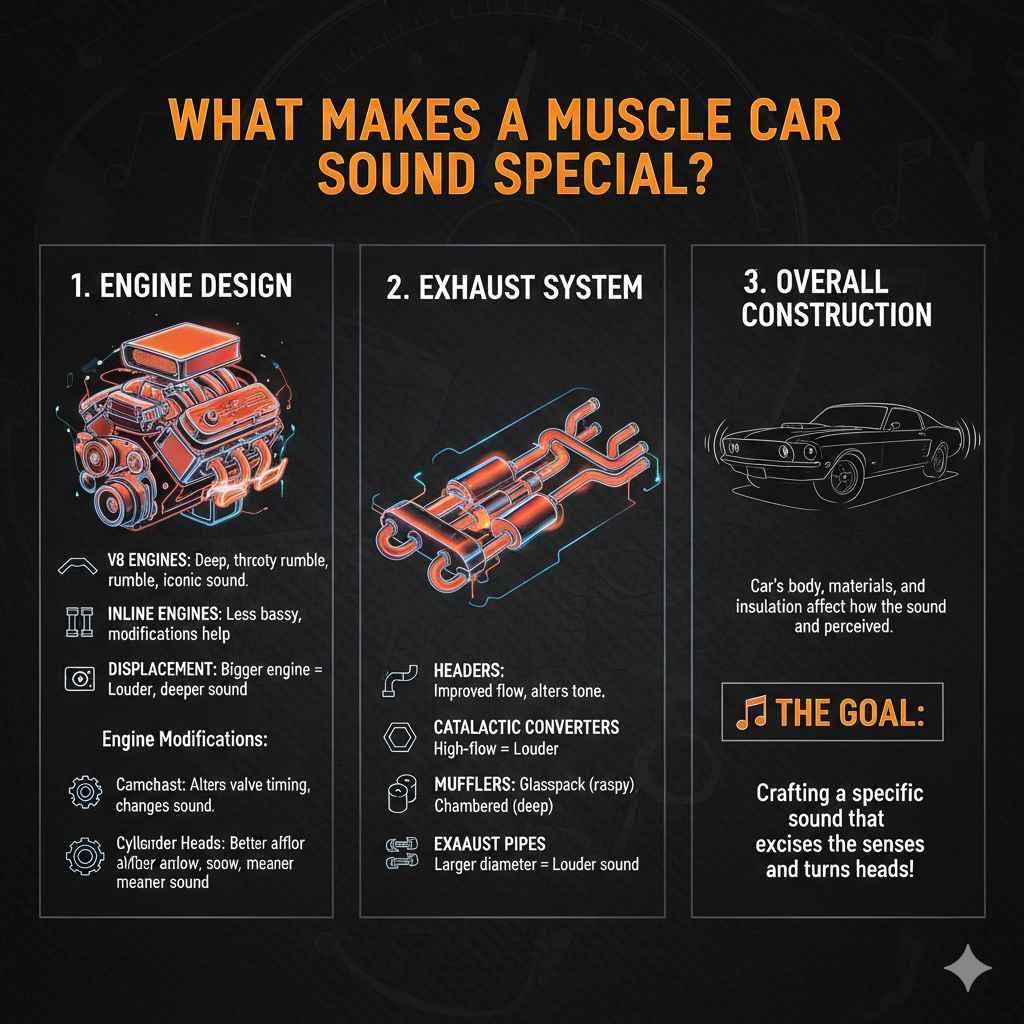
The distinctive sound of a muscle car is a big part of its appeal. It’s more than just loud; it’s a deep, throaty rumble that signifies power and performance. This sound is created by several key components working together. It’s a combination of the engine design, the type of exhaust system, and the overall construction of the car. The goal isn’t just to make noise; it’s about crafting a specific sound that excites the senses and turns heads. Think about classic cars like the Ford Mustang or the Chevrolet Camaro; the sound is as iconic as their looks.
The engine design is a starting point. Muscle cars often have engines with a large displacement, meaning they have more room for fuel and air. This results in more explosions in the cylinders, contributing to the aggressive sound. A car’s exhaust system, which manages the gases leaving the engine, plays a massive role in shaping the sound. The headers, the catalytic converter (if your car has one), the pipes, and the muffler all work to affect the sound’s tone and volume. These components can be modified to create a deeper, more resonant sound.
Engine Types and Their Impact
Different engine types have different sonic signatures. For example, a V8 engine, with its eight cylinders firing in a specific sequence, produces a deep, powerful rumble. Inline engines, like those with four or six cylinders, create a different sound, often less bassy and lower in volume. The firing order—the sequence in which the cylinders ignite—also influences the sound. Engineers carefully design firing orders to optimize performance and create a unique sound.
- V8 Engines: These are the classic muscle car engines, known for their powerful, throaty sound. The ‘V’ shape of the engine and the firing sequence contribute to the distinctive rumble.
- Inline Engines: While they can sound good, they don’t produce the same iconic sound as a V8. However, modifications can make them sound more aggressive.
- Engine Displacement: The size of the engine, measured in liters or cubic inches, affects the sound. Bigger engines generally make louder and deeper sounds.
- Engine Modifications: Upgrades like a new camshaft or cylinder heads can change the engine’s sound profile.
Engine modifications can significantly alter the sound. Changing the camshaft, for example, can impact the timing of the valves, leading to a different exhaust note. Upgrading cylinder heads allows for better airflow, potentially making the engine more efficient and changing its sound. These changes can make your car sound meaner.
Exhaust Systems: The Sound Shaping Tool
The exhaust system is the single most important part of your car to focus on if your goal is to change the sound. It is a system of pipes that carries exhaust gases from your engine to the rear of your car. By changing parts like the muffler, headers, or the catalytic converter, you can greatly impact the tone and volume of your car’s sound. The exhaust system manages the flow of exhaust gases, and it also plays a massive role in sound management. This means it can both create and control the sound of your car.
- Headers: These replace the factory exhaust manifold. They are often larger and more efficient, improving exhaust flow and altering the sound.
- Catalytic Converters: These reduce emissions, but they can also muffle the sound. High-flow catalytic converters can help maintain performance while allowing a slightly louder sound.
- Mufflers: Mufflers are designed to reduce noise. Different types of mufflers, like glasspack or chambered mufflers, produce different sounds.
- Exhaust Pipes: The diameter and routing of the exhaust pipes also affect the sound. Larger diameter pipes generally make the exhaust louder.
Consider the type of muffler you choose. Glasspack mufflers are known for a raspy, aggressive sound. Chambered mufflers, with internal chambers, create a deeper, more resonant tone. The diameter of the exhaust pipes is also important. Larger pipes offer less restriction, which leads to a louder exhaust sound, helping you get the ideal sound. When choosing parts, think about what you want your car to sound like.
Choosing the Right Exhaust System: Step-by-Step
Changing your exhaust is a common method for creating a muscle car sound. It is an area where there are a lot of options. This can seem difficult if you are just starting out. Each component affects the overall sound of the exhaust. Remember, the best exhaust system balances performance, sound, and the law. This involves getting the right parts and installing them correctly.
The first step is knowing your car. Determine your car’s engine type and the existing exhaust system. Then, think about the sound you want. Do you want a deep rumble, a raspy growl, or something in between? Do your research to see what exhaust setups are popular with your type of car. This will provide a good baseline for the sounds you want to chase.
Researching and Selecting Exhaust Components
There is a wide array of aftermarket exhaust components available, from complete systems to individual parts. Starting with the headers, these
- Headers: Consider headers made of stainless steel or aluminized steel for durability. Choose the correct header for your engine and application.
- Catalytic Converter: Look for a high-flow converter that meets emissions regulations in your area. Avoid removing the catalytic converter, which is illegal in many places.
- Muffler: Select a muffler that delivers the sound profile you are after. Popular choices include chambered mufflers for a deep sound and glasspack mufflers for a more aggressive sound.
- Piping: Choose the correct pipe diameter for your car. Larger pipes generally provide less restriction. Stainless steel pipes will last longer.
Stainless steel components are often a good investment because they resist rust and last longer than other types. The muffler is probably the most significant component in shaping the final sound. Different types of mufflers like chambered or straight-through can dramatically change the sound. Also, consider the local laws about noise levels. Some areas have noise restrictions that limit how loud a car can be. Be certain to follow these rules.
Installation and Safety Considerations
You can install the exhaust system yourself, but this requires some mechanical ability and the correct tools. If you’re not comfortable, you should have the system installed by a professional mechanic. Safety should always be your top priority. Make sure the car is safely supported on jack stands and that you wear safety glasses and gloves while working. Read the instructions that come with your new parts. Most kits come with installation guides.
- Preparation: Disconnect the battery and let the exhaust cool down before starting. Gather the necessary tools, including wrenches, sockets, and a jack and jack stands.
- Removal: Carefully remove the existing exhaust system, starting with the headers or exhaust manifold. Note how the parts are connected.
- Installation: Install the new exhaust system parts, starting with the headers and working toward the rear. Ensure all connections are tight.
- Testing: After installation, start the engine and check for any leaks. Listen for the sound and make adjustments as needed.
During installation, ensure all connections are secure and that the system is properly aligned. Tighten all bolts and clamps to the correct torque specifications. After the installation, start the engine and listen for any exhaust leaks. These can sound like a hissing sound and can reduce performance. Also, check to make sure the exhaust system is not touching any other parts of the car. This can cause vibrations and unwanted noises.
Making Adjustments and Fine-Tuning
Once your new exhaust system is in place, you might want to make some minor adjustments to get the perfect sound. This is about making sure the exhaust sounds great. It can be a little experimentative, but also fun. Fine-tuning involves small changes to optimize the sound. The first adjustments include checking for leaks, and listening carefully.
After the initial installation, a good next step is checking for exhaust leaks. These can be found by listening carefully for any hissing sounds. If a leak is found, tighten the relevant connections. Another easy adjustment is changing the angle of your exhaust tips, which can alter the sound in certain situations. Finally, the placement of the muffler can affect the overall sound.
Troubleshooting Common Issues
Sometimes you might run into issues with your new exhaust system. It’s important to be able to identify and fix these problems. Common issues include exhaust leaks, vibrations, and unwanted noises. Leaks can cause a loss of power and an unpleasant sound. Vibrations and unwanted noises can also be frustrating.
- Exhaust Leaks: Listen for hissing sounds. Check all connections, including the headers, catalytic converter, and muffler. Tighten any loose bolts or clamps.
- Vibrations: Make sure the exhaust system isn’t touching any parts of the car. Use exhaust hangers and insulators to prevent vibrations.
- Unwanted Noises: Strange noises can indicate a problem. Tighten all connections, and check for any obstructions.
- Sound Too Quiet: If the sound is not loud enough, consider a different muffler or larger diameter pipes.
- Sound Too Loud: If the sound is too loud, you might need to add a resonator or choose a quieter muffler.
Start by checking all of the exhaust connections and making sure they are tight. If the exhaust system is vibrating against the car’s frame or other components, add some exhaust hangers or insulators to keep the system stable. You might need to change your exhaust components. To make the sound louder, switch to a more aggressive muffler or try larger diameter pipes. If the sound is too loud, consider adding a resonator or switching to a quieter muffler.
Optimizing for Your Car and Preferences
The perfect exhaust setup is different for every car and driver. What sounds good on one car might not be suitable for another. Tailor the exhaust to your car’s engine and the sound you are looking for. Different cars have different engine layouts, and some exhaust systems may fit better. Also, think about the sound you want and how you will use the car. Make adjustments to suit your driving style.
- Engine Type: Consider your engine’s type and displacement. A V8 engine will benefit from a different exhaust setup than an inline-four.
- Driving Style: If you drive mostly on city streets, you might prefer a quieter exhaust. If you drive on the track, you might want a louder, more aggressive sound.
- Local Laws: Always check your local noise regulations. Make sure your exhaust setup meets the legal requirements in your area.
- Personal Preference: The best sound is one you enjoy. Experiment with different mufflers and exhaust configurations until you get the sound you want.
Different cars have different engine layouts, and some exhaust systems may fit better. Also, think about the sound you want and how you will use the car. You might want a louder exhaust if you often drive in open areas. You might want a quieter setup for city driving. This step is about refining the exhaust to the final desired product.

Frequently Asked Questions
Question: Can I make my car sound like a muscle car without changing the exhaust?
Answer: Yes, you can. You can modify your engine’s air intake or add a cold air intake system, which can change the sound of the engine. However, the most significant change comes from the exhaust system.
Question: Will changing my exhaust void my car’s warranty?
Answer: It depends. If you modify parts of the exhaust system that are covered by your warranty, it could void the warranty on those specific parts. However, it usually won’t void the entire warranty.
Question: Are there any legal restrictions on exhaust modifications?
Answer: Yes. Most areas have noise restrictions, so it’s important to make sure your exhaust system meets those standards. Check your local laws.
Question: Can I install an exhaust system myself?
Answer: Yes, you can, if you have the right tools and some mechanical experience. If not, it’s best to have a professional install it.
Question: What’s the best type of muffler for a muscle car sound?
Answer: There’s no single “best” type, as it depends on your taste. Chambered mufflers are popular for a deep rumble, while glasspack mufflers provide a raspy, aggressive sound.
Final Thoughts
Learning How to Make Your Car Sound Like a Muscle Car can be a fun project for any car lover. This process allows you to upgrade your car’s sound and add a unique element. This guide has reviewed how different engine types, particularly V8s, create that iconic sound. We have explored the crucial role of exhaust systems. This includes selecting the correct components and the installation process. Remember, the best sound is one you enjoy. It’s also important to consider the legal restrictions and safety concerns. Go out there and start making some noise!