

Thinking about buying a new car is exciting, but figuring out the mileage can be tricky! The question, How Many Miles Is Too Many for a New Car?, often stumps people because it seems like there’s a magic number. Don’t worry, though. The topic is more about what the number means than a single, hard-and-fast rule. This post will break down the things that matter, offering straightforward steps to help you decide. We’ll start with the basics and then move on to a simplified approach to help you make a good choice. Prepare to explore this important consideration.
What Vehicle Mileage Really Means for the Buyer
Mileage, in the car world, is like a fitness tracker for your vehicle. It tells you how far the car has “run.” The higher the mileage, the more the car has been used. This usage affects various aspects, including engine wear, the condition of components like brakes and tires, and the likelihood of needing repairs. Knowing what these things involve gives you the power to make smart decisions when buying a new or used vehicle. The numbers on the odometer directly influence a car’s value and how long it’s likely to last before it experiences significant mechanical problems. It’s an essential piece of the puzzle.
The Impact of Mileage on Car Value
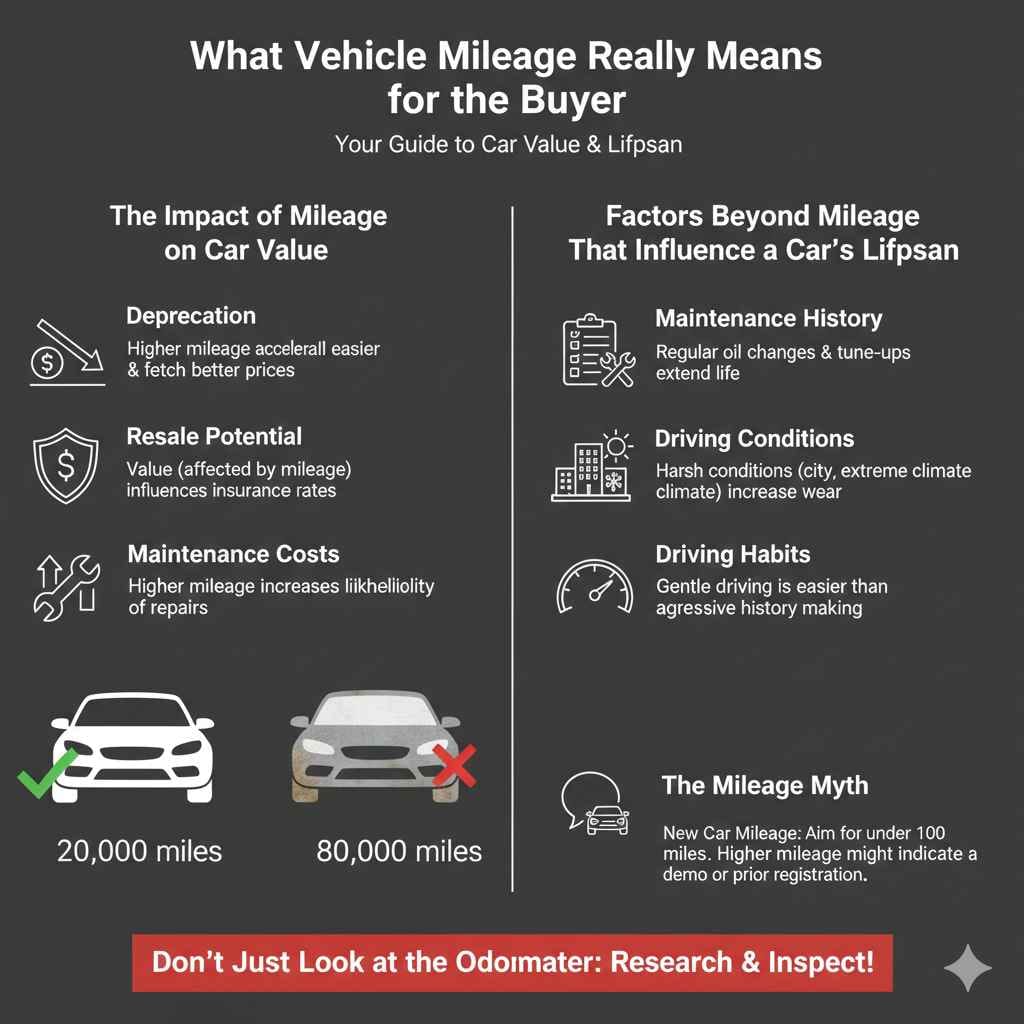
The number of miles a car has traveled is directly related to its value. Cars with lower mileage are generally worth more than those with higher mileage, all other factors being equal. This is because lower mileage often indicates less wear and tear, meaning the car might have a longer lifespan and require fewer immediate repairs. When you’re shopping, remember that the vehicle’s age matters, too. A car that’s five years old with only 20,000 miles on it will usually be worth more than a five-year-old car with 80,000 miles. Think of it as a balance between time and use.
- Depreciation: Cars lose value over time, and mileage greatly impacts this. Higher mileage accelerates depreciation.
- Resale Potential: Low-mileage cars are easier to sell and often fetch a better price because they appeal to buyers seeking reliability.
- Insurance Costs: Though not directly tied to mileage in all cases, a car’s value, which is affected by mileage, impacts insurance rates.
- Maintenance Costs: As mileage increases, so does the likelihood of needing maintenance, which affects the car’s overall value.
Factors Beyond Mileage That Influence a Car’s Lifespan
While mileage is a useful guideline, other things also shape how long a car stays healthy and reliable. Things like how well the car has been maintained (oil changes, tire rotations), where the car has been driven (city versus highway, climate conditions), and how the driver treats it (aggressive driving versus careful driving) make a huge difference. A car that’s been properly cared for can last longer, even with high mileage. It’s like taking good care of your own body. So, look beyond the mileage counter and consider the car’s overall history and its environment.
- Maintenance History: Regular maintenance, like oil changes and tune-ups, extends a car’s lifespan, even with higher miles.
- Driving Conditions: Cars driven in harsh conditions (extreme heat or cold, stop-and-go city traffic) might experience more wear.
- Driving Habits: Gentle driving is easier on a car than aggressive acceleration and braking.
- Vehicle History: Consider the number of previous owners and whether the car has been in any accidents.
Mileage: The Mileage Myth
There is a lot of debate on how much mileage is acceptable when buying a new vehicle, but the answer often isn’t a single number. For a new vehicle, the key is the term “new.” Any mileage on a new car is likely a result of test drives, transport, or minor movements within the dealership. However, it’s wise to consider whether that mileage aligns with the vehicle’s advertised “new” condition. A vehicle marketed as “new” should have very low mileage. While some mileage is expected, a significant number might signal that the car was previously registered or used as a demo. A general rule of thumb would be under 100 miles, with fewer being ideal.
Exploring the Odometer: What To Look For
The odometer is your window into a car’s history. It’s a simple instrument that tracks the total distance the vehicle has traveled since it was made. Odometer readings are helpful indicators of wear and tear, potential mechanical issues, and the overall condition of the vehicle. Learning to examine the odometer and the information it provides can guide your decisions and prevent problems later. Being aware of the odometer’s role will make you a smarter car buyer and help you avoid unnecessary costs. Always consider the odometer reading as part of a more extensive check.
Deciphering the Odometer Reading
The odometer reading gives a clear picture of how much the car has been used. The numbers directly translate to the car’s age, use, and expected remaining lifespan. For example, a car with 100,000 miles is likely to have had more wear and tear than one with 20,000 miles. Also, compare the mileage with the car’s age. A car that is five years old should have around 60,000 to 75,000 miles, but this will vary depending on use. Keep in mind that older cars might show higher mileage, and these readings influence the car’s price. The odometer reading must also be checked to verify there has been no rollback.
- Age versus Mileage: Compare the car’s age with its mileage to see how much it has been driven yearly.
- Mileage and Value: As mileage increases, the car’s value generally decreases.
- Potential Issues: High mileage cars may need more maintenance sooner.
- Verification is Key: Always check that the odometer reading looks correct.
Understanding Odometer Tampering
It is important to watch out for odometer tampering. Dishonest sellers might try to lower the mileage reading to make the car seem more appealing and increase its value. Check for signs of tampering, like gaps in the odometer numbers, misaligned digits, or scratches on the odometer’s face. If you’re buying a used car, ask for the car’s maintenance records, which should include mileage readings from previous services. If the records don’t match the current odometer reading, it could be a red flag. If you are suspicious, it’s best to have a mechanic examine the car for any signs of tampering.
- Inspect the Numbers: Look for any inconsistencies or signs of the odometer being taken apart.
- Check the Records: Compare the odometer reading to the car’s service history.
- Professional Inspection: A mechanic can sometimes detect if the odometer has been altered.
- Know the Laws: Understand the local rules about odometer disclosure.
The Odometer’s Role in Car Maintenance
The odometer isn’t just about distance. It also guides your car’s maintenance schedule. Car manufacturers suggest service intervals based on mileage, such as oil changes every 5,000 to 10,000 miles, or timing belt replacements at a certain mileage. Use the odometer to stay on top of regular maintenance, which can prevent major problems later. Make notes of when you get services done, and save receipts. This creates a detailed maintenance record. Regular maintenance helps your car run smoothly, lasts longer, and maintains its value.
Mileage: Considerations for New and Used Vehicles
When you’re deciding on a new car, you must consider the relationship between mileage and value. For new vehicles, a very low mileage is expected, usually from factory testing or transport. For used cars, however, the mileage becomes a more important factor in your decision. You will need to balance your budget, maintenance needs, and how long you want to keep the car. The right mileage for you depends on what you need from the car. The age of the car, its condition, and how you will use it all play a role in your choice.
Mileage Expectations for New Cars
When buying new, the mileage should be low. The expectation is usually under 100 miles, which accounts for moving the car around the factory and dealership. If you find a “new” car with a significantly higher mileage, ask the dealer for an explanation. A car with higher mileage might have been used as a demo or test drive vehicle. Also, make sure that the vehicle has a full warranty. New cars should come with complete warranties that cover any manufacturing problems. A thorough inspection is just as vital for a new car as it is for a used one.
- Low Mileage is Expected: New cars should have minimal mileage.
- Warranty Coverage: New cars are covered by a manufacturer’s warranty.
- Dealer Disclosure: Always ask the dealer about any mileage over the norm.
- Vehicle History Check: Always check to see if the vehicle has been previously owned.
Assessing Mileage in Used Cars
With a used car, mileage becomes more critical. You’ll need to figure out what’s acceptable based on the car’s age, price, and your needs. Many people consider cars with under 100,000 miles to be a good purchase. However, the condition of the car is more important than the mileage. Look for cars that have been well-maintained. Always have a mechanic inspect a used car before you buy it. The mechanic can check for potential problems that might not be visible during a simple inspection. Do a test drive, and note how the car sounds and feels.
- Mileage Ranges: Consider cars with different mileage to get a better idea of value.
- Maintenance History: Examine past service records to see how well the car was kept.
- Inspection: Always get a pre-purchase inspection from a mechanic.
- Test Drive: Test drive the car to see if it meets your needs.
Comparing Mileage to Car’s Age
A good starting point is comparing the car’s mileage to its age. A typical car drives around 12,000 to 15,000 miles each year, but this can vary. A newer car that already has a lot of mileage could mean it was used as a company car or for long trips. Older cars might have higher mileage. It’s important to evaluate the overall condition of the car. Check the interior and exterior for signs of wear and tear, and listen to the engine. If the car has higher mileage but looks like it’s been well cared for, it might still be a great buy.
For example, if the car is five years old, you’d expect mileage between 60,000 to 75,000 miles. A car with significantly more miles may have had a lot of use. A car with much lower mileage could have been used less. Always do a full inspection of the car before you buy.
Making an Informed Decision About Mileage
Deciding on the “right” mileage for a car involves weighing many factors. You must balance the car’s age, cost, expected use, and your own budget. Consider the maintenance needs that may come with higher mileage vehicles. Remember that a well-maintained car with more miles can still be a good choice. Ultimately, the best decision is the one that fits your situation and provides you with a reliable mode of transportation. Remember, research and thorough inspection are your best tools in making this decision.
Mileage and Your Budget
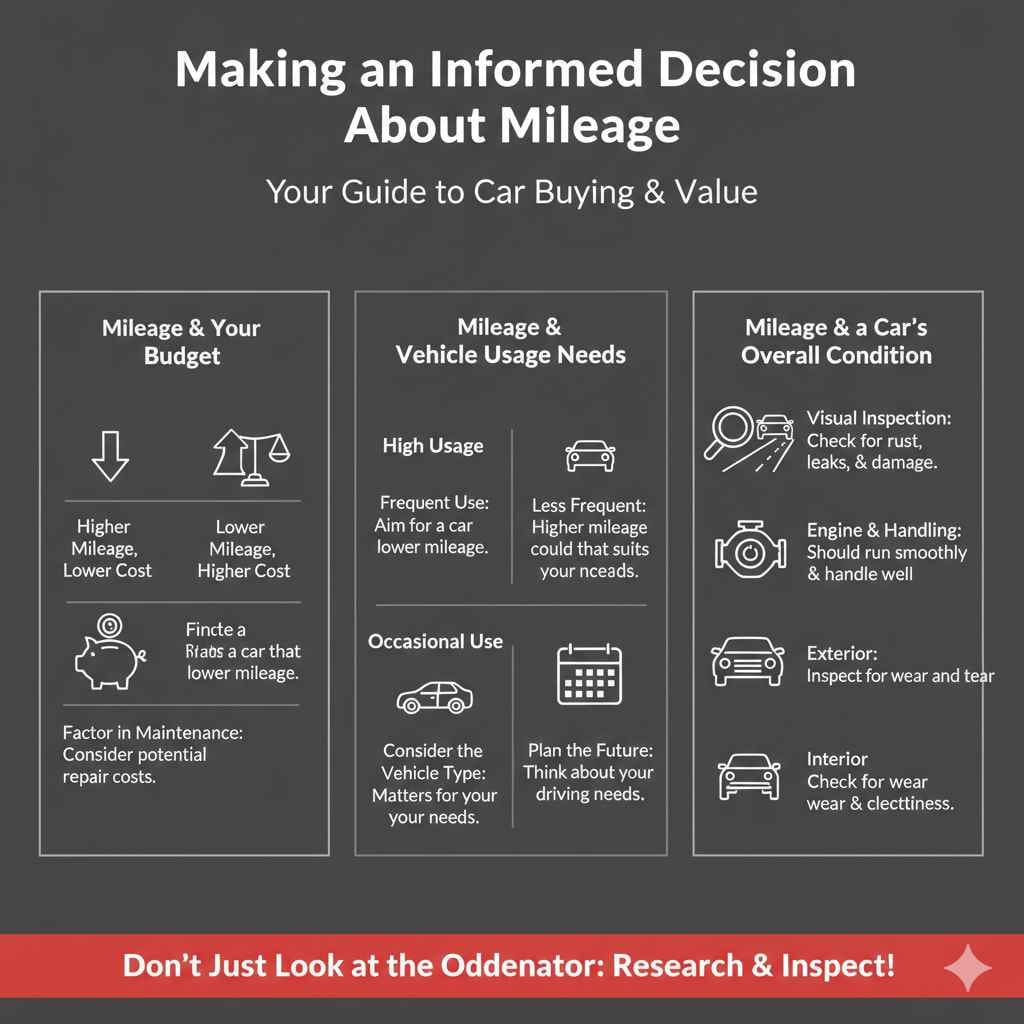
The amount you can spend is always a key factor in any car-buying decision. Cars with lower mileage are usually more expensive. Those with higher mileage tend to be less expensive, making them more budget-friendly. Consider how much you can spend on the car and any future maintenance costs. Sometimes, buying a car with higher mileage can allow you to get a better model or more features within your budget. Make sure you leave room in your budget for potential repairs. Before you decide, get a quote from a mechanic for any potential fixes.
- Lower Mileage, Higher Cost: Cars with less mileage typically have higher price tags.
- Higher Mileage, Lower Cost: Cars with more miles may be more affordable.
- Factor in Maintenance: Consider the potential repair costs associated with higher mileage cars.
- Find the Balance: Choose a car that suits your budget and needs.
Mileage and Vehicle Usage Needs
How you will use the car is also very important. If you plan to use the car for long commutes or travel a lot, a car with lower mileage might be best. The car’s condition will remain better. If you only need a car for short trips, the mileage becomes less of a concern. A car’s design can influence mileage. Consider the type of car you need, such as a compact car for better fuel efficiency or a larger vehicle for more storage space. Consider how the car fits into your daily life. A car that suits your life will be the best choice.
- High Use: For frequent use, aim for a car with lower mileage.
- Occasional Use: For less frequent trips, a car with more mileage could be acceptable.
- Consider the Vehicle Type: The type of car matters for your needs.
- Plan for the Future: Think about your future driving needs and choose a car accordingly.
Mileage and a Car’s Overall Condition
Mileage is one thing, but the car’s overall condition is the other important thing. A car that’s been well-maintained can last for years, even if it has higher mileage. When inspecting a car, check for rust, leaks, and any signs of damage. Make sure the interior is in good shape, too. A car with higher mileage may still be in good condition. The engine should run smoothly, and the car should handle well. It is important to inspect the car’s exterior for any signs of damage or wear and tear.
Frequently Asked Questions
Question: What is a good mileage for a used car?
Answer: A “good” mileage varies, but many people consider under 100,000 miles to be a good starting point. However, the car’s condition, maintenance history, and your specific needs are more important.
Question: Is it bad to buy a car with high mileage?
Answer: Not necessarily. A car with higher mileage can be a good purchase if it’s been well-maintained and priced affordably. Get a pre-purchase inspection.
Question: How many miles is considered “high mileage?”
Answer: This can differ by the car. A car with 100,000 miles or more is generally considered high mileage, but this doesn’t automatically mean the car is in bad shape.
Question: Does regular maintenance make a difference?
Answer: Yes, regular maintenance is extremely important. It can significantly extend a car’s lifespan, even with high mileage.
Question: What’s more important, mileage or the car’s age?
Answer: Both matter. A car’s age and mileage can provide an idea of its overall condition. Compare the mileage to the age to see how the car was used.
Final Thoughts
In the end, deciding how many miles are “too many” for a new car isn’t about finding a single number. Instead, the focus should be on understanding what the mileage indicates about the car’s past, present, and potential future. This involves considering the vehicle’s age, maintenance history, and how you plan to use it. Knowing the impact of mileage on value, along with your budget and needs, helps in making an informed choice. Take time to explore different vehicles, perform careful inspections, and consider test drives. By following these steps, you can buy a car with confidence. Happy car shopping!