
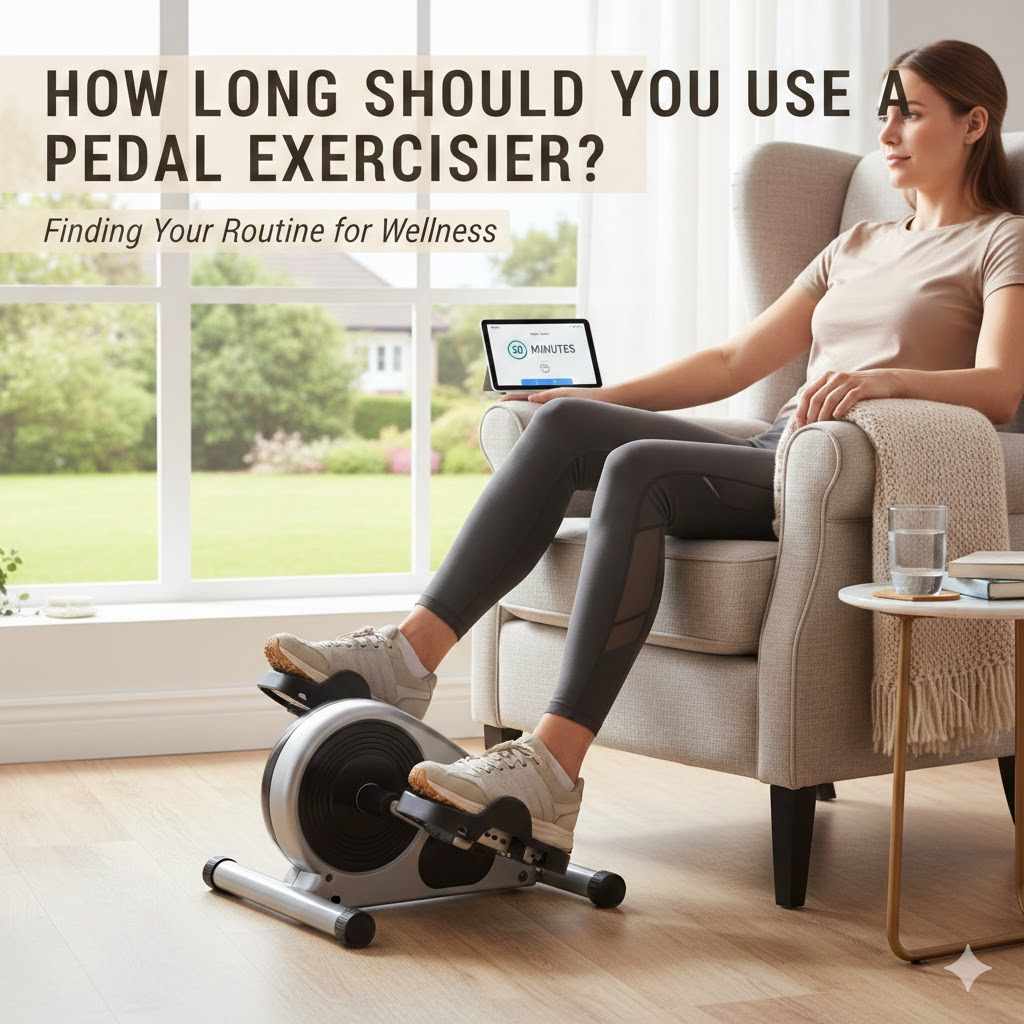
Many people wonder, How Long Should You Use a Pedal Exerciser? It’s a common question, especially when you’re just starting out. You want to get the best results without overdoing it. It can feel a bit confusing with all the different advice out there.
But don’t worry, we’ll make it super simple. Let’s break it down step-by-step so you know exactly what to do to feel great and get stronger.
Understanding Pedal Exerciser Sessions
Knowing how long to use a pedal exerciser helps you get the most benefits. It’s about finding the sweet spot for your fitness goals. Using it for too short a time might not give you the results you want, while using it too long could lead to tiredness or even strain.
This section will cover the basics of pedal exerciser use and why timing matters.
Benefits of Consistent Use
Using a pedal exerciser regularly can really help your body. It’s great for improving blood circulation, which is important for overall health. Regular sessions can also help build leg strength and endurance.
This can make everyday tasks feel easier and boost your energy levels.
- Improved Cardiovascular Health
Consistent workouts on a pedal exerciser can strengthen your heart and lungs. This means your heart pumps blood more efficiently, sending oxygen to all parts of your body. Over time, this can lower your resting heart rate and reduce your risk of heart disease.
Think of it as a gentle way to give your ticker a good workout.
- Enhanced Muscle Strength and Tone
Pedaling engages the muscles in your legs and glutes. Over weeks and months, these muscles become stronger and more toned. This can help with balance and mobility, making it easier to walk, climb stairs, or get up from a chair.
It’s like building a strong foundation for your lower body.
- Better Joint Flexibility
The smooth, controlled motion of a pedal exerciser is gentle on your joints. This can help keep them flexible and reduce stiffness, especially for people with arthritis or limited mobility. Moving your joints through their range of motion can also help lubricate them, making them feel better.
Factors Influencing Session Length
Several things can change how long you should pedal. Your current fitness level is a big one. Someone who is just starting will use it for a shorter time than someone who exercises often.
Your health goals also play a role. Are you trying to build endurance, burn calories, or just stay a little more active?
- Your Current Fitness Level
If you’re new to exercise, it’s best to start with shorter sessions. Maybe 10 to 15 minutes at a time. As you get fitter, you can gradually increase the duration.
Listening to your body is key here; if you feel tired, it’s okay to stop.
- Specific Health Goals
If your goal is weight management, longer sessions might be more effective for burning calories. For recovery or maintaining mobility, shorter, more frequent sessions could be better. It’s about matching the time spent pedaling to what you want to achieve.
- Doctor’s Recommendations
Always check with your doctor before starting any new exercise program, especially if you have health conditions. They can give you personalized advice on how long and how often you should use your pedal exerciser. This ensures you’re exercising safely and effectively for your specific needs.
Determining Your Ideal Pedal Exerciser Duration
Finding the right amount of time for your pedal exerciser sessions is all about balance. You want to push yourself a little but not too much. This section will help you figure out that perfect duration based on a few key ideas.
We’ll look at how to start, how to build up, and what signs to watch out for.
Starting Out New Users
For beginners, the most important thing is to start slowly. Trying to do too much too soon can be discouraging. Gentle, short sessions build confidence and allow your body to adjust to the new activity.
This makes it much easier to stick with it long-term.
- Beginner Session Length
Aim for 10-15 minutes of gentle pedaling. Focus on a comfortable pace where you can still hold a conversation. This allows your muscles and cardiovascular system to adapt without feeling overwhelmed.
It’s about creating a positive first experience.
- Frequency for Beginners
Try to use your pedal exerciser 3-5 times per week. Spacing out your sessions allows your body to recover between workouts. This is crucial for preventing soreness and injury, helping you build consistency from the start.
- Focus on Form and Comfort
During these initial sessions, pay attention to your posture and how your body feels. Ensure your pedals are adjusted comfortably. If you experience any sharp pain, stop immediately.
Comfort and correct form are more important than speed or duration at this stage.
Progressing Your Workout Length
Once you’ve gotten comfortable with shorter sessions, you can start to increase the time you spend pedaling. This gradual increase helps your endurance and strength grow steadily. It prevents plateaus and keeps your workouts challenging and effective.
- Gradual Increase Method
Add 5 minutes to your session length every week or two. For example, if you’re doing 15 minutes, try 20 minutes the next week. This slow progression helps your body adapt without strain.
It’s a safe and effective way to build stamina.
- Listen to Your Body
As you increase the duration, pay close attention to how you feel. If you’re feeling overly fatigued or sore, it might be too soon to increase the time. It’s always better to do a slightly shorter session and feel good than a longer one and feel exhausted.
- Varying Intensity and Duration
You don’t always have to pedal for the same amount of time or at the same pace. Some days you might do a longer, slower session, and other days a shorter, more intense one. This variety can keep things interesting and challenge your body in different ways.
Indications to Stop or Rest
Knowing when to stop is just as important as knowing how long to go. Your body sends signals when it needs a break. Recognizing these signals helps prevent injuries and ensures you can keep exercising safely for the long run.
- Signs of Overtraining
Watch out for persistent fatigue, unusual soreness that doesn’t go away, or a decrease in your energy levels. If you find yourself feeling unusually tired even after rest, it might be a sign you’re overdoing it. It’s a good time to take an extra rest day or two.
- Discomfort vs. Pain
There’s a difference between feeling a mild muscle ache from exertion and sharp or sudden pain. Mild aches are normal as your muscles get used to working out. Sharp pain, however, is a warning sign that you should stop immediately.
Never push through pain.
- Importance of Rest Days
Rest days are when your muscles actually repair and grow stronger. Skipping rest days can lead to burnout and injury. Plan for at least one or two complete rest days each week, allowing your body to fully recover and prepare for your next workout.
Achieving Specific Fitness Outcomes With Pedal Exercisers
Pedal exercisers are versatile tools that can help you reach various fitness goals. Whether you’re aiming to lose weight, improve endurance, or simply stay active, adjusting your session length and intensity can make a big difference. This part looks at how to use your pedal exerciser effectively for different outcomes.
Pedal Exerciser for Weight Management
When aiming for weight loss, consistency and duration are key. Burning more calories than you consume is the core principle of weight management. Pedal exercisers can contribute significantly to your daily calorie expenditure when used correctly.
- Calorie Burn and Session Length
To burn a significant amount of calories, longer sessions are generally more effective. Aim for 30-45 minutes of continuous pedaling. The intensity of your pedaling also plays a big role.
Higher resistance and faster speeds burn more calories in the same amount of time.
- Combining with Diet
Remember that exercise is only one part of weight management. Combining your pedal exerciser routine with a healthy, balanced diet is crucial. Focus on whole foods and limit processed items.
This synergy will lead to more sustainable and effective weight loss results.
- Monitoring Progress
Track your progress by monitoring changes in your weight, how your clothes fit, and your energy levels. You might also want to track the duration and intensity of your workouts. Seeing progress can be a great motivator to keep going.
Improving Cardiovascular Fitness
For heart health, regular aerobic activity is essential. Pedal exercisers provide a low-impact way to get your heart rate up and improve your stamina. Consistent, moderate-intensity workouts are the best way to build a stronger cardiovascular system.
- Target Heart Rate Zones
To improve cardiovascular fitness, you should aim to work within a target heart rate zone. For moderate intensity, this is typically 50-70% of your maximum heart rate. You can estimate your maximum heart rate by subtracting your age from 220.
- Session Duration for Cardio
For cardiovascular benefits, aim for at least 30 minutes of moderate-intensity pedaling most days of the week. This duration allows your heart and lungs to work efficiently, strengthening them over time. Consistency is more important than pushing yourself to extreme limits every session.
- Interval Training
You can also incorporate interval training into your routine. This involves alternating between short bursts of higher intensity pedaling and longer periods of lower intensity recovery. This method can be very effective for improving cardiovascular endurance and is often used by athletes.
Maintaining Mobility and Strength
For individuals looking to maintain or improve their mobility and leg strength, pedal exercisers offer a gentle yet effective solution. They are particularly beneficial for older adults or those recovering from injuries, helping to prevent muscle loss and stiffness.
- Gentle Movements
The smooth, circular motion of pedaling is excellent for lubricating joints and improving range of motion without stress. This can help alleviate stiffness and discomfort often associated with aging or inactivity.
- Building Functional Strength
Regular use helps build and maintain strength in the quadriceps, hamstrings, and calf muscles. This functional strength is vital for everyday activities like walking, standing up from a seated position, and maintaining balance, which can help prevent falls.
- Consistency Over Intensity
For mobility and strength maintenance, consistency is key. Shorter, regular sessions of 15-20 minutes daily or several times a week are often more beneficial than infrequent, long, or intense workouts. The goal is to keep the muscles and joints active and healthy.
Real-Life Scenarios and Recommendations
Seeing how others use pedal exercisers can offer practical guidance. These examples show how different people tailor their workouts to fit their lives and reach their personal health objectives. Let’s look at a couple of common situations.
Scenario 1 A Desk Worker Reclaiming Activity
Sarah is an office worker who spends most of her day sitting. She noticed her legs felt stiff and she had low energy. She decided to get a pedal exerciser to use while working at her desk.
She started with 15 minutes during her lunch break and another 15 minutes in the evening while watching TV.
- Sarah began with 15-minute sessions, 5 days a week, at a very low resistance.
- After two weeks, she increased her sessions to 20 minutes and added a slight resistance increase.
- She found that by the end of the month, her leg stiffness had reduced significantly, and she felt more energetic throughout the day.
- Sarah now comfortably pedals for 30 minutes during her lunch break and another 20 minutes in the evening, adjusting resistance as she feels fit.
Sarah’s experience shows that even small, consistent efforts can lead to big improvements when you’re just trying to be more active. Her focus was on integrating movement into her existing routine.
Scenario 2 An Older Adult Maintaining Independence
Mr. Henderson, who is 75, wants to stay active and independent. He finds it harder to walk long distances.
His physical therapist suggested a pedal exerciser to help maintain leg strength and improve circulation. Mr. Henderson uses his exerciser in the morning and afternoon.
- He started with 10-minute sessions twice a day, with very light resistance, focusing on smooth, controlled movements.
- He aimed for a consistent rhythm, ensuring his knees and hips moved comfortably.
- After a month, he was able to increase his sessions to 15 minutes each, still maintaining light resistance to avoid strain.
- Mr. Henderson finds this routine helps him feel more stable when walking and reduces swelling in his ankles.
Mr. Henderson’s plan emphasizes safety and consistency. The goal is to maintain function and prevent further decline, which his current routine is successfully achieving.
General Recommendations Based on Age and Health
Age and general health are significant factors when deciding how long to use a pedal exerciser. Younger, healthier individuals can typically handle longer and more intense sessions than older adults or those with chronic health conditions.
- Younger Adults (18-40)
For those in this age group looking to improve fitness, build muscle, or manage weight, sessions of 30-60 minutes, 4-6 times a week, are generally appropriate. Intensity can be varied from moderate to high, depending on fitness goals.
- Middle-Aged Adults (40-60)
This group often focuses on maintaining health and preventing age-related issues. Sessions of 20-45 minutes, 3-5 times a week, at moderate intensity are a good target. Focusing on consistency and preventing overexertion is important.
- Older Adults (60+)
For seniors, the primary goals are usually maintaining mobility, circulation, and preventing muscle loss. Shorter, more frequent sessions of 10-20 minutes, 3-5 times a week, with low to moderate intensity and resistance, are often recommended. Always consult a doctor first.
- Individuals with Health Conditions
If you have conditions like heart disease, diabetes, arthritis, or are recovering from surgery, it’s vital to consult your healthcare provider. They can provide specific guidelines on duration, intensity, and frequency that are safe and beneficial for your condition.
Tips for Maximizing Your Pedal Exerciser Use
To get the best results and make your pedal exerciser a regular part of your life, there are some simple tricks you can use. These tips focus on making your workouts more effective, enjoyable, and sustainable over time. Let’s explore ways to get more from your sessions.
Setting Realistic Goals
Having clear, achievable goals is key to staying motivated. Whether it’s pedaling for a certain amount of time, improving your stamina, or just feeling better, setting small milestones can help you track your progress and celebrate your successes.
- Define What You Want to Achieve
Are you looking to increase your daily step count, improve your leg strength for better walking, or simply get more movement in your day? Clearly defining your goals helps you focus your efforts and measure your success. Vague goals can be hard to work towards.
- Break Down Big Goals
If your goal is to pedal for 60 minutes, start by aiming for 20 minutes. Once you reach that, aim for 30, and so on. Breaking down larger goals into smaller, manageable steps makes the process less overwhelming and more rewarding as you achieve each mini-goal.
- Celebrate Milestones
Acknowledge your progress! When you reach a new duration or feel a noticeable improvement, take a moment to recognize your hard work. This positive reinforcement can boost your motivation and encourage you to keep going strong.
Incorporating Resistance and Speed
The resistance and speed settings on your pedal exerciser are your tools for adjusting the challenge. Learning to use them effectively can make your workouts more dynamic and help you progress faster towards your fitness aims.
- Adjusting Resistance
Higher resistance means your muscles are working harder. For strength building or weight loss, gradually increase the resistance. For cardiovascular endurance, maintain a moderate resistance that challenges you without preventing you from keeping a steady pace.
- Varying Speed
Faster pedaling generally increases your heart rate, making it more of a cardiovascular workout. Slower, more controlled pedaling with higher resistance can focus more on muscle strength. Mixing speeds can offer a well-rounded workout.
- Finding Your Optimal Level
Your optimal level is one where you feel challenged but can maintain good form and breathing for the duration of your session. It’s okay for this level to change as you get fitter. Experiment to find what feels right for you each day.
Making it a Habit
Turning your pedal exerciser sessions into a daily habit is the best way to ensure long-term benefits. Consistency is more important than intensity when it comes to building lasting fitness and health.
- Schedule Your Workouts
Treat your pedal exerciser time like any other important appointment. Block out time in your calendar, whether it’s first thing in the morning, during a lunch break, or in the evening. Having a scheduled time makes it less likely you’ll skip it.
- Pair with Other Activities
Use your pedal exerciser while doing other activities you enjoy, like reading, watching TV, listening to podcasts, or working. This “habit stacking” can make the time fly by and reduce the feeling of it being a chore.
- Keep it Accessible
Ensure your pedal exerciser is always set up and ready to go. If it’s stored away in a closet, you’re less likely to use it. Keeping it in a convenient location, like next to your favorite chair, encourages spontaneous use.
Frequently Asked Questions
Question: How many minutes a day should I use a pedal exerciser?
Answer: For beginners, start with 10-15 minutes per day. As you get fitter, you can gradually increase this to 30-45 minutes or more, depending on your goals and how you feel. Consistency is more important than long durations, especially at first.
Question: Can I use a pedal exerciser for an hour every day?
Answer: While some fit individuals might be able to use it for an hour, it’s generally recommended to build up to that gradually. Listen to your body. If you feel fine, you can do longer sessions, but ensure you also incorporate rest days and monitor for signs of overexertion.
Question: How long should I use a pedal exerciser if I have arthritis?
Answer: If you have arthritis, shorter, more frequent sessions of 10-15 minutes with very low resistance are often recommended. Focus on gentle, smooth movements to improve circulation and flexibility without causing joint pain. Always consult your doctor or physical therapist for personalized advice.
Question: What resistance level should I use on my pedal exerciser?
Answer: Start with the lowest resistance level to get comfortable. As you gain strength and endurance, you can gradually increase the resistance. The goal is to feel a challenge that works your muscles without causing pain or compromising your form.
It’s best to adjust it so you can maintain a steady pace for your desired session length.
Question: How often should I use a pedal exerciser for weight loss?
Answer: For weight loss, consistency is key. Aim to use your pedal exerciser most days of the week, perhaps 5-6 days. Longer sessions of 30-45 minutes or more, combined with a healthy diet, will be most effective for burning calories and supporting your weight loss goals.
Summary
To answer How Long Should You Use a Pedal Exerciser, start with 10-15 minutes and gradually increase duration as you build stamina. Aim for 30-45 minutes for general fitness and weight loss, but always listen to your body and take rest days. Consistency and comfort are key to making it a lasting habit for better health.