
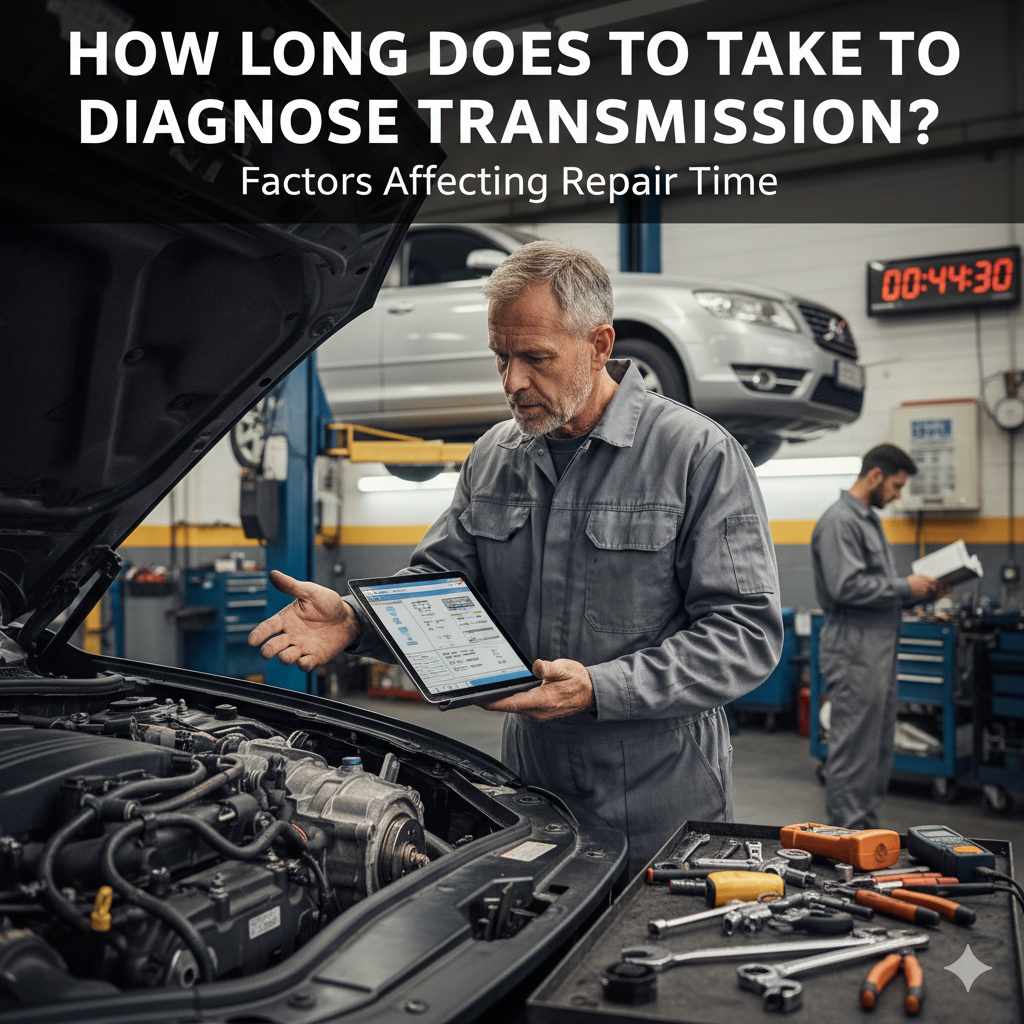
Diagnosing a transmission issue typically takes a mechanic between 1 to 3 hours for an initial assessment. Complex or internal problems can extend this to a full day or longer, especially if specialized testing or removal of the transmission is required. Clear symptoms help speed up the process significantly.
When your car starts shifting rough or making strange noises, your heart sinks a little. The transmission feels vital, and knowing what’s wrong is the first step toward fixing it. But the big question everyone asks a mechanic is: “How long does it take to diagnose a transmission?”
It is frustrating waiting, especially when you rely on your car every day. The answer isn’t a simple number. It depends on the complexity of the problem. Don’t worry; we are going to break down the whole process so you know exactly what to expect. You’ll get the knowledge to talk confidently with your technician and understand the time involved.
Why Transmission Diagnosis Can Take More Than Just a Quick Look
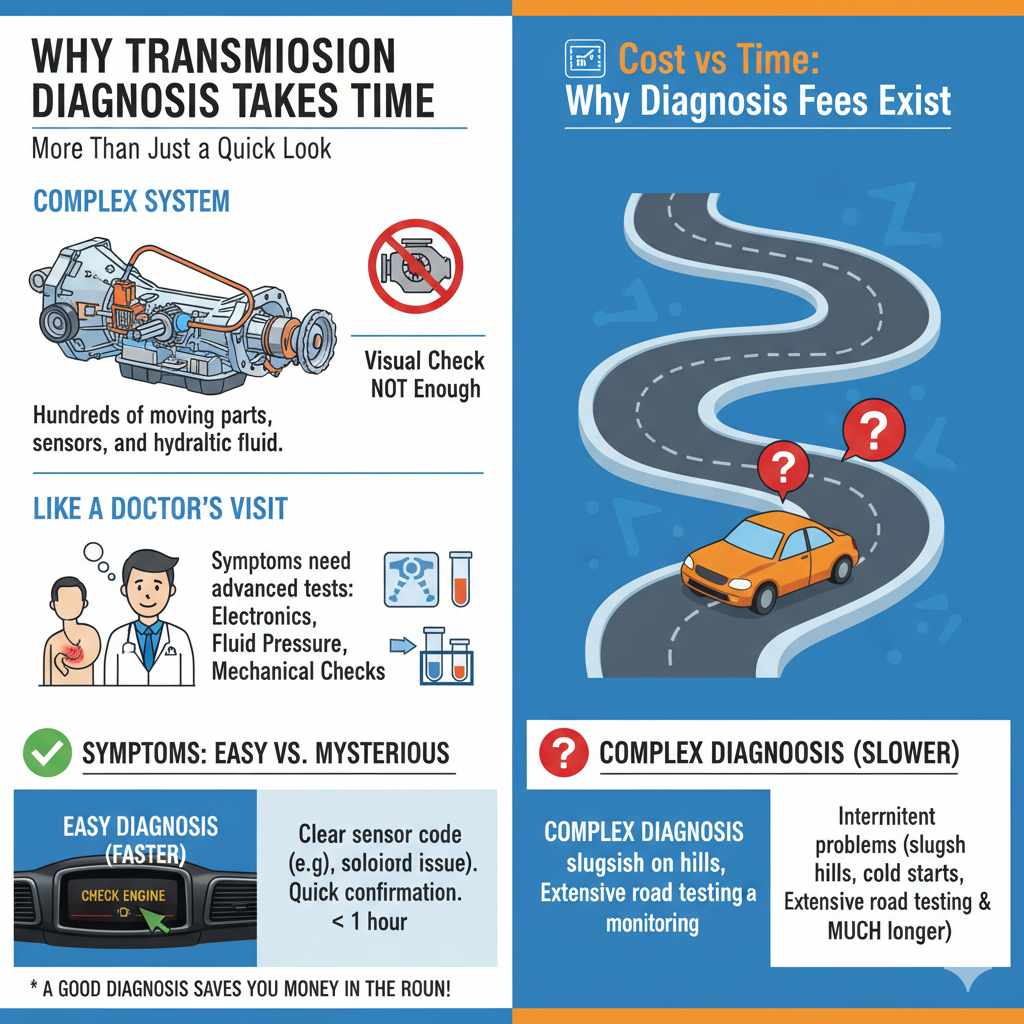
A transmission is one of the most complicated systems in your vehicle—way more complex than, say, changing your oil! It has hundreds of moving parts, cooling lines, sensors, and tons of hydraulic fluid. Because it’s so involved, a simple visual check often isn’t enough.
Think of it like a doctor diagnosing a tummy ache. A quick poke might reveal something, but sometimes they need an X-ray or blood tests. A transmission is similar. We need to check electronics, fluid pressure, and mechanical connections.
Simple Symptoms vs Mysterious Problems
The time spent diagnosing heavily relies on how obvious the symptoms are. A clear sign usually leads to a faster fix!
- Easy Diagnosis (Faster): If the “Check Engine Light” is on and it points directly to a specific sensor (like a solenoid), the mechanic can usually confirm it quickly. You might be out the door in under an hour.
- Complex Diagnosis (Slower): If your car just feels sluggish sometimes, especially when cold or only on hills, the issue might be intermittent. These “ghost problems” require extensive road testing and monitoring of data, making the process much longer.
The Step-by-Step Timeline: What Happens During Diagnosis
To give you a realistic picture, here is the typical sequence a skilled technician follows. This process is usually standardized to ensure accuracy, as rushing can lead to misdiagnosis and wasted money.
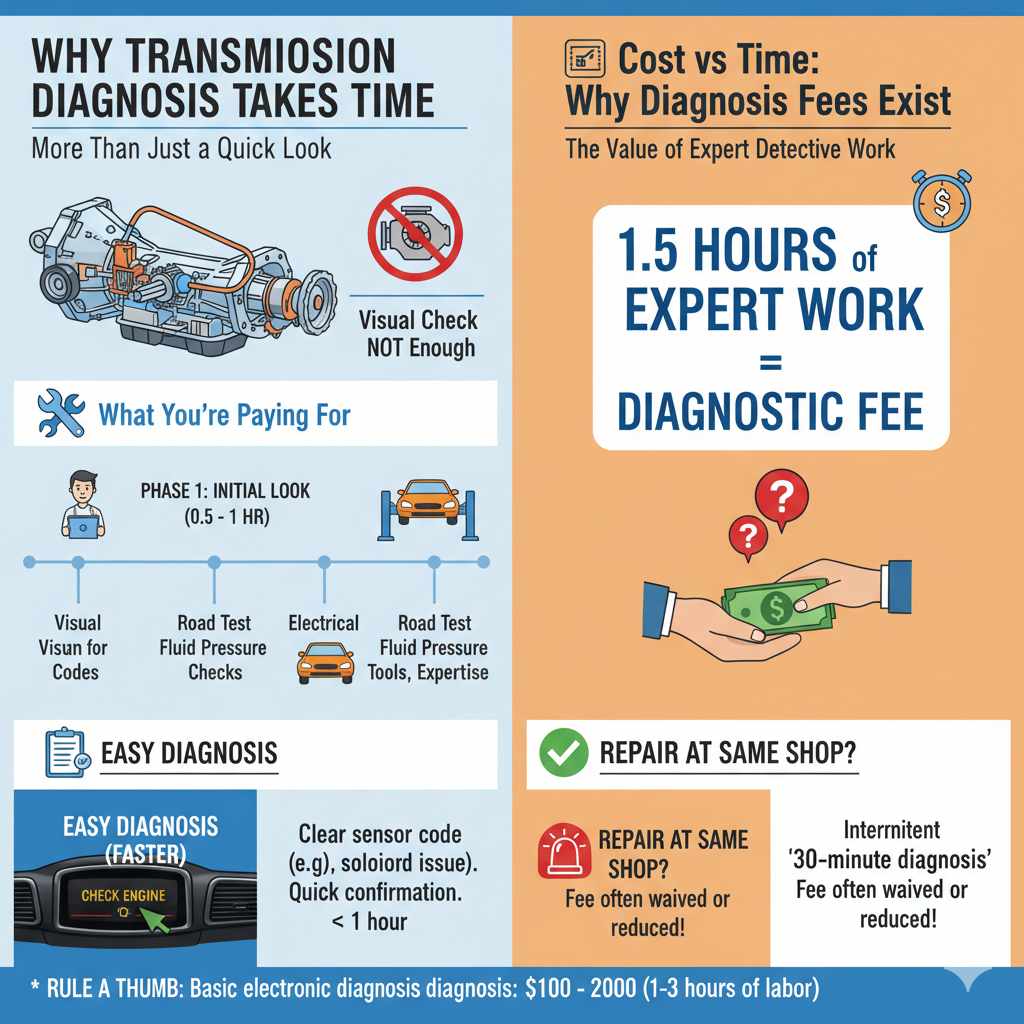
Phase 1: Initial Interview and Quick Check (15 – 30 Minutes)
This is the crucial first step where you share information with your trusted mechanic. Be as detailed as possible to save time here!
- Driver Interview: The mechanic asks you specific questions: When did it start? Does it happen when the car is cold or hot? Does it shift hard, slip, or refuse to go into gear?
- Visual Inspection: They look under the car for obvious leaks (fluid color matters!). They check the transmission fluid level, color, and smell. Burnt fluid suggests serious trouble immediately.
- Code Reading: They connect a specialized scanner (OBD-II tool) to your car’s computer port. Modern transmissions are heavily reliant on electronics. A stored code (like a P0700 series code) tells them precisely which system is reporting a fault.
Phase 2: Hands-On Testing and Verification (1 – 2 Hours)
Once the computer gives them a clue, the mechanic moves to hands-on testing. This is often where the bulk of the time is spent.
- Pressure Testing: For hydraulic transmission issues, they might need to hook up gauges to check the fluid pressure running through the system. Low pressure usually means worn seals or a failing pump.
- Road Test: This is essential. The mechanic drives the car, mimicking the conditions you described. They might need to drive it until it reaches full operating temperature, which can take 30 minutes alone. They monitor scanner data in real-time during this drive.
- Component Testing: If a specific solenoid or speed sensor is suspected, they test its electrical circuit integrity (voltage, resistance) to confirm if the part has failed or if the wiring leading to it is damaged.
Phase 3: Advanced Diagnosis or Removal (If Necessary) (4 Hours to 2 Days)
If Phases 1 and 2 don’t pinpoint the issue, things get more involved. This is where the time estimate can expand significantly.
Sometimes, a diagnostic routine points to an internal mechanical fault that cannot be diagnosed without opening the transmission casing. This is a major time investment because the unit must be removed from the car.
| Diagnostic Scenario | Typical Timeframe | Reason for Time Needed |
|---|---|---|
| Simple Sensor/Wiring Fault | 30 Minutes – 1 Hour | Easy code identification and verification. |
| Moderate Fluid/Pressure Issue | 1.5 – 3 Hours | Requires road test under load and pressure gauge hookup. |
| Intermittent Shifting Problems | 4 – 8 Hours | Requires extensive monitoring; problem may not reproduce immediately. |
| Internal Mechanical Failure Indicated | 1 – 2 Full Days | Requires removal, disassembly, thorough inspection, and reassembly/replacement planning. |
Understanding External vs Internal Transmission Problems
A key factor in diagnosis time is whether the problem lives inside the transmission casing or outside of it. External issues are almost always faster to diagnose.
External (Quicker Fixes)
These are issues related to the components bolted onto the outside of the transmission body. These often provide solid, traceable fault codes.
- Vehicle Speed Sensor (VSS): A bad sensor gives bad speed data, causing poor shifting. Diagnosis involves checking the sensor’s wiring and resistance.
- Transmission Control Module (TCM) Issues: Sometimes the computer controlling the shifting is faulty, or its power supply is bad.
- Low or Old Fluid: The simplest check! If fluid is low, the diagnosis time is short. However, if the fluid is black and smells burnt, the diagnosis now shifts to finding why it burned, which takes longer.
- Linkage Problems: If the shift cable connecting the shifter in your car to the transmission is loose or broken, the physical connection is the problem.
Internal (Longer Diagnostic Times)
These problems require the technician to focus on clutches, bands, gears, or valve bodies deep inside the transmission housing. These issues often present as slipping, loud clunking, or complete failure to engage a gear.
Diagnosing internal concerns often requires specialized tools or the removal of the transmission altogether. For example, checking clutch pack wear might be impossible without draining the fluid, removing the pan, and physically inspecting the clutches. This level of deep investigation definitely pushes the timeline past a few hours.
According to automotive industry standards, repairs that require removing major powertrain components often have standardized labor times that start after the internal diagnosis is complete. If removal is necessary, you are likely looking at a multi-day job from start to finish, though the diagnosis phase might stabilize after the first day.
Tools of the Trade: What Mechanics Use to Speed Things Up
Modern vehicle diagnostics rely less on guesswork and more on technology. Technicians use high-grade tools that drastically reduce diagnostic time compared to decades ago. Knowing what they use can help you appreciate the effort involved.
If your vehicle is newer, look for shops equipped with manufacturer-specific diagnostic software. Generic scanners are good for basics, but dealer-level tools can access proprietary diagnostic trees recommended by the carmaker. For more information on standardized vehicle diagnostics, you can look into the resources provided by organizations like the National Institute of Standards and Technology (NIST) regarding automotive advancements.
Essential Diagnostic Equipment:
- Advanced Scan Tools: Capable of reading freeze-frame data (what the car was doing just before the error occurred) and monitoring dozens of live sensor inputs simultaneously.
- Pressure Gauges and Transducers: Used to measure hydraulic line pressure while the car is running in gear.
- Wiring Diagrams and Technical Service Bulletins (TSBs): A mechanic will often cross-reference symptoms with known issues published by the manufacturer. Finding a TSB for your exact symptom can cut diagnosis time from hours down to minutes.
Tips to Help Your Mechanic Diagnose Faster (And Save Money)
You are the expert on how your car feels. Leverage that knowledge! The clearer your description, the faster the mechanic can narrow down the thousands of possibilities.
- Document Everything: Before you go in, write down every detail. Is the noise loud or quiet? Is the delay one second or five seconds? Did it start suddenly or gradually?
- Note the Conditions: Does the issue happen only in Drive? Only reversing? Only after driving for 30 minutes? Being precise about temperature and speed is gold.
- Don’t Ignore Warning Lights: If the Check Engine Light (CEL) is flashing, that means the computer has identified a serious, ongoing misfire or fault that could damage other components. Get it checked right away. A steady CEL is less urgent but still important.
- Check the Basics First: If you notice low fluid, you might be able to top it up (only use fluid specified by your owner’s manual!). If topping it up solves the issue, you’ve avoided an expensive diagnostic fee!
When to Expect a Multi-Day Timeline
It is important to set expectations upfront. If the diagnosis requires transmission removal, the timeline extends beyond the technician’s immediate availability. A typical repair shop needs time to:
- Drain all fluids and safely lower the heavy transmission unit.
- Disassemble the unit (if they perform their own internal diagnosis).
- Wait for parts to arrive if the failure is confirmed internally.
- Schedule the vehicle for reassembly once the repair is confirmed or the replacement unit arrives.
If internal work is needed, always ask for an estimated time after the internal inspection confirms the failure. Reputable shops will not quote an external repair price based on an internal inspection time.
Cost vs Time: Why Diagnosis Fees Exist
You might wonder why you are charged a diagnostic fee if the repair itself is costly. This fee covers the specialized time, tools, and expertise used in Phases 1 and 2.
Even if they diagnose the problem in 1.5 hours and tell you it needs a $3,000 replacement, that 1.5 hours of expert detective work is what you pay for upfront. If you choose to have the repair done at that shop, most reputable mechanics will often waive or significantly reduce the initial diagnostic fee, as the charge is then rolled into the overall repair bill.
A good rule of thumb is that basic electronic or external diagnostics should cost between $100 and $200, reflecting the 1 to 3 hours of specialized labor. If a shop quotes you a diagnosis time of “just 30 minutes,” be skeptical if the problem is intermittent, as that suggests they may not be performing thorough road testing.
FAQ: Beginner Questions About Transmission Diagnosis
Here are quick answers to the most common concerns drivers have when facing transmission trouble.
Q1: If the transmission fluid is dark or smells burnt, does that mean the diagnosis is over?
A: Not quite. Dark, burnt fluid tells the mechanic that the transmission has seriously overheated and internal friction damage has likely occurred. They still must run tests to pinpoint why it overheated—maybe a blocked cooler, low fluid pressure, or severe internal wear. It points toward a major problem, but not the exact cause.
Q2: Does taking my car to the dealership speed up the diagnosis?
A: Maybe slightly, but not always. Dealerships have the very latest manufacturer-specific software, which helps immensely with complex electronic issues in new cars. However, independent transmission specialists often have more experience dealing with repeated, diverse internal mechanical issues across many brands, which can sometimes make their diagnosis faster for older or common mechanical failures.
Q3: Can I diagnose a slipping transmission myself at home?
A: You can check the fluid level and color, which is a great start! However, accurate diagnosis of slipping usually requires specialized tools like pressure gauges and a scanner reading live transmission data while moving, which is not safely achievable for a beginner at home. Leave the deep dive to the pros.
Q4: What if the mechanic says they need to “drop the transmission” to diagnose it?
A: This means the computer diagnostics pointed to an internal mechanical failure (like a broken gear or worn clutches) that they cannot confirm while it’s bolted in the car. This significantly increases the time commitment, often turning a same-day diagnosis into a 1 to 2-day waiting period just for the teardown and report.
Q5: How long should I let a mechanic keep my car for diagnosis only?
A: For non-intermittent issues, you should expect an answer or a plan within 8 business hours, or by the end of the next business day. If the problem is unpredictable, they should at least offer a thorough 24-hour road test monitoring plan.
Q6: Is a transmission scan tool the same as an OBD-II reader?
A: No. An OBD-II reader is the basic tool required by law to plug into any car made after 1996 to read basic engine codes. A specialized transmission scan tool can read manufacturer-specific codes for solenoids, monitor torque converter lockup, and graph output shaft speeds, which is vital for deep transmission diagnosis.
Conclusion: Confidence in the Diagnostic Process
Knowing how long it takes to diagnose a transmission issue provides you with control and reduces anxiety. While a simple fluid leak or sensor failure can be identified in under an hour, expect complex shifting problems or vague symptoms to require a minimum of a half-day for thorough confirmation.
Remember, rushing a transmission diagnosis is the quickest way to pay for a repair twice. The time a trusted technician spends hooking up gauges, performing careful road tests, and analyzing data is an investment in the accuracy of the final repair plan. By providing clear, detailed information about when and how the problem occurs, you become an invaluable partner, helping that diagnosis timeline stay as short and efficient as possible. Trust the process, understand the steps, and you’ll be back on the road smoothly before you know it.