
Choosing when to cycle in Japan might seem a bit tricky, especially if you’re new to planning a trip like this. You want the perfect weather, but you also want to see the best sights. It can feel like a lot to figure out.
This guide will make it super simple. We will break down the best seasons for cycling so you can plan your amazing adventure with ease. Get ready to discover the ideal time for your Japanese cycling holiday!
Spring Cycling Adventures in Japan
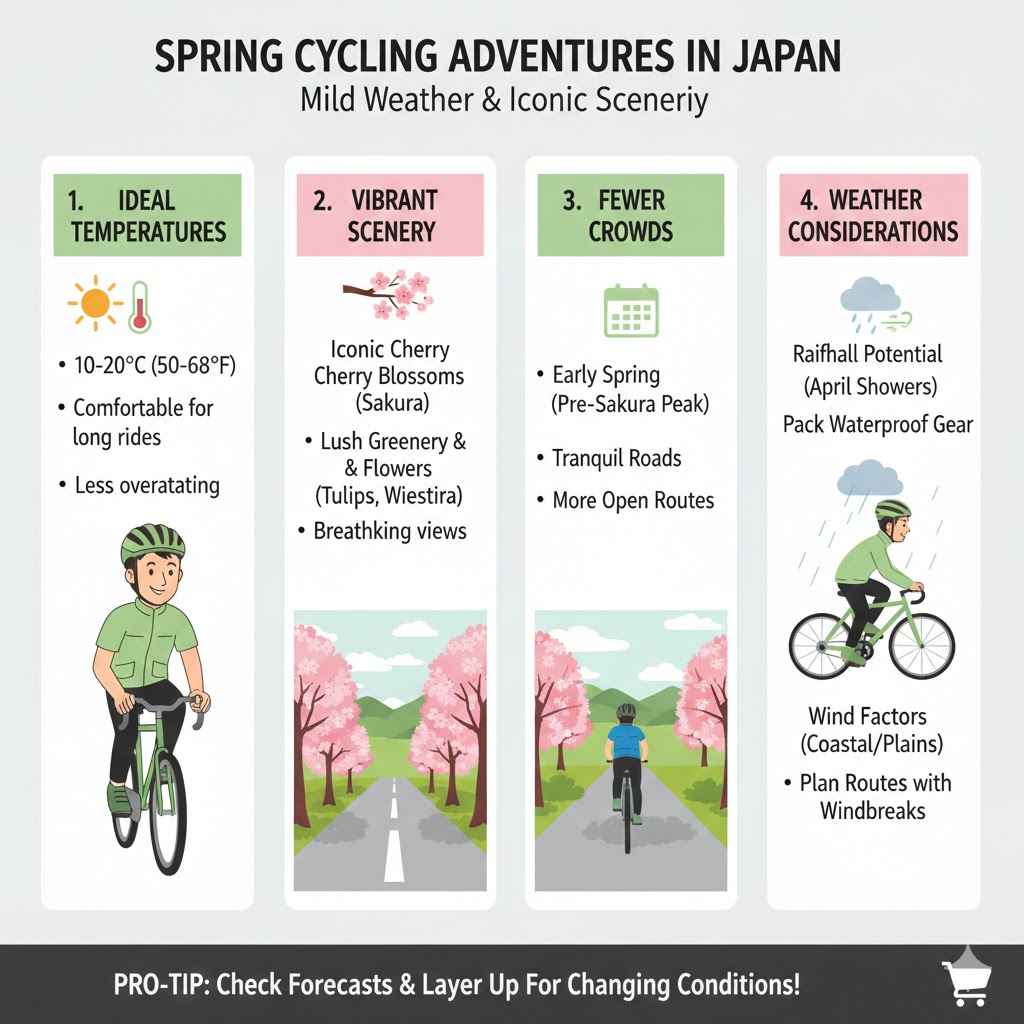
Spring is a fantastic time for cycling across Japan. The weather is usually mild and pleasant, making it perfect for long rides. You get to see beautiful cherry blossoms and enjoy comfortable temperatures before the summer heat arrives.
This season offers a gentle introduction to cycling in Japan for many people.
Cherry Blossom Season and Cycling
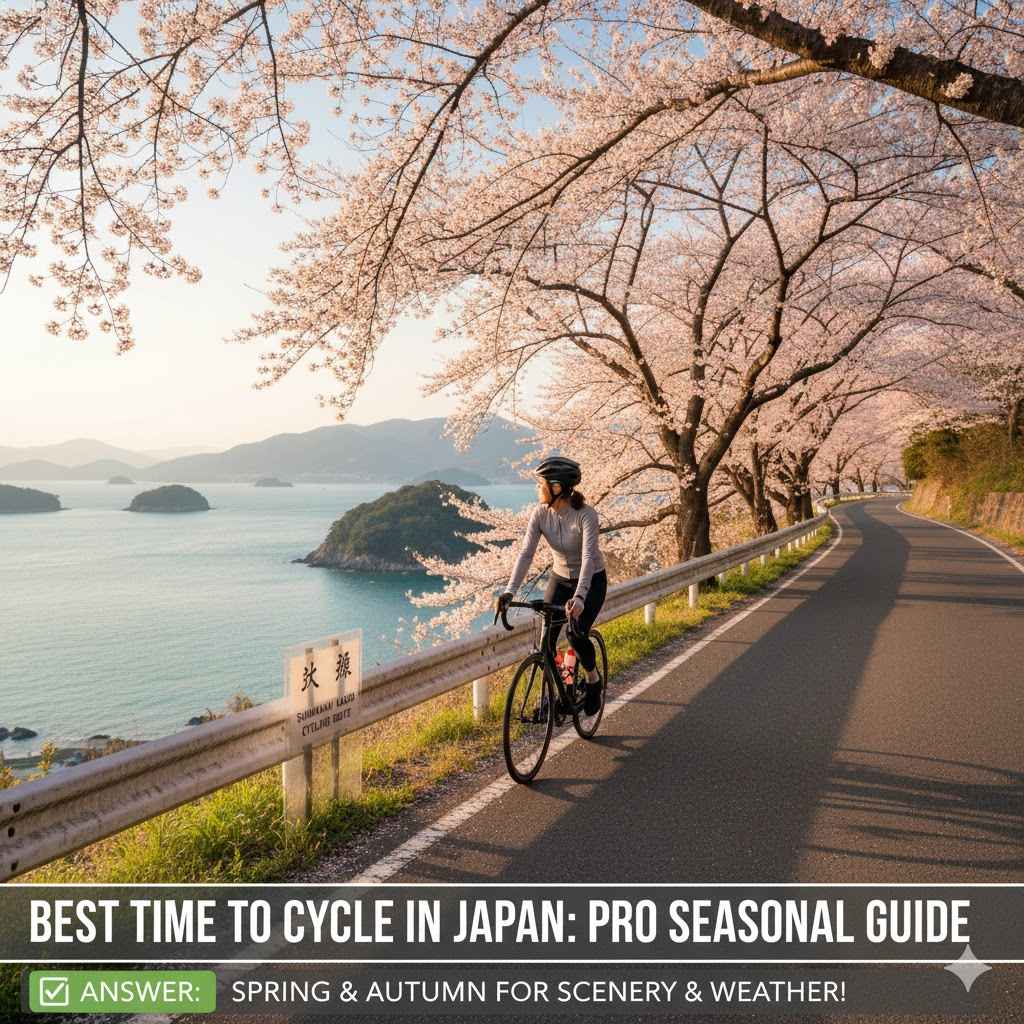
The iconic cherry blossoms, or sakura, typically bloom from late March to early April in southern Japan and move northwards. Cycling through parks and along rivers lined with these delicate pink flowers is an unforgettable experience. The air is fresh, and the scenery is breathtaking.
Many local festivals coincide with this period, offering a chance to experience Japanese culture up close while on your bike. It’s a visual feast that enhances any cycling route.
Ideal Temperatures: Spring offers average temperatures between 10°C and 20°C (50°F to 68°F). This range is excellent for physical activity like cycling, as it’s not too hot to cause overheating or too cold to be uncomfortable.
These mild conditions mean you can spend hours on your bike without feeling drained by extreme heat or chilled to the bone by cold winds. It allows for a more enjoyable and sustainable cycling pace, enabling riders to cover more ground comfortably. The gentle warmth also makes stopping for photos or short breaks a pleasure.
Vibrant Scenery: Beyond cherry blossoms, spring brings lush greenery and blooming tulips, wisteria, and other flowers.
Imagine cycling past fields of colorful flowers or through forests just starting to turn green. This visual richness adds immense beauty to your rides. Landscapes that might be stark in other seasons come alive with color and life, making every turn a picturesque moment.
It’s like riding through a living postcard, offering constant visual rewards.
Fewer Crowds (Early Spring): While cherry blossom season is popular, the very beginning of spring, before the main bloom, can be less crowded.
Visiting just before the peak sakura period allows you to enjoy the blooming trees and pleasant weather with fewer tourists around. This means more open roads and less competition for accommodations and popular cycling routes. You can soak in the tranquility of the Japanese countryside and cities more easily.
Spring Weather Considerations
While spring is generally beautiful, it can also bring unpredictable weather. Early spring might still have some chilly days, especially in mountainous regions. There’s also a chance of spring showers.
It’s wise to pack layers and be prepared for a mix of conditions.
Rainfall Potential: Spring is a transitional season, and light to moderate rain is possible, especially in April.
These showers are usually short-lived, but they can affect visibility and road conditions. Cyclists should always carry waterproof gear and check weather forecasts daily. Riding in light rain can still be enjoyable if you’re well-prepared, and it often means fewer people on the trails afterward.
Wind Factors: Spring winds can sometimes be brisk, especially in open coastal areas or across plains.
These winds can either be a welcome cool breeze or a challenging headwind. Understanding prevailing wind patterns for your chosen region can help you plan your routes to minimize the impact of strong headwinds. Planning routes that utilize natural windbreaks like forests can also be beneficial.
Summer Cycling in Japan A Tropical Tour
Cycling in Japan during the summer months, from June to August, presents a different set of experiences. While it is the hottest and most humid season, it also boasts long daylight hours and vibrant festivals. For those who can tolerate the heat, summer offers a unique chance to explore Japan’s lush landscapes and coastal areas.
Embracing the Summer Heat
Summer in Japan is characterized by high temperatures and humidity, often referred to as the rainy season, or ‘tsuyu’, which typically occurs in June and early July. After this, the heat intensifies, especially in August. Cyclists need to be well-prepared for these conditions.
Long Daylight Hours: Summer provides the longest days of the year, offering ample time for cycling from early morning until late evening.
This extended daylight allows for more flexibility in planning your rides. You can start early to beat the worst of the midday heat and still have plenty of light to continue exploring. It means you can cover longer distances or take more extensive detours without worrying about running out of daylight.
Vibrant Festivals and Events: Summer is peak festival season in Japan, with numerous local ‘matsuri’ happening across the country.
These lively events often feature parades, traditional music, dancing, and street food. Cycling to a local festival can be an incredible cultural experience. Imagine arriving by bike to a bustling town square filled with energy and local traditions.
It’s a perfect way to integrate your cycling trip with authentic Japanese culture.
Coastal and Mountain Escapes: While cities can be sweltering, coastal regions and higher altitudes in mountainous areas offer some relief from the heat.
Cycling along the coast can provide refreshing sea breezes, and venturing into the Japanese Alps or other mountainous regions can lead to significantly cooler temperatures. These areas often have stunning natural beauty and challenging but rewarding cycling routes.
Summer Challenges for Cyclists
The primary challenge of summer cycling is the heat and humidity. It can be physically demanding and increases the risk of heatstroke. Typhoons are also a possibility, especially in late summer.
Heat and Humidity: Temperatures can regularly exceed 30°C (86°F) with very high humidity.
This combination makes strenuous physical activity like cycling very taxing. It is crucial to stay hydrated by drinking plenty of water and electrolyte drinks. Taking frequent breaks in shaded areas and riding during cooler parts of the day is essential for safety and comfort.
Rainy Season (Tsuyu): June and early July often experience persistent rain.
This period can make cycling less enjoyable and roads slippery. While the rain usually isn’t constant, prolonged wet spells can disrupt travel plans. Cyclists should be prepared with waterproof gear and flexible itineraries during this time.
Typhoon Season: Late summer, particularly August and September, can see typhoons affecting Japan.
Typhoons bring strong winds and heavy rainfall, which can cause significant travel disruptions and pose safety risks. It is vital to monitor weather forecasts closely during this period and be prepared to alter plans if necessary.
Autumn Cycling in Japan A Colorful Canvas
Autumn is widely considered one of the absolute best times to cycle in Japan. From September to November, the weather turns cool and crisp, and the landscapes transform into a vibrant tapestry of red, orange, and yellow. It’s a season that offers perfect cycling conditions and stunning visual rewards.
The Beauty of Autumn Foliage
The main draw of autumn cycling is the breathtaking ‘koyo’, or autumn leaves. As temperatures drop, the leaves on deciduous trees change color, creating spectacular scenery across the country. This natural phenomenon makes every ride a visual masterpiece.
Comfortable Riding Temperatures: Autumn brings pleasant, cool temperatures, typically ranging from 15°C to 25°C (59°F to 77°F).
This is arguably the most comfortable weather for cycling. It’s warm enough to enjoy the outdoors without heavy gear but cool enough to prevent overheating during strenuous activity. The crisp air makes breathing easier and enhances the overall cycling experience.
Spectacular Autumn Colors (Koyo): The changing leaves create vibrant red, orange, and yellow hues across mountains, forests, and parks.
Cycling through areas famous for their autumn foliage, like Nikko or Kyoto’s Arashiyama, is an unparalleled experience. The combination of clear blue skies and brilliant fall colors creates postcard-perfect views at every turn. It’s a photographer’s dream and a cyclist’s delight.
Crisp Air and Clear Skies: Autumn often brings dry weather with clear, blue skies.
This offers excellent visibility for cycling and a refreshing atmosphere. The crisp air is invigorating and makes long rides feel less taxing. Clear skies also mean great opportunities for stargazing if you are cycling in rural areas in the evening.
Autumn Weather Considerations and Planning
While autumn is superb, it’s wise to be aware of potential weather shifts and plan accordingly. The season starts warm and gradually cools, especially towards late November.
Temperature Drop Towards November: Early autumn is warm, but temperatures can drop significantly by late November, especially in northern Japan and mountainous regions.
It’s important to pack appropriate clothing layers, including warmer options for evenings and cooler days as the season progresses. Checking regional forecasts is key for packing.
Potential for Rain: While generally drier than spring, autumn can still have rainy days.
These are usually less frequent and shorter than in spring or summer. Still, having a waterproof jacket is always a good idea. These rainy periods can sometimes enhance the color saturation of the leaves, offering a different kind of beauty.
Winter Cycling in Japan A Quiet Journey
Winter cycling in Japan (December to February) offers a unique and tranquil experience, largely free from crowds. While it’s cold, especially in northern and mountainous areas, it can be surprisingly pleasant in the southern parts of the country. This season is ideal for those seeking solitude and dramatic, snow-covered landscapes.
Unique Winter Experiences
Winter transforms Japan into a serene, often snow-covered wonderland. For the dedicated cyclist, this season offers a chance to see the country in a different light, focusing on quietude and stark beauty.
Fewer Tourists: Winter is the low season for tourism in many parts of Japan.
This means you’ll encounter far fewer crowds on popular cycling routes and at attractions. You can enjoy a more peaceful and authentic experience, with more space to yourself on the roads and trails. This solitude can be incredibly rewarding for those who prefer a less busy travel style.
Snow-Covered Landscapes: In regions like Hokkaido or the Japanese Alps, snow creates stunning winter scenery.
Cycling through snow-dusted forests and villages offers a unique and picturesque experience. While challenging, it provides a stark contrast to the greenery of other seasons. Special winter tires can make these rides manageable and enjoyable.
Mild Winters in Southern Japan: Areas like Kyushu and Okinawa experience much milder winters.
Temperatures in these southern regions can hover around 10-15°C (50-59°F), making cycling quite comfortable. You can enjoy outdoor activities without the intense cold found elsewhere. These regions offer a great alternative for those who want to cycle in Japan during winter but prefer warmer conditions.
Winter Challenges for Cyclists
The primary challenge of winter cycling is the cold temperature and potential for snow and ice. This requires specific gear and careful route planning.
Cold Temperatures: Temperatures can drop well below freezing, particularly in the north and at higher altitudes.
Proper insulation is key. This includes thermal base layers, windproof outer shells, insulated gloves, and warm headwear. Layering is essential, allowing you to adjust to changing conditions.
Snow and Ice on Roads: Many roads, especially in rural or mountainous areas, can be covered in snow or ice.
This significantly impacts road conditions, making cycling dangerous without appropriate equipment like studded tires. Regular road bikes are generally not suitable for these conditions. Cyclists must be prepared to adapt their routes or use alternative transportation if conditions are too hazardous.
Shorter Daylight Hours: Winter days are significantly shorter, with daylight hours lasting only about 9-10 hours.
This means cyclists need to plan their rides carefully to ensure they finish before dark. Carrying reliable lights is essential, not just for visibility to others but for your own ability to see the road. Starting rides early in the morning is highly recommended.
The Best Time to Cycle in Japan A Seasonal Comparison
When considering the best time to cycle in Japan, each season offers distinct advantages and disadvantages. Understanding these can help you pick the perfect window for your cycling adventure. Spring and autumn stand out as the most consistently favorable periods for most cyclists.
Comparing Seasonal Cycling Conditions
To help visualize the differences, here’s a look at how the seasons stack up for cycling.
| Season | Average Temperature | Pros for Cycling | Cons for Cycling | Best For |
|---|---|---|---|---|
| Spring (Mar-May) | 10-20°C (50-68°F) | Cherry blossoms, mild weather, blooming flowers, fewer crowds (early) | Unpredictable rain, spring winds | Scenery, comfortable rides, cultural events |
| Summer (Jun-Aug) | 25-35°C (77-95°F) | Long daylight, summer festivals, coastal breezes (can be limited) | Extreme heat & humidity, rainy season (June/July), typhoons (late Aug/Sep) | Festivals, long days, specific regions with cooler temps |
| Autumn (Sep-Nov) | 15-25°C (59-77°F) | Autumn leaves (koyo), crisp air, clear skies, pleasant temperatures | Cooling temperatures (late Nov), occasional rain | Spectacular scenery, comfortable cycling, photography |
| Winter (Dec-Feb) | 0-10°C (32-50°F) (South) / Below 0°C (North/Mountains) | Few tourists, snow-covered landscapes (north), mild south, solitude | Extreme cold (north/mountains), snow/ice, short daylight hours | Solitude, unique snowy scenery, southern mild regions |
Choosing Your Ideal Cycling Period
If your priority is comfortable riding temperatures and stunning natural beauty, spring and autumn are your top choices. Spring offers the magic of cherry blossoms, while autumn provides the vibrant colors of fall foliage.
For Peak Scenery and Comfort: Aim for late March to May for spring, and October to mid-November for autumn.
These periods typically offer the best combination of pleasant weather and beautiful natural displays. The mild temperatures make long cycling days enjoyable, and the visual rewards are immense. This is when Japan is often at its most picturesque.
For Cultural Immersion and Long Days: Summer can be considered if your trip centers around major festivals or if you prefer very long daylight hours and can manage the heat.
Focus on coastal or mountainous areas for some relief. The vibrant energy of summer festivals is a significant draw for many. Just be prepared for the heat and humidity.
For Solitude and Unique Landscapes: Winter cycling is for the adventurous who enjoy quiet, dramatic scenery and can handle the cold.
Southern Japan offers a more temperate winter experience. For those who want to see snow-covered Japan from a bike, it’s an option with the right preparation.
Planning Your Japanese Cycling Trip
Now that you have a good idea of the best times to visit, let’s talk about planning. A successful cycling trip in Japan involves more than just picking a date. It requires thoughtful preparation, from routes to gear.
Route Selection Based on Season
Different seasons suit different types of routes. For example, coastal routes can be windy in spring, while mountain passes might be best avoided in winter due to snow.
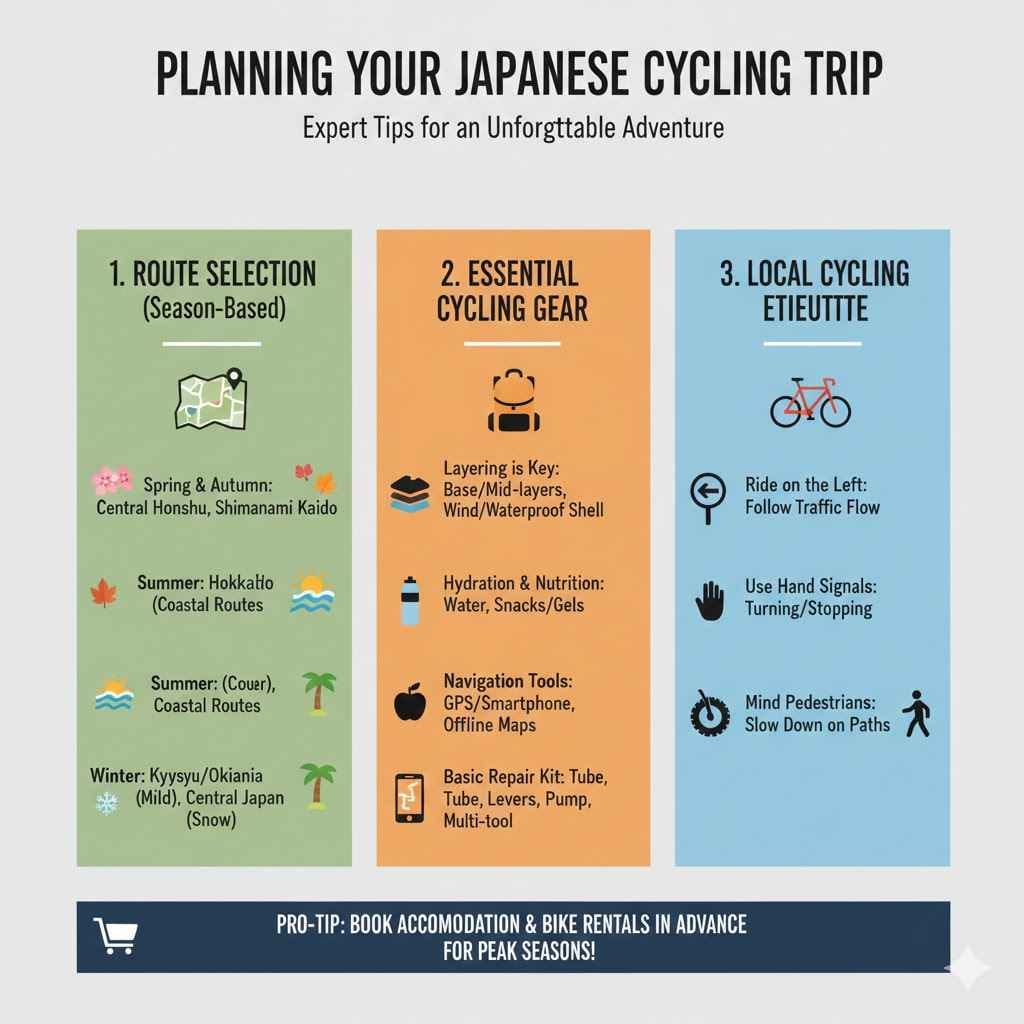
Spring and Autumn Routes: Explore central Honshu for stunning foliage and pleasant weather. The Shimanami Kaido, a famous sea-crossing cycling route, is spectacular in both spring and autumn.
These periods offer the best conditions for enjoying long-distance rides with incredible views. The routes are accessible and well-maintained, providing a memorable experience.
Summer Routes: Consider routes in Hokkaido for cooler temperatures, or explore the coasts of Japan for potential sea breezes.
These areas offer a reprieve from the intense heat found in many inland cities. Long daylight hours allow for extensive exploration.
Winter Routes: Focus on Kyushu and Okinawa for milder climates. If you’re adventurous and equipped, parts of central Japan might offer serene, snow-dusted rides.
However, caution is paramount, and checking road conditions is essential. These routes offer a different, quiet beauty.
Essential Gear for Cycling in Japan
Your gear needs will change depending on the season. Packing appropriately ensures comfort and safety.
Layering is Key: Regardless of the season, packing versatile clothing layers is crucial.
This allows you to adapt to changing weather conditions throughout the day. Think base layers, mid-layers for insulation, and a windproof/waterproof outer shell.
Hydration and Nutrition: Always carry plenty of water and snacks, especially during warmer months.
Dehydration can be a serious risk in summer. Having energy bars, fruits, or gels will keep you going.
Navigation Tools: A reliable GPS device or smartphone with cycling apps is indispensable.
Offline maps are highly recommended as mobile signal can be spotty in rural areas. Ensure your device is waterproof or protected.
Repair Kit: A basic repair kit including a spare tube, tire levers, pump, and multi-tool is essential.
Knowing how to perform basic repairs will save you from potential trouble on the road.
Understanding Local Cycling Etiquette
Being aware of local cycling etiquette will enhance your experience and ensure smooth interactions with locals and other road users.
Ride on the Left: In Japan, traffic drives on the left side of the road, and cyclists should also keep to the left.
This is a fundamental rule of the road and applies to all vehicles. Staying on the left ensures consistency and safety for everyone.
Use Hand Signals: Clearly communicate your intentions, such as turning or stopping, using standard hand signals.
This helps other road users anticipate your movements, improving safety for all. Pay attention to signals from other cyclists and drivers.
Be Mindful of Pedestrians: When cycling on shared paths or sidewalks where permitted, be courteous and slow down for pedestrians.
Respect pedestrian spaces and ensure you don’t cause them any inconvenience or danger. This promotes a harmonious environment for all path users.
Best Time to Cycle in Japan Pro Seasonal Guide Conclusion
Ultimately, the Best Time to Cycle in Japan: Pro Seasonal Guide points to spring and autumn as prime choices. These seasons offer comfortable weather and stunning scenery. Autumn provides vibrant fall colors, while spring delights with cherry blossoms.
Plan your trip based on your preferred sights and comfort levels.
Frequently Asked Questions
Question: What is the absolute best month for cycling in Japan?
Answer: While many months are great, October is often cited as the ideal month. It offers very pleasant temperatures, clear skies, and beautiful autumn foliage in many regions, making it a sweet spot for cycling.
Question: Is it too hot to cycle in Japan during the summer?
Answer: Yes, summer can be very hot and humid, especially in July and August. While it’s possible to cycle, it requires significant preparation for heat and humidity, including hydration and early morning rides.
Question: Can I cycle in Japan during the winter?
Answer: Yes, you can cycle in winter, especially in southern Japan where temperatures are mild. Northern Japan and mountainous areas will be cold with snow and ice, requiring specialized gear and caution.
Question: What are the main benefits of cycling in autumn?
Answer: The main benefits are the comfortable temperatures, crisp air, clear skies, and the spectacular autumn foliage (koyo) that paints the landscapes in vibrant colors.
Question: Are there specific cycling routes that are better in certain seasons?
Answer: Yes, for example, the Shimanami Kaido is stunning in spring and autumn. Mountainous routes are best enjoyed in spring or autumn, while summer might be better for coastal routes seeking breezes, and winter for mild southern regions.
Summary
The Best Time to Cycle in Japan: Pro Seasonal Guide confirms that spring and autumn offer the most ideal conditions for cycling. These seasons provide comfortable temperatures and breathtaking scenery, whether it’s the blooming cherry blossoms of spring or the vibrant autumn leaves. Choose your perfect season based on what you want to see and experience.