

Quick Summary: Yes, Carquest brake pads are generally considered good for everyday drivers. They offer a solid balance of reliability, decent lifespan, and affordable pricing, making them a dependable choice for routine maintenance without breaking the bank. Durability varies slightly by specific line (e.g., ceramic vs. semi-metallic).
Are Carquest Brake Pads Good? Essential Review for Everyday Drivers
Choosing new brake pads can feel like a big decision. Your brakes are the most important safety system on your car! If you’ve been looking at auto parts stores, you have likely seen the Carquest brand staring back at you. Are Carquest brake pads a smart choice for keeping your wheels stopping smoothly and safely? Many drivers wonder if they offer the same stopping power as pricey OEM parts or other big names.
Don’t worry; we are going to break down exactly what Carquest offers. I’m Dustin Hall, and I help everyday drivers like you make confident choices about their vehicles without needing a degree in mechanics. We’ll look closely at quality, performance, pricing, and longevity so you can decide without the guesswork. Let’s dive into whether Carquest is the right fit for your ride.
Understanding Brake Pad Types: Why It Matters
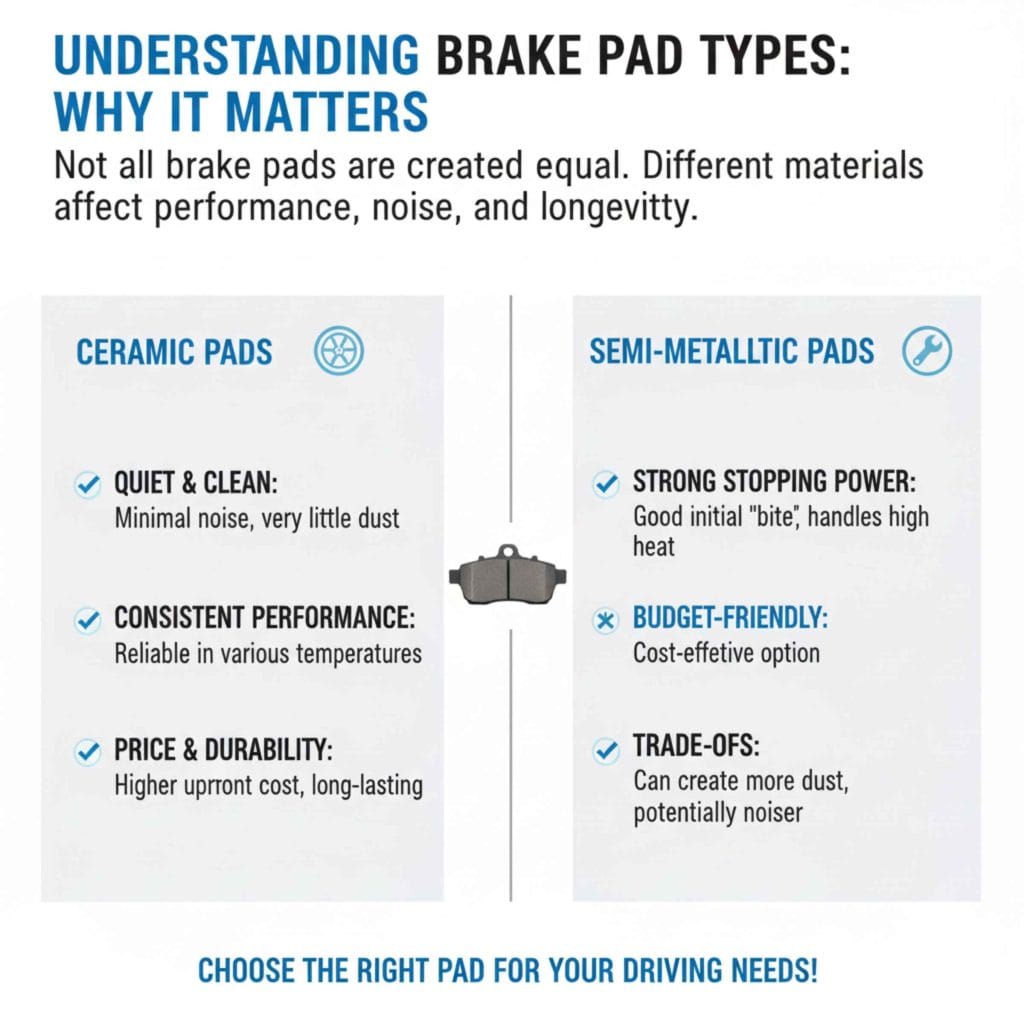
Before we talk specifically about Carquest, it helps to know what you are buying. Not all brake pads are made the same. They consist of different friction materials, which affects how they stop, how noisy they are, and how long they last.
Here are the two main types you will see offered by Carquest and other parts suppliers:
- Ceramic Pads: These are usually the quietest and cleanest option. They create very little dust, which is great for keeping your wheels looking nice. They perform consistently well across different temperatures but can sometimes cost a bit more upfront.
- Semi-Metallic Pads (or Non-Asbestos Organic – NAO): These are made up of metal fibers mixed with other materials. They tend to offer very strong initial stopping power (good “bite”), handle high heat well, and are usually very budget-friendly. The trade-off is that they can sometimes create more brake dust and might be slightly noisier than ceramic options.
The Carquest Brand: Who Makes Them?
Carquest is a large brand, well-known in North America, primarily marketed through Advance Auto Parts and Worldpac. When you buy Carquest branded parts, you are often getting components manufactured by established, reputable third-party suppliers. This means they aren’t necessarily made by the same factory that builds parts for your car’s original equipment manufacturer (OEM), but they are designed to meet or exceed certain industry standards.
The key takeaway here is that Carquest is a reliable, widely distributed aftermarket brand. They focus on offering dependable replacements for the everyday driver.
Reviewing Carquest Brake Pads: Performance and Quality
So, are Carquest brake pads good? The general consensus among repair shops and experienced DIYers is that they are a very solid choice, especially when considering value. They aren’t always the absolute best performing pads on the market, but they are excellent value performers.
Stopping Power (Biting Power)
Carquest pads generally provide sufficient stopping power for normal driving conditions—city errands, highway cruising, and daily commuting. For most standard passenger cars, SUVs, and light trucks, their performance meets expected safety benchmarks. If you frequently drive aggressively, tow very heavy loads, or take your vehicle onto a racetrack, you might want to look toward premium performance lines, but for the average driver, Carquest stops you reliably.
Noise and Dust Levels
This significantly depends on the specific line you choose:
- Ceramic Lines: These are engineered for low dust and quiet operation, making them feel very similar to standard OEM replacements in terms of comfort.
- Semi-Metallic Lines: Expect slightly more brake dust settling on your wheels. While usually quiet, they might occasionally squeak under specific low-speed braking conditions, which is common for this material type.
Durability and Lifespan
Longevity is critical because nobody wants to replace pads every year. Carquest pads generally offer a very competitive lifespan for their price point. They are matched to last a reasonable period under normal driving routines.
When paired with quality Carquest rotors, users often report mileage that aligns well with factory expectations, usually falling into the mid-range when compared across the entire market. They are not designed to last 80,000 miles, but they should comfortably see you through years of regular use.
The Carquest Brake Pad Product Lines
Carquest doesn’t just sell one type of pad. They usually offer several tiers to fit different budgets and needs. Understanding these tiers helps you pick the right option for your driving style.
Here is a simplified look at typical tiers you might encounter (note: specific names can change based on region or store setup):
| Product Line Name (Common Example) | Material Type | Best For | Key Feature |
|---|---|---|---|
| Carquest Value/Standard | NAO or Basic Semi-Metallic | Budget-conscious repairs, low-mileage cars. | Affordability and basic safety requirements. |
| Carquest Premium (Often Ceramic) | Ceramic | Daily drivers seeking quiet, clean stops. | Excellent noise reduction and minimal dust. |
| Carquest Platinum/Advanced | Premium Semi-Metallic or Advanced Ceramic | Heavy use, towing, performance-oriented daily driving. | Higher heat resistance and more consistent performance. |
If you are unsure which line to choose, the “Premium” line is often the safest bet, as it balances cost and comfort perfectly for the majority of drivers.
Carquest vs. The Competition: A Value Comparison
When deciding on brakes, you always compare Carquest against the big names. Here is how they stack up generally:
- Vs. Original Equipment (OEM): OEM pads are custom-engineered for your exact vehicle. Carquest pads are excellent replacements, usually costing less, but they might not exactly match the feel of the original pads.
- Vs. Premium Brands (e.g., Akebono, Hawk): Premium brands focus on extreme performance, heavy noise reduction, or exceptionally long life. These often cost significantly more. Carquest usually lands just under these top performers in terms of specs but well under them in price.
- Vs. Store-Brand Value Lines: Carquest often competes aggressively against the absolute cheapest house brands. In this comparison, Carquest usually wins on consistency and quality control, meaning you are less likely to have premature wear or noise issues.
For everyday reliability and smart spending, Carquest offers a fantastic middle ground. You are investing in proven aftermarket technology without paying the premium associated with motorsport-level brands.
Installation Confidence: Things to Watch Out For
One element that makes a good brake pad a great purchase is ease of installation. If you are tackling this job yourself, Carquest pads usually come ready to go.
What to Expect in the Box:
- The brake pads themselves.
- Shims pre-installed or included (these thin metal layers reduce vibration and noise).
- Sometimes, basic hardware clips, though it’s always smart to inspect your existing hardware or purchase a hardware kit if your existing clips look rusty or bent.
Safety Note: Whenever you replace brake pads, always check the condition of your brake rotors. New pads on worn rotors will ensure poor performance. You can check rotor thickness using a specialized tool, or many auto parts stores, including those featuring Carquest, can measure them for you. For rotor replacement guidance, you can check resources from organizations like the National Highway Traffic Safety Administration (NHTSA) regarding safe vehicle maintenance practices. The NHTSA website offers general safety guidelines for vehicle upkeep.
Brake Bedding Procedure (Crucial Step!)
No matter which pads you use, you must “bed” them in for optimal performance. This process transfers a thin layer of pad material onto the rotor surface. Carquest pads respond very well to proper bedding.
A simple bedding procedure looks like this:
- Drive at about 35 mph and apply the brakes moderately until you slow to about 10 mph. Do this 6-8 times.
- Let the brakes cool down completely (drive for 5–10 minutes without braking hard).
- Repeat the process, this time coming down from around 50 mph, applying slightly firmer pressure this time.
- Avoid coming to a complete stop during the bedding process for the first few cycles.
When Carquest Pads Might Not Be Your Best Choice
While Carquest is generally good, it is important to know when you should upgrade. They might not be the best fit if:
- Heavy Towing or Commercial Use: If your vehicle regularly carries maximum loads, the extra heat generated requires pads specifically rated for extreme duty, often found in higher-tier performance lines.
- High-Altitude Driving with Steep Descents: Constant, long downhill braking generates immense, sustained heat. Standard pads can suffer from “brake fade” under these conditions.
- Zero Tolerance for Brake Dust: If you absolutely must have perfectly clean, polished wheels 24/7, the absolute best ultra-low-dust ceramic options from specialized brands might be worth the extra cost over Carquest’s standard ceramic offerings.
For the vast majority of drivers—those commuting, running errands, and driving safely on the highway—Carquest provides excellent peace of mind without requiring you to spend extra money on features you won’t use.
Cost Considerations: Are Carquest Pads Affordable?
One of the biggest selling points for Carquest is its price accessibility. They hit a sweet spot where affordability meets acceptable quality.
For a typical set of front brake pads, Carquest pricing usually falls in the mid-range:
- Value/Standard Line: Very budget-friendly, often the lowest price point that guarantees a decent lifespan.
- Premium/Ceramic Line: Moderately priced—a slight step up in cost compared to house brands, but often worth the few dollars more for enhanced comfort and cleanliness.
When you factor in lifetime cost (how long they last divided by the purchase price), Carquest often emerges as a winner in the value category against both the cheapest generic options and the most expensive specialty brands.
Long-Term Reliability and Warranty
A strong warranty shows that the manufacturer stands behind its product. Reputable aftermarket brands like Carquest typically offer a reasonable warranty against defects in materials or workmanship.
Most Carquest brake pad lines come with a limited warranty, often covering material defects for a specific period (e.g., 12 months/unlimited mileage, or coverage related to manufacturing issues). Always check the specific warranty listed on the box when purchasing, as guarantees can vary slightly between the value and premium lines. Having a large network like Advance Auto Parts backing the warranty also makes filing a claim much simpler if something goes wrong prematurely.

Frequently Asked Questions (FAQ) About Carquest Brakes
What brake material does Carquest usually recommend for quiet city driving?
For the quietest experience in city driving, you should look for Carquest’s Ceramic brake pad line. They are specifically designed to minimize noise and reduce the fine dust that coats your wheels.
Do Carquest brake pads require a break-in period?
Yes, all new brake components require a bedding-in or break-in period. This ensures the pad material transfers evenly onto the rotor surface. Follow the simple 10-step procedure mentioned earlier for best results.
Are Carquest pads safe for heavy trucks or SUVs?
Carquest offers different lines for heavier vehicles. While their standard pads work fine for light-duty SUVs, if you frequently tow near your vehicle’s maximum weight rating, you should opt for their higher-end, heavy-duty or metallic options that can handle increased heat loads better.
How does the dust created by Carquest pads compare to cheaper brands?
Generally, Carquest pads create less dust than the absolute cheapest, purely organic or economy metallic pads available. Their Premium and Ceramic lines are formulated to be competitive with mid-grade national brands in terms of dust output.
Should I always replace rotors when installing new Carquest pads?
It is highly recommended to replace or machine (resurface) your rotors when installing a new set of pads. New pads need a flat, smooth surface to work correctly. Installing new pads on severely worn rotors reduces stopping power immediately and shortens the life of your new pads.
Where can I find trustworthy information on proper brake installation?
Reliable resources for DIY auto repair, including installation guides for brake systems, are often found through manufacturer service manuals or reputable online technical resources like those maintained by automotive training institutions. Always consult your vehicle’s specific repair manual.
Conclusion: Making the Confident Choice with Carquest
Deciding on brake pads no longer needs to be overwhelming. After reviewing the options, we can confidently say that Carquest brake pads are absolutely good, especially when measured against their excellent value proposition.
For the average driver needing dependable stopping power, low noise, and a lifespan that matches your daily driving needs without draining your wallet, Carquest hits the mark perfectly. They provide high-quality, tested components available widely, allowing you to perform essential maintenance with confidence.
If you prioritize budget safety and reliability above extreme performance metrics, choosing the Carquest Premium line will give you a quiet, consistent, and safe braking experience for thousands of miles to come. Now that you have the facts, tackling that brake job feels much easier, doesn’t it? Drive safely and enjoy the confidence that comes with smart auto maintenance!