
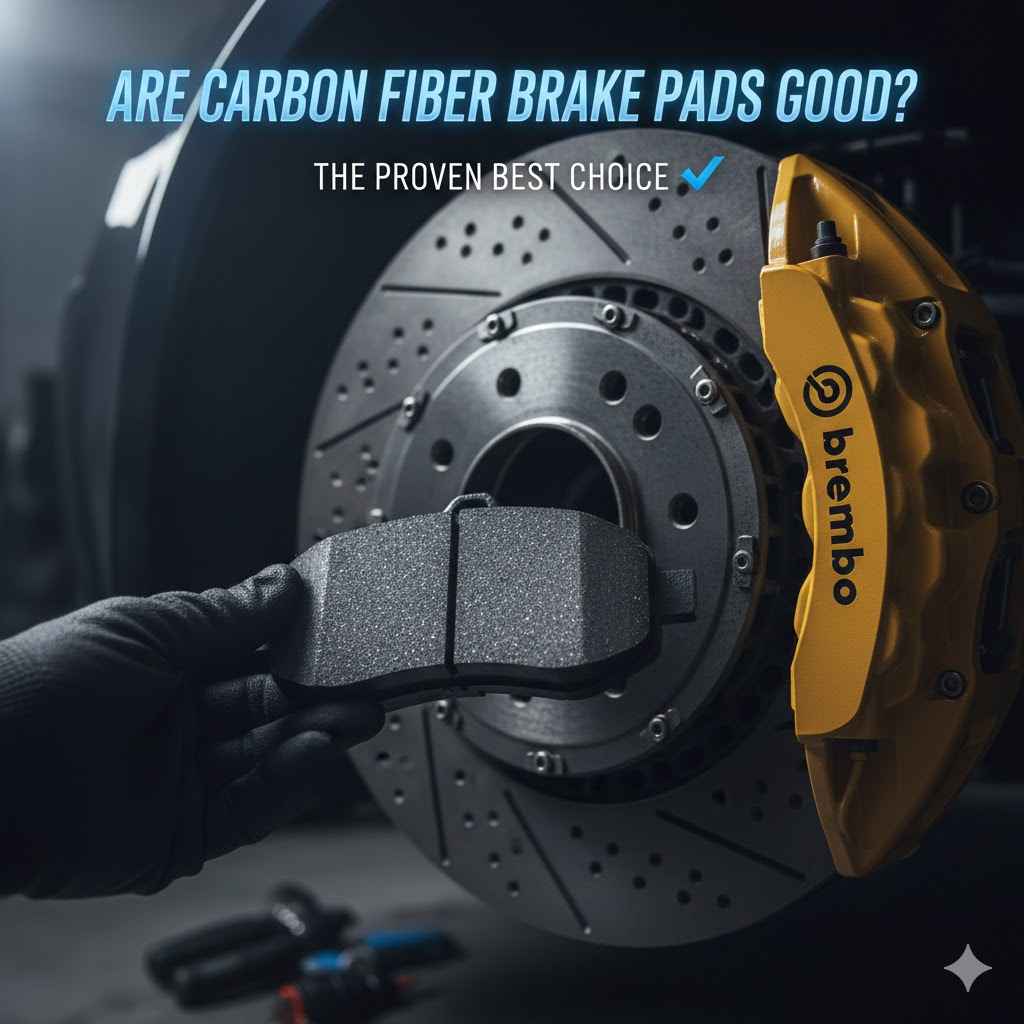
Yes, carbon fiber brake pads are an excellent choice for most drivers. They offer superior stopping power, quiet operation, and very low brake dust compared to standard pads. While they cost more upfront, their longer lifespan and performance make them a proven, high-value upgrade for daily driving and spirited performance.
Hey there, it’s Dustin. Let’s talk about something crucial for your car: the brakes. When you press that pedal, you expect your car to stop safely, every single time. But when it’s time to replace your brake pads, the options can feel overwhelming. You hear terms like “ceramic,” “semi-metallic,” and the one we’re tackling today: “carbon fiber.”
You might wonder, “Are carbon fiber brake pads really better? Are they worth the extra money?” It’s a common and very smart question to ask. Making the right choice means better safety, a cleaner car, and peace of mind on the road. Don’t worry, I’m here to clear up the confusion. We’ll break it all down in simple terms, so you can feel confident you’re making the best decision for your car and your wallet.
What Exactly Are Carbon Fiber Brake Pads?
Let’s start with the basics, without any confusing mechanic-speak. Imagine your brake pads are like the sole of a shoe pressing against a spinning disc (your rotor) to stop it. The material on that shoe sole is what matters most.
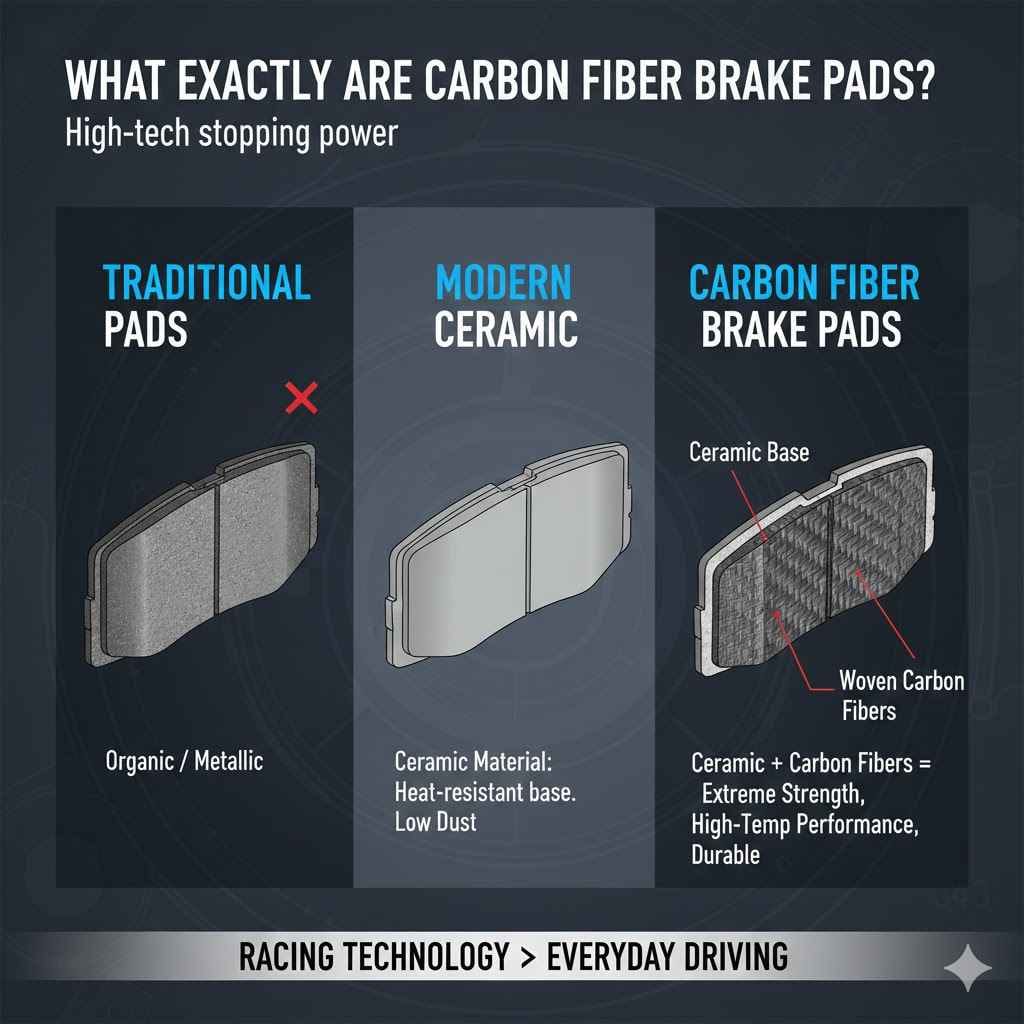
Traditionally, brake pads were made from materials like asbestos (long gone, for good reason!), organic fibers, or bits of metal. Carbon fiber brake pads are a more modern, high-tech option. They are a type of ceramic brake pad, but with a special ingredient: carbon fibers.
Think of it like this:
- Ceramic Material: This provides a strong, heat-resistant base. It’s great for quiet braking and low dust.
- Carbon Fibers: These tiny, incredibly strong fibers are woven into the ceramic material. They add immense strength and help the pad handle very high temperatures without losing its grip.
This combination creates a brake pad that is strong, durable, quiet, and fantastic at stopping your car, especially when things get hot. It’s technology that started in racing and has now become affordable and practical for everyday drivers like us.
The Big Three: Carbon Fiber vs. Ceramic vs. Semi-Metallic
To really understand if carbon fiber pads are right for you, it helps to see how they stack up against the other two most common types: standard ceramic and semi-metallic. Each has its own strengths and weaknesses.
Let’s put them side-by-side in a simple chart.
| Feature | Carbon Fiber-Ceramic | Standard Ceramic | Semi-Metallic |
|---|---|---|---|
| Stopping Power | Excellent, especially when hot. Very consistent. | Good, very reliable for daily driving. | Excellent, especially when cold. Great initial “bite.” |
| Noise Level | Very Quiet. Virtually silent operation. | Very Quiet. The quietest option on average. | Can be noisy. More likely to squeal. |
| Brake Dust | Very Low. Keeps wheels much cleaner. | Low. Produces a light, fine dust. | High. Produces a heavy, dark, sticky dust. |
| Lifespan | Excellent. Often lasts the longest. | Good. Longer life than semi-metallic. | Fair to Good. Wears faster than ceramics. |
| Rotor Wear | Gentle on rotors. | Very gentle on rotors. | Harsh. Can wear rotors down more quickly. |
| Price | Premium. Higher initial cost. | Moderate. More than semi-metallic. | Low. The most budget-friendly option. |
| Best For | Daily driving, performance, towing, and anyone who hates brake dust. | The average commuter who values a quiet, clean ride. | Heavy-duty trucks or drivers who need extreme stopping power and don’t mind noise or dust. |
As you can see, carbon fiber-ceramic pads take the best qualities of ceramic pads (quiet, low dust) and boost the performance and durability. They are the all-around champion for most driving situations.
When Are Carbon Fiber Brake Pads the Right Choice for You?
So, how do you know if you should make the switch? It really comes down to what you value most in your driving experience. Here are a few scenarios where carbon fiber brake pads are the clear winner.
You Are a Daily Commuter Who Hates Dirty Wheels
If you’re tired of your shiny wheels being covered in black, grimy brake dust just a few days after a car wash, carbon fiber pads are your new best friend. The low-dust formula keeps your wheels looking clean for much, much longer. Plus, their quiet operation makes your daily drive more peaceful.
You Drive a Heavier Vehicle like an SUV or Truck
Heavier vehicles demand more from their brakes. All that extra weight generates a lot of heat when you stop. Carbon fiber pads excel at managing this heat. They resist “brake fade”—that scary feeling where the pedal gets soft and the brakes stop working well after repeated hard stops (like going down a long hill). This makes them a fantastic safety upgrade for SUVs and light trucks. The National Highway Traffic Safety Administration (NHTSA) emphasizes that effective, reliable brakes are a cornerstone of vehicle safety.
You Enjoy Spirited Driving or Have a Performance Car
If you like to take on curvy roads or have a car with a little extra horsepower, you need brakes that can keep up. Carbon fiber pads provide the strong, consistent stopping power you need to brake later and with more confidence. They won’t let you down when you need them most, providing reliable performance stop after stop.
You Tow a Trailer or Haul Heavy Loads
Just like with heavy vehicles, towing adds a tremendous amount of stress and heat to your braking system. This is where carbon fiber pads truly shine. Their ability to handle high temperatures without losing effectiveness is a massive safety advantage, giving you the confidence you need when hauling precious cargo.
The Pros: Why You’ll Love Carbon Fiber Brake Pads
Let’s break down the advantages into a simple list. These are the key benefits that make carbon fiber pads a top-tier choice.
- Superior Stopping Power: They provide a strong, confident bite. You’ll feel the difference, especially in panic stops or when braking from high speeds.
- Extremely Quiet Operation: The materials used are designed to reduce vibrations and harmonics that cause brake squeal. The result is a smooth, silent stop.
- Amazingly Low Brake Dust: This is a huge quality-of-life improvement. Say goodbye to constantly scrubbing your wheels. The dust they do create is lighter in color and doesn’t stick.
- Excellent Heat Resistance: They perform reliably even under heavy use, like driving in the mountains or towing. This resistance to brake fade is a critical safety feature.
- Longer Lifespan: Because they are so durable and wear-resistant, carbon fiber brake pads often last significantly longer than their semi-metallic or organic counterparts, which can help offset their higher initial cost.
- Gentle on Rotors: Unlike aggressive semi-metallic pads that can chew up your brake rotors, carbon fiber pads are much less abrasive, helping your rotors last longer too.
The Cons: What to Consider Before You Buy
No product is perfect, and it’s important to be aware of the potential downsides. Thankfully, with carbon fiber pads, the list is short.
- Higher Initial Cost: This is the main hurdle for most people. Carbon fiber brake pads cost more than other types. However, when you factor in their longer life and the extended life of your rotors, the total cost over time is often very competitive.
- “Bedding-In” Period: To get the best performance, most carbon fiber pads require a “bedding-in” or “break-in” process. This involves a series of controlled stops to properly mate the pad material to the rotor surface. It’s an easy but important step that some people might overlook. We’ll cover how to do it below.
How to Choose the Right Carbon Fiber Brake Pads
Ready to make the upgrade? Great! Here’s a simple checklist to make sure you get the right set for your car.
- Confirm Your Vehicle’s Fitment: This is the most important step! Use an online parts lookup tool (on sites like AutoZone, Advance Auto Parts, or RockAuto) and enter your car’s year, make, and model. The system will show you exactly which pads fit your vehicle. Brakes are not a one-size-fits-all part.
- Read Reviews from Other Owners: See what other people with your same car are saying. Did they find the pads quiet? Did they notice a big improvement in stopping power and dust? Real-world reviews can be incredibly helpful.
- Choose a Reputable Brand: When it comes to brakes, brand names matter. Look for well-known manufacturers like Power Stop, Akebono, Brembo, or EBC. These companies have a long history of quality and safety. Avoid generic, no-name brands to ensure you’re getting a safe, reliable product.
- Match the Pad to Your Driving Style: Most brands offer different “levels” of carbon fiber pads. A “Street Performance” or “Daily Driver” pad is perfect for most people. You don’t need a “Track” or “Race” pad for your daily commute—they can be noisy and less effective when cold. Stick to the pads designed for street use.
A Quick Guide to “Bedding-In” Your New Pads
Don’t be intimidated by the term “bedding-in.” It sounds technical, but it’s really simple. The goal is to transfer a thin, even layer of the brake pad material onto the face of the brake rotor. This ensures smooth, powerful, and quiet braking for the life of the pads.
Always follow the specific instructions that come with your new brake pads, but here is the general process:
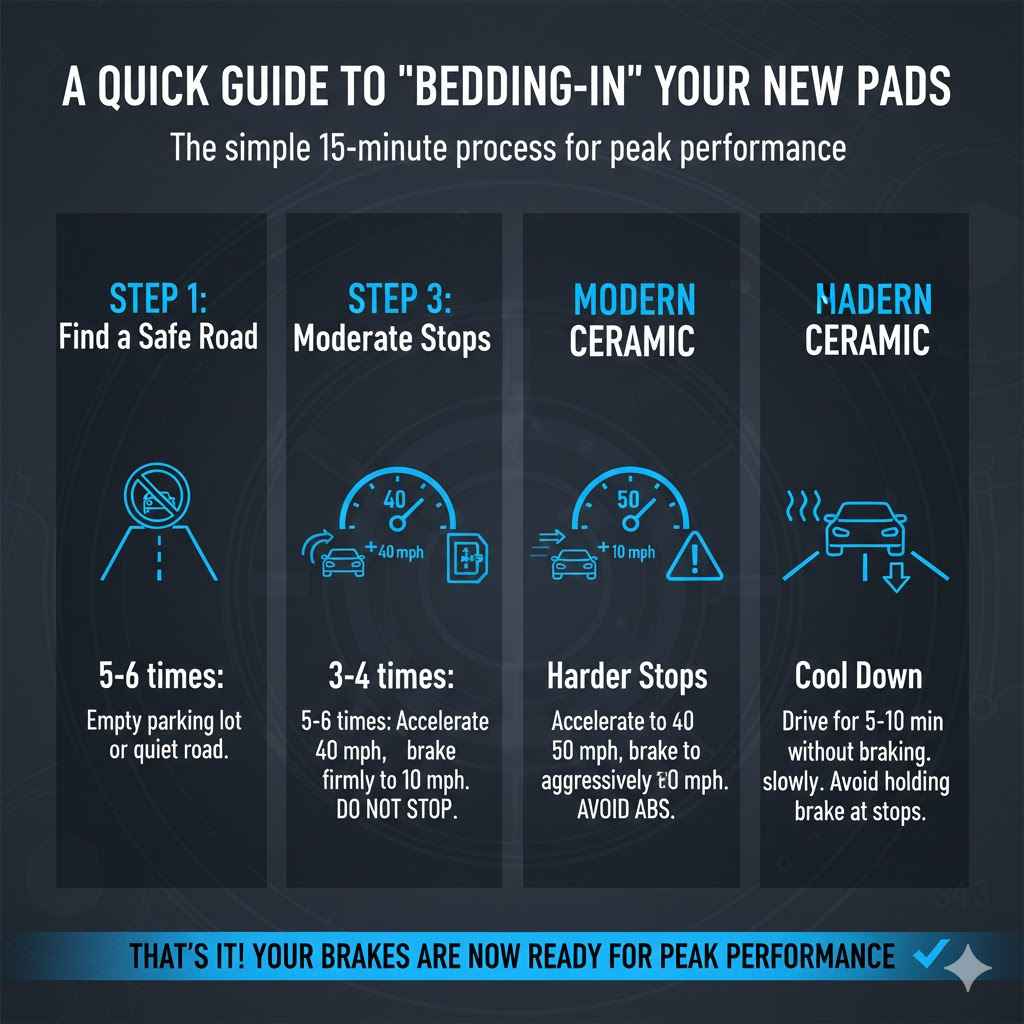
- Find a Safe, Empty Road: You’ll need a stretch of road where you can safely perform several stops without bothering other drivers. An empty parking lot or a quiet back road is perfect.
- Perform 5-6 Moderate Stops: Accelerate to about 40 mph and then apply the brakes firmly—not a panic stop, but a strong, deliberate stop—to slow down to 10 mph. Do not come to a complete stop. Repeat this 5-6 times to start warming up the brakes.
- Perform 3-4 Harder Stops: Now, accelerate to about 50 mph and brake much more aggressively, slowing down to about 10 mph. Again, do not come to a complete stop or engage the ABS. The goal is to generate significant heat.
- Cool Them Down: After the last hard stop, drive for 5-10 minutes without using the brakes much, if at all. This allows the pads and rotors to cool down slowly and evenly, which sets the material layer. Try not to sit with your foot on the brake pedal at a stoplight, as this can create an uneven deposit.
That’s it! Your brakes are now bedded-in and ready to deliver peak performance. This simple 15-minute process makes a huge difference.
Frequently Asked Questions (FAQ)
Are carbon fiber brake pads noisy?
No, quite the opposite! Carbon fiber-ceramic brake pads are engineered to be one of the quietest options available. Their material composition helps dampen vibrations that cause squealing, resulting in a virtually silent stop.
Do carbon fiber brake pads produce a lot of dust?
This is one of their biggest advantages. Carbon fiber pads produce very little dust. The small amount they do create is a light gray color and doesn’t stick to wheels like the black, greasy dust from semi-metallic pads. Your wheels will stay much cleaner.
How long do carbon fiber brake pads last?
They generally have a very long lifespan, often lasting anywhere from 50,000 to 70,000 miles or even more, depending on your driving habits. Their durable compound wears down very slowly, making them a great long-term value.
Are carbon fiber pads worth the extra money?
For most drivers, yes. While the upfront cost is higher, you’re paying for significant benefits: superior safety, a quieter ride, cleaner wheels, and a longer service life for both your pads and rotors. Over time, the value often outweighs the initial cost.
Can I use carbon fiber brake pads with my original rotors?
Yes, absolutely. You can install carbon fiber pads on your existing rotors, as long as the rotors are in good condition (i.e., not warped, cracked, or worn below the minimum thickness). For the best performance, it’s always recommended to install new pads with new or freshly resurfaced rotors.
What does “brake fade” mean?
Brake fade is a temporary loss of braking power that happens when your brakes get too hot from repeated, heavy use. The brake pedal might feel spongy or you have to push it much harder to get the car to stop. Carbon fiber pads are excellent at resisting brake fade due to their superior heat management.
Do I need special tools to install new brake pads?
For a basic brake pad replacement, you’ll need standard hand tools like a socket set, a wrench, a C-clamp or brake piston tool to compress the caliper piston, and a jack and jack stands for safety. The job is very achievable for a beginner DIYer, but if you’re not comfortable, it’s always best to have a professional mechanic do the work. Your safety is what’s most important. You can learn more about brake system components from educational resources like the HowStuffWorks guide to brake pads.
The Final Verdict: A Clear Winner for Modern Driving
So, are carbon fiber brake pads good? The answer is a resounding yes. They are more than just “good”—they are the proven best choice for the vast majority of drivers on the road today.
They solve the most common complaints people have with their brakes: they eliminate embarrassing squealing, they keep your wheels looking fantastic, and most importantly, they provide powerful, reliable stopping power you can count on. Whether you’re navigating city traffic, hauling your family in an SUV, or just enjoying a quiet cruise, they deliver a premium experience.
While the initial price tag is a bit higher, think of it as an investment in safety, comfort, and convenience. By choosing carbon fiber brake pads, you’re not just replacing a part; you’re making a smart upgrade that you will appreciate every single time you press the brake pedal.