The Ford Car That Looks Like an El Camino Explained
Barrett-Jackson. Additionally, restomod versions—those upgraded with modern engines, suspension, and amenities—often fetch premium prices due to their unique appeal and enhanced drivability. The collector market has seen steady growth, with values rising as these vehicles gain recognition among classic car aficionados.
Are Parts And Support Available For Ranchero Restorations?
Yes, parts availability for Ranchero restorations is generally good, especially for mechanical components shared with more common Ford models like the Falcon, Fairlane, Torino, and LTD II. Major suppliers such as MAC’s Auto Parts, Dennis Carpenter, and Auto Krafters stock reproduction body panels, emblems, interior pieces, and trim. Enthusiast forums and clubs also offer valuable technical support, advice, and access to rare NOS (new old stock) parts.
How Does The Ranchero Compare To The El Camino In Terms Of Driving Experience?
Both vehicles deliver a car-like ride, but the Ranchero is often praised for its slightly softer suspension setup and the ergonomics of its Ford-based interior. Owners note that the Ranchero tends to feel more refined in city driving, while the El Camino’s Chevelle and Malibu platforms give it a sportier edge in some later models.
Ultimately, driving experience depends on the generation, trim, and specific configuration, but both vehicles are renowned for their unique blend of comfort and utility.
What Are The Most Desirable Ranchero Models For Collectors?
Desirable Ranchero models include:
- 1957–1959 original first-generation: Early examples are valued for their pioneering status and classic styling.
- 1968–1971 GT trims: These muscle-era Rancheros feature powerful V8s and sporty graphics, making them favorites among performance enthusiasts.
- Squire Editions (1973–1979): Woodgrain trim and luxury features make these stand out, especially when paired with rare factory options.
- Final-year 1979 GT: With limited production and upscale appointments, these are increasingly sought after for their rarity.
Low-mileage, original, or well-restored examples command the highest prices, especially those with factory performance options.
Can You Daily Drive A Ranchero Today?
Absolutely, many owners use their Rancheros as daily drivers, especially those equipped with modern upgrades or maintained in good mechanical condition. The car-based chassis offers a comfortable ride, and the bed provides practical utility for light hauling. However, as with any classic vehicle, regular maintenance, attention to rust and electrical issues, and proper insurance are important.
Urban drivers may appreciate the Ranchero’s manageable size, while rural owners benefit from its versatility.
Are There Modern Vehicles Inspired By The Ranchero Concept?
Yes, modern vehicles like the Ford Maverick and Hyundai Santa Cruz reflect the Ranchero’s car-truck hybrid formula, offering unibody construction, car-like driving dynamics, and practical pickup beds. These models are well-suited for buyers seeking efficiency, comfort, and utility in a single package, much like the Ranchero did decades ago. While the Maverick is not a direct successor, its popularity shows that the market still values versatile vehicles that blur the line between cars and trucks.
The Ranchero’s Enduring Legacy
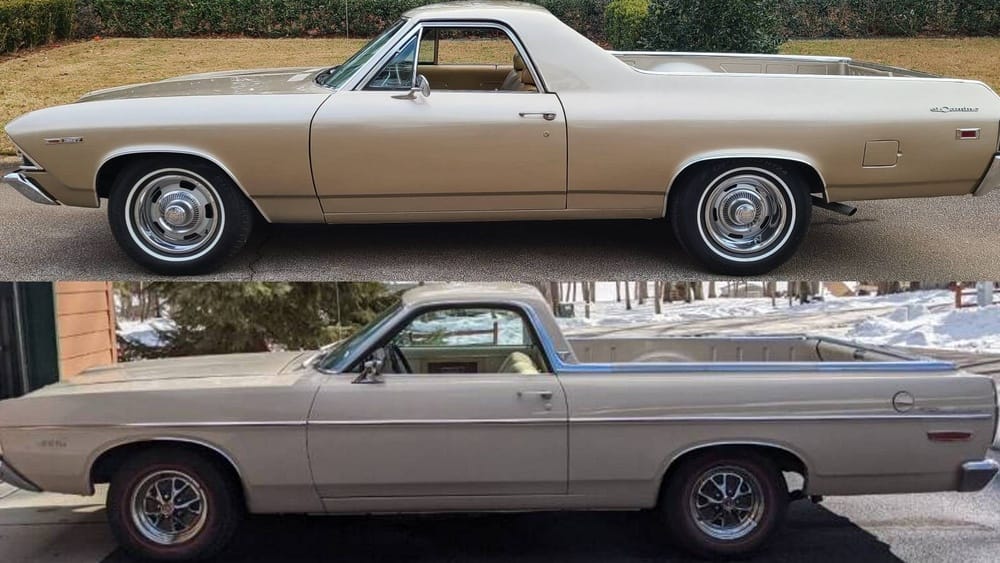
The Ford Ranchero’s legacy is more than just its role as a competitor to the Chevrolet El Camino—it is a testament to American innovation, adaptability, and the blending of form and function. By pioneering the car-truck hybrid segment, Ford unlocked new possibilities for drivers who wanted the practicality of a pickup without sacrificing ride comfort or style.
The Ranchero’s story spans seven generations, each reflecting the evolving tastes and needs of American consumers. From its trailblazing debut in the late 1950s to its muscle car era, luxury-focused iterations, and eventual discontinuation, the Ranchero adapted and influenced the automotive landscape.
Its impact is seen today in the resurgence of unibody pickups and crossover utility vehicles, proving that the original concept was ahead of its time.
Collectors, restorers, and customizers continue to celebrate the Ranchero, ensuring its place in automotive history. Its presence in pop culture, enthusiast communities, and auction circuits reaffirms its status as an icon. As the collector market grows, and as modern vehicles echo its design philosophy, the Ranchero’s spirit lives on—reminding us that innovation often comes from daring to bridge worlds.
Whether you’re a collector, a restorer, or simply an admirer of classic American automotive ingenuity, the Ford Ranchero stands as a symbol of creativity, versatility, and enduring appeal. Its unique blend of car comfort and truck utility remains relevant, inspiring a new generation to appreciate—and perhaps reinvent—the car that looks like an El Camino but is undeniably Ford.